
The global real estate market is currently standing at a precarious crossroads, sparking a heated debate among economists, policymakers, and urban planners. For several years, a combination of historically low interest rates and a chronic undersupply of housing fueled a rapid ascent in property valuations. However, as we move through the first half of 2026, the narrative is shifting. A growing chorus of analysts now suggests that the era of unchecked growth has ended, with some predicting a significant nationwide decline in home prices across several major economies.
This potential shift represents more than just a change in market direction; it is a fundamental reconfiguration of the relationship between buyers and sellers. After years of a “seller’s market,” where bidding wars and waived inspections were the norm, the pendulum is beginning to swing. The prospect of a price correction—or, as some more alarmist voices suggest, a “crash”—is creating a climate of hesitation. Buyers are waiting for the bottom, while sellers are clinging to peak-market valuations, leading to a stagnation in transaction volumes.
As a financial journalist who has tracked global markets for nearly two decades, I have seen this pattern before. The tension between affordability and valuation is a classic economic pressure cooker. When the cost of borrowing rises while incomes remain stagnant, the pool of eligible buyers shrinks. In the current environment, we are seeing the intersection of high mortgage rates, stringent lending criteria, and a psychological shift in consumer confidence that could precipitate a broader downturn in residential property values.
Understanding whether we are facing a mild correction or a systemic collapse requires a dive into the macroeconomic drivers currently at play. From the aggressive monetary tightening of central banks to the structural failures in housing construction, the factors influencing the 2026 market are complex and interconnected. For the global citizen, the answer to whether now is the time to buy or sell depends entirely on a nuanced understanding of these forces.
The Great Debate: Market Correction vs. Systemic Crash
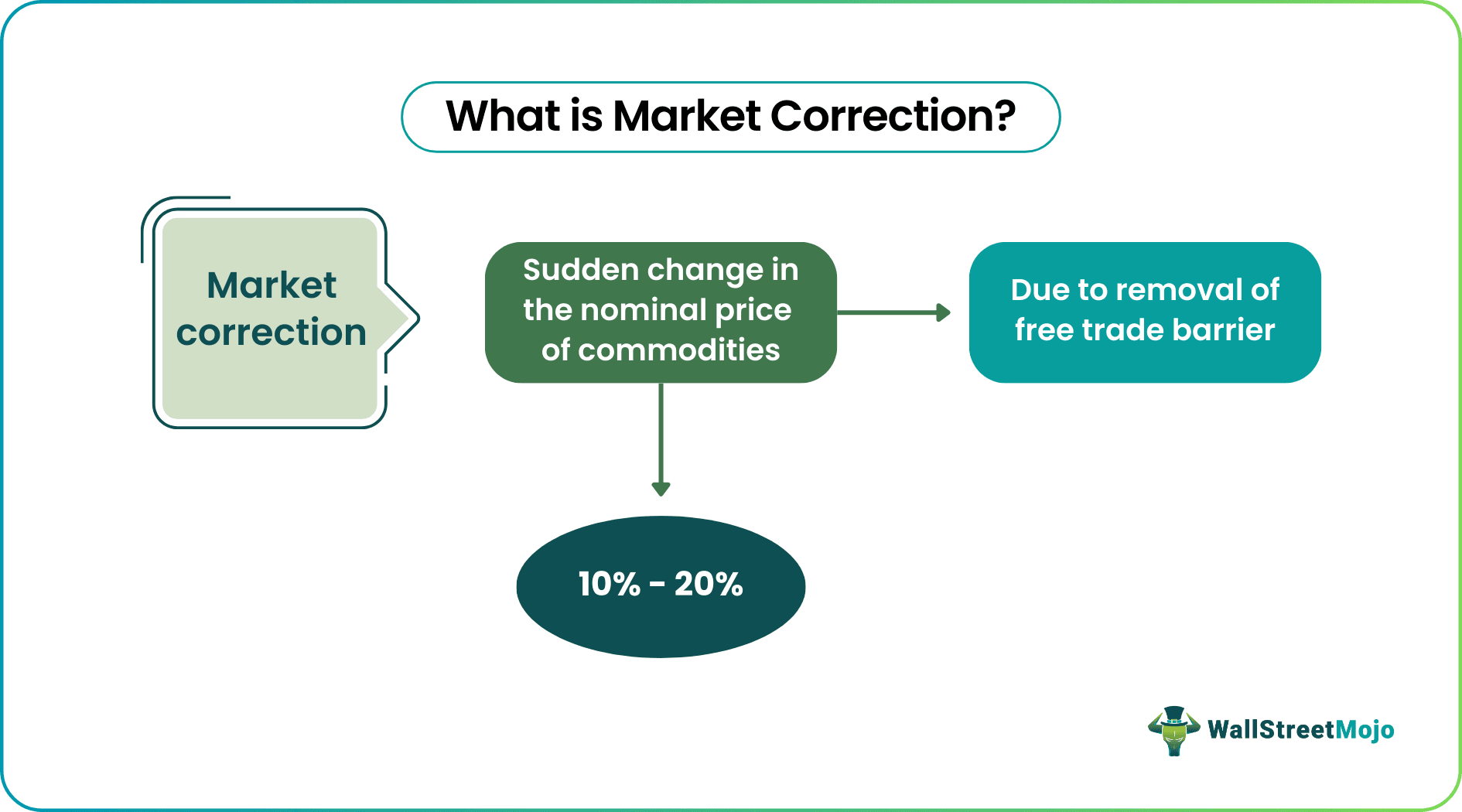
In the realm of economics, there is a critical distinction between a “correction” and a “crash.” A market correction is typically viewed as a healthy, albeit painful, adjustment where prices drop by 10% to 20% to bring them back in line with fundamental values, such as median household income and rental yields. A crash, conversely, is a rapid, uncontrolled decline often triggered by a systemic failure—such as a wave of mass foreclosures or a banking crisis—that leads to a downward spiral of prices.
Currently, many experts argue that we are overdue for a correction. The primary driver is the “price-to-income ratio,” a key metric used by the OECD to track housing affordability. In many global cities, this ratio has reached unsustainable levels, meaning that the average home costs far more than what the average worker can afford, even with significant savings. When the gap between what a house is “worth” on paper and what a buyer can actually pay becomes too wide, prices must eventually fall to meet the demand.
However, those predicting a full-scale crash point to the “wealth effect” in reverse. When homeowners see their equity evaporate, they spend less in the broader economy, which can trigger a recession, further increasing unemployment and leading to more forced sales. This feedback loop was the engine of the 2008 financial crisis. The key question for 2026 is whether the current market has the same structural vulnerabilities—specifically, the prevalence of subprime loans and predatory lending.
Unlike the 2008 era, current lending standards in most developed nations are significantly more stringent. Most homeowners entered their mortgages with higher credit scores and larger down payments. This suggests that while prices may fall, the likelihood of a systemic wave of foreclosures is lower. We are likely seeing a “frozen market” rather than a collapsing one, where activity slows down because neither party can agree on a fair price.
The Role of Central Bank Policy and Interest Rates
The most immediate catalyst for the current volatility is the trajectory of interest rates. For the past several years, central banks—including the U.S. Federal Reserve and the European Central Bank (ECB)—have utilized aggressive rate hikes to combat stubborn inflation. This has had a direct and cooling effect on the housing market by increasing the cost of mortgage debt.
When mortgage rates rise, the purchasing power of the buyer drops precipitously. For example, a 2% increase in a mortgage rate can reduce a buyer’s maximum loan amount by tens of thousands of dollars, effectively pricing millions of people out of the market. This creates a “demand shock.” As the number of qualified buyers decreases, sellers are forced to either lower their asking prices or accept that their properties will sit on the market for months.
According to recent data from the IMF Global Financial Stability Report, high interest rates have put significant pressure on residential real estate, particularly in markets with high levels of floating-rate debt. In countries where mortgages are reset frequently, the impact is felt almost immediately. In markets with long-term fixed rates, the pressure is more gradual, as the “lock-in effect” occurs: homeowners with 3% mortgages refuse to sell because moving would mean taking on a new mortgage at 6% or 7%.
This lock-in effect has created a paradoxical situation: demand is low, but supply is also artificially restricted. This scarcity has, in some regions, kept prices higher than the economic fundamentals would suggest. However, this is a fragile equilibrium. As fixed-rate mortgages eventually expire or as economic pressures (such as job losses) force sales, a surge of inventory could hit the market, finally triggering the price drops that experts have been forecasting.
Supply-Side Constraints: The Buffer Against Total Collapse
Despite the bearish outlook from many analysts, there is a powerful counter-argument: the chronic global housing shortage. In many developed nations, the pace of new home construction has failed to keep pace with population growth and urbanization for decades. This structural deficit acts as a floor for property prices.

When You’ll see simply not enough roofs for the number of people who need them, a certain level of demand is guaranteed. This is particularly evident in “superstar cities” like London, New York, and Toronto, where the concentration of high-paying jobs continues to attract residents despite the cost. In these markets, housing is treated not just as a shelter, but as a primary asset class for institutional investors and high-net-worth individuals.
The entry of institutional buyers—large private equity firms that purchase single-family homes to convert them into rentals—has further complicated the market. These entities often have the capital to weather a price downturn, meaning they are unlikely to engage in the panic-selling that characterizes a crash. Their presence creates a permanent level of demand that can prevent prices from falling as far as they might in a market composed entirely of individual homeowners.
government interventions often step in to prevent a total collapse. From first-time buyer grants to mortgage relief programs, states have a vested interest in maintaining housing stability to avoid social unrest and economic contagion. While these interventions can prevent a crash, they can also delay a necessary correction, potentially leading to a more severe adjustment later on.
Strategic Outlook for Homebuyers and Investors
For those navigating this volatile landscape, the strategy depends entirely on their time horizon and financial resilience. The current environment is increasingly favoring the buyer, but only those who have the luxury of patience and liquidity.
For Prospective Buyers
The “wait and see” approach is becoming more viable. As inventory levels rise and sellers become more desperate, buyers gain significant leverage. This is the time to be rigorous with inspections and firm on pricing. However, the risk of waiting too long is that if central banks begin to cut interest rates to stimulate a flagging economy, a new surge of buyers could enter the market, driving prices back up before the “bottom” is ever reached.
For Current Homeowners
The priority for homeowners should be the preservation of equity. If you are in a position where you must sell, it is imperative to price the property based on current market comparables rather than the peak prices of two years ago. For those who can afford to stay, the goal is to ride out the volatility. Avoiding unnecessary refinancing at current high rates and focusing on paying down principal can provide a safety buffer if valuations dip further.
For Real Estate Investors
The era of “easy gains” through simple appreciation is over. Investors must now focus on yield—the actual income generated by the property through rent—rather than hoping for a price spike. Diversification is key; shifting focus from luxury residential properties to affordable rental housing or industrial real estate may provide more stability in a downturn.
| Feature | Market Correction | Market Crash |
|---|---|---|
| Price Decline | Typically 10% to 20% | Rapid decline, often exceeding 30% |
| Primary Cause | Overvaluation/Interest rate shifts | Systemic failure/Financial contagion |
| Inventory | Gradual increase in listings | Surge of forced sales (foreclosures) |
| Recovery Time | Months to a few years | Years to a decade |
| Impact on Equity | Reduced gains | Potential for “negative equity” (underwater) |
What Happens Next?
The trajectory of housing prices over the next 12 to 18 months will likely be determined by the coordinated actions of global central banks. The market is currently in a state of “price discovery,” where the old rules of the low-interest-rate era no longer apply, and the new rules have not yet been fully established.
We are watching two critical indicators: the unemployment rate and the inflation index. If unemployment remains low, homeowners can continue to service their debts, preventing a wave of forced sales and keeping the decline a “correction.” However, if a broader economic recession triggers significant job losses, the structural supports of the housing market could buckle, turning a correction into a crash.
The next major checkpoint for the market will be the upcoming series of monetary policy meetings from the Federal Reserve and the ECB. Any signal regarding the timing of interest rate cuts will immediately impact mortgage pricing and buyer sentiment. Until then, the market is likely to remain stagnant, characterized by low volume and a cautious approach from all participants.
We invite our readers to share their experiences in the comments below. Are you seeing price drops in your local area, or is the shortage of homes still keeping prices high? Share this article with your network to keep the conversation on global economic stability going.
Worth a look