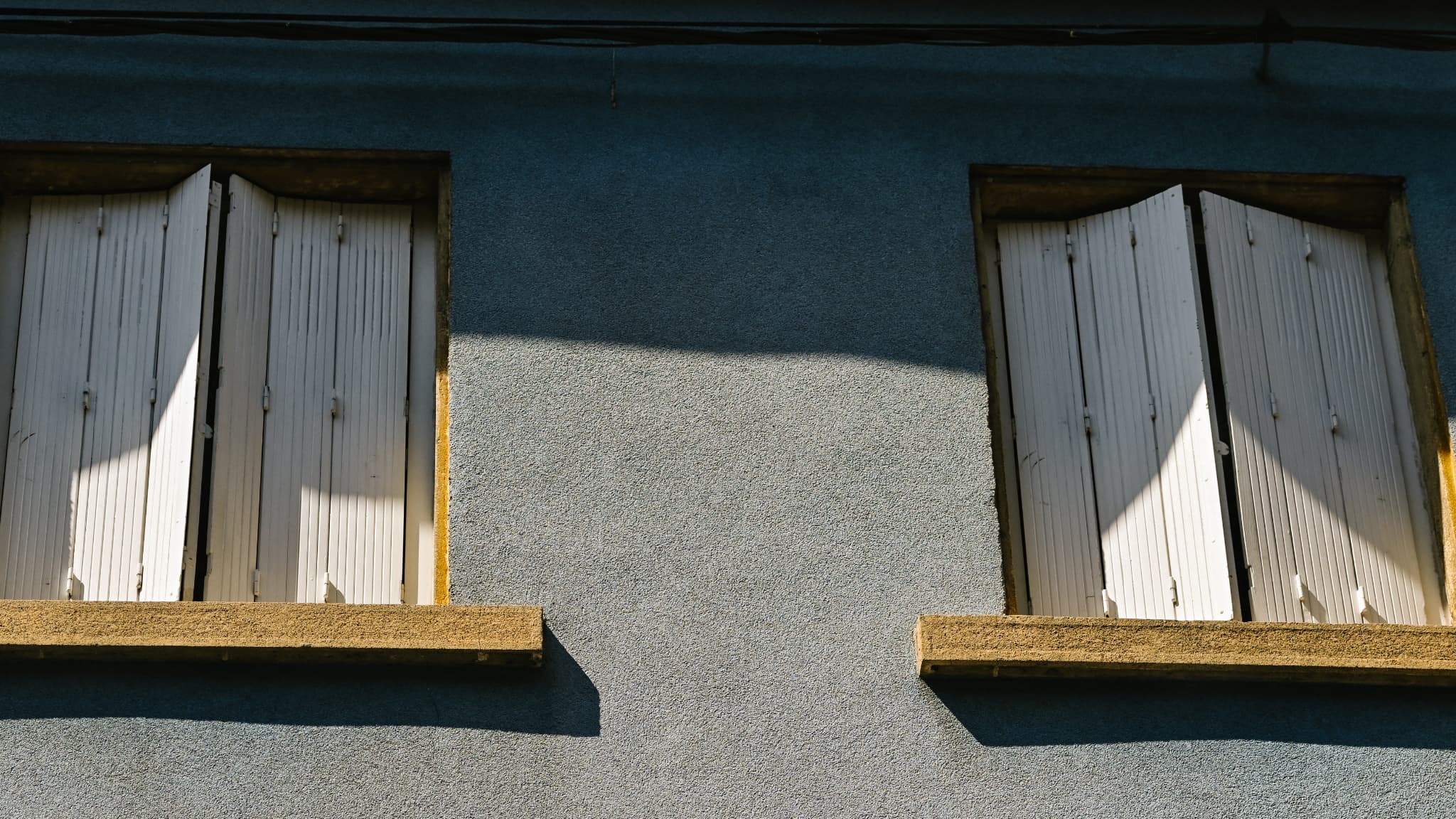
In the evolving landscape of European residential real estate, the enduring appeal of south-facing properties remains a cornerstone of market valuation. Despite shifting climate patterns and an increasing frequency of heatwaves across the continent, data indicates that the orientation of a property continues to exert a significant influence on buyer sentiment and final transaction prices. For many prospective homeowners, the promise of natural light and thermal gain during cooler months remains a priority that currently outweighs concerns regarding summer cooling costs.
As the real estate sector navigates the complexities of the Energy Performance of Buildings Directive, which sets strict standards for efficiency and carbon neutrality, the interplay between passive solar design and climate resilience has become a critical focus for both architects and investors. While extreme weather events have prompted a re-evaluation of building materials and insulation standards, the market premium associated with south-facing exposure has shown remarkable resilience, suggesting that the “light-filled” aesthetic remains a highly liquid asset in major metropolitan centers.
The Resilience of Premium Orientations
Market observers note that the preference for south-facing apartments and houses is deeply rooted in both psychological well-being and energy efficiency. During the winter, a south-facing orientation allows for maximum solar gain, reducing the reliance on artificial heating—a factor that has gained prominence as global energy price volatility continues to impact household budgets. Even as heatwaves become more frequent, the traditional valuation models used by appraisers have not yet moved to discount these properties. Instead, the market is witnessing a bifurcation: while demand remains high for south-facing units, there is a concurrent rise in demand for high-performance cooling solutions and external solar shading systems.
This trend underscores a broader transition in urban planning where the focus is shifting from simply “location” to “climate-adapted living.” Investors and developers are increasingly integrating smart-glass technology and automated exterior blinds to mitigate the downsides of southern exposure. These adaptive measures are essential for maintaining property value, as prospective buyers are becoming more sophisticated in their understanding of internal thermal regulation. The objective is to decouple the benefits of natural light from the liabilities of summer overheating.
Market Dynamics and Buyer Psychology
The “sun-drenched” premium is not merely a matter of comfort. it represents a tangible financial asset. In competitive markets, such as Paris, London, or Madrid, the price differential for apartments with optimal solar orientation can be substantial. According to recent market analysis, properties that offer abundant natural light consistently experience shorter days-on-market compared to those with northern exposure. This liquidity premium is a powerful driver for developers who prioritize south-facing floor plans in new construction projects.

However, the industry is closely monitoring how shifting climate norms might eventually alter these long-standing preferences. As extreme heat events reach record levels, as documented by the Copernicus Climate Change Service, there is a growing consensus that the future of real estate value will depend on a building’s ability to remain comfortable throughout the year. The challenge for the sector is to maintain the desirable aesthetic of southern exposure while ensuring that the building envelope can effectively manage thermal loads during peak summer temperatures.
Future-Proofing Real Estate Assets
For those looking to enter the market or upgrade their existing residential assets, the focus is increasingly on the “thermal envelope.” Renovations that include high-performance glazing, improved attic insulation, and heat-reflective roof coatings are becoming standard requirements rather than luxury add-ons. These interventions are critical for ensuring that the high valuation of south-facing homes is sustained in the long term, as lenders and insurers begin to factor climate-related risks more heavily into their underwriting processes.

Regulatory frameworks are also catching up. Many jurisdictions are currently updating building codes to mandate higher levels of thermal performance, which effectively forces the market to address the weaknesses of older, less efficient housing stock. As these regulations tighten, the gap between “climate-ready” properties and standard builds is expected to widen, potentially leading to a premium on homes that have been retrofitted to handle both cold winters and hot summers efficiently.
Key Considerations for Property Investors
- Passive Solar Design: Understand that while south-facing exposure is beneficial for winter heating, it requires robust mitigation strategies for summer heat.
- Energy Performance Certificates (EPC): Always verify the EPC rating of a property, as this provides an independent assessment of how well the home manages energy and temperature.
- Climate Resilience Upgrades: Prioritize properties that feature, or can accommodate, modern HVAC systems and external shading devices.
- Location-Specific Risks: Assess the local urban heat island effect, as properties in dense, concrete-heavy urban centers may require more aggressive cooling solutions than those in greener, suburban environments.
As we move into the next quarter, market participants should watch for new policy announcements regarding building efficiency standards from the European Commission and national housing ministries. These updates will likely provide more clarity on the future requirements for residential energy performance. We encourage our readers to stay informed through official government housing portals and to consult with certified energy auditors before making significant investment decisions. We invite you to share your thoughts on how your own property preferences have changed in light of shifting climate patterns in the comments section below.

Keep reading