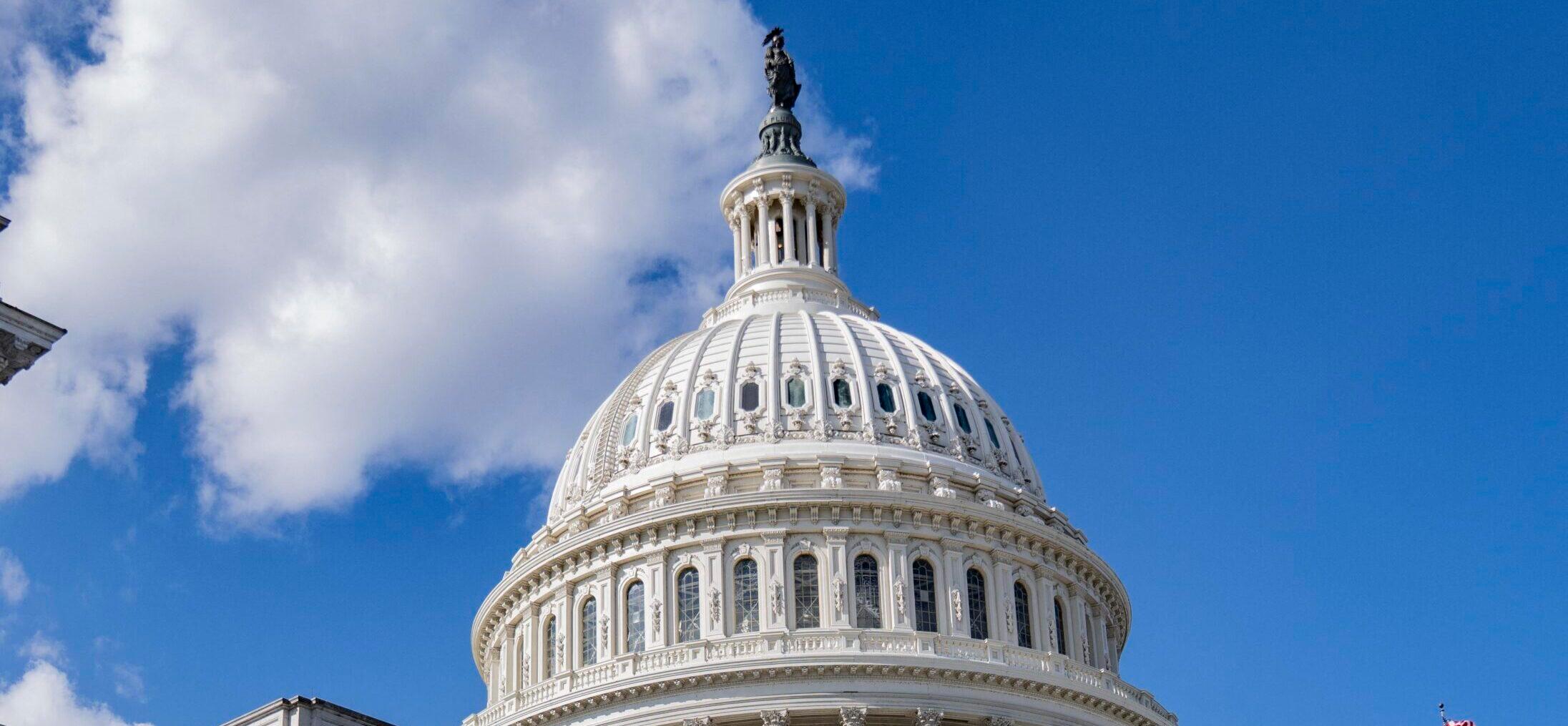
The halls of power in Washington, D.C., are no strangers to high drama, but a recent influx of glamour and grit brought a different kind of spotlight to Capitol Hill. Stars from Bravo’s “Real Housewives” franchise recently traded their luxury lifestyles for legislative lobbying, visiting the nation’s capital to advocate for critical healthcare funding. While the mission was serious, the intersection of celebrity culture and political maneuvering has sparked a conversation about the striking similarities between the gossipy world of reality TV and the behavior of elected representatives.
The event, titled “Housewives on the Hill,” was presented by MISTR and took place on March 18, 2026. The initiative brought together a diverse group of cast members from various cities to push lawmakers on the shrinking availability of drug assistance programs. This effort highlights a growing crisis in the United States: thousands of Americans are at risk of losing cost-free access to essential HIV medications as state funding lapses according to reporting by The Hollywood Reporter.
Among the attendees were Erika Jayne of The Real Housewives of Beverly Hills, Melissa Gorga of New Jersey, and Candiace Dillard Bassett of Potomac. They were joined by NeNe Leakes and Phaedra Parks from Atlanta, Marysol Patton from Miami, and Luann de Lesseps from New York City. The group met with lawmakers, including Mazie Hirono and Adelita Grijalva, to discuss the urgent demand for stable HIV care and funding in the U.S.
The Crisis of HIV Funding and State Budget Cuts
The primary objective of the “Housewives on the Hill” campaign was to draw attention to a precarious financial situation facing people living with HIV and AIDS. Federal funding for these programs has remained flat since 2014, which has effectively shifted the financial burden onto individual states. This lack of federal growth has led to a volatile landscape of care, where access to medication often depends on a patient’s zip code.
The scale of the funding crisis is significant. A recent report from KFF indicates that 18 U.S. States, as well as Washington, D.C., have already implemented substantial cuts to drug assistance programs. The instability continues to spread, with an additional 12 states currently considering further reductions in their funding for these life-saving medications as detailed by The Hollywood Reporter.
For the advocates involved, the goal is to prevent a scenario where patients are forced to choose between their health and their financial stability. By leveraging the massive platforms of the “Real Housewives” stars, MISTR and the visiting cast members aimed to ensure that the struggle for HIV medication access remains a priority for lawmakers who hold the purse strings.
Reality TV vs. Political Theater
While the advocacy work was the catalyst for the visit, the experience provided a unique perspective on the nature of governance. Observers noted that the visit offered a glimpse into how the nation’s elected representatives often mimic the gossipy, performative world of reality TV. The dynamics of power, public image, and interpersonal conflict within the Capitol appeared to mirror the very dramas that make the Bravo franchise a global hit.
This parallel is not necessarily viewed as a positive development. Reports suggest that those involved did not necessarily relish the similarities between the strategic social maneuvering seen on screen and the political maneuvering seen in Congress. The “drama” of the Hill, while often dismissed as theater, has real-world consequences for the funding of public health initiatives, contrasting with the scripted or edited conflict of a reality show.
Key Stakeholders in the Funding Fight
- MISTR: The organization that presented “Housewives on the Hill,” led by CEO Tristan Schukraft.
- The “Real Housewives” Cast: High-profile figures who used their celebrity status to bring media attention to the funding gap.
- U.S. Lawmakers: Representatives such as Mazie Hirono and Adelita Grijalva who engaged with the advocates to discuss HIV care.
- KFF: The organization providing the data regarding the 18 states that have already cut drug assistance programs.
What Happens Next for HIV Assistance Programs
The immediate focus for the “Housewives on the Hill” group and their partners is to reverse the trend of state-level cuts and advocate for an increase in federal funding to relieve the pressure on state budgets. The disparity in care across the country remains a central point of contention, as the 12 states currently considering cuts could potentially leave thousands more without cost-free medication.
As the discussion moves forward, the focus remains on the reports from KFF and the legislative actions of the 30 jurisdictions (18 states and D.C. Already cut, 12 considering) that are currently impacting the stability of HIV care in the United States. The visibility provided by the celebrity campaign serves as a catalyst for further legislative pressure.
For those seeking updates on HIV funding and drug assistance programs, official reports from KFF and legislative tracking of the mentioned states provide the most accurate data on where funding stands and where further cuts may be proposed.
World Today Journal will continue to monitor the legislative responses to the “Housewives on the Hill” initiative and any shifts in federal HIV funding. We invite our readers to share their thoughts on the intersection of celebrity advocacy and public policy in the comments below.
Worth a look