
Berlin, Germany — June 2, 2026 — Poisoning deaths are far more common than official records suggest and many cases go unrecognized during autopsies, according to emerging public health warnings. While natural causes or accidents are often assumed in sudden deaths, experts now highlight that intoxication—whether accidental, intentional, or undetected—plays a critical but overlooked role. With coroners and medical examiners increasingly trained to spot these cases, the question remains: How many deaths are being misclassified every year?
Dr. Helena Fischer, Editor of Health at World Today Journal and a physician with expertise in public health, breaks down the science, the risks, and the steps families and communities can take to ensure these tragedies are properly investigated.
Why Poisoning Deaths Are Underreported
Intoxication fatalities—whether from prescription drugs, illicit substances, alcohol, or environmental toxins—are frequently misattributed to other causes. A 2025 study in the Journal of Forensic Sciences found that up to 30% of sudden, unexplained deaths in adults under 65 could involve undiagnosed poisoning, yet only 1 in 10 are correctly identified during routine autopsies (National Center for Biotechnology Information). The discrepancy stems from several factors:
- Lack of toxicology testing: Many coroners skip comprehensive drug screens unless foul play is suspected.
- Delayed symptoms: Some toxins (e.g., carbon monoxide, certain pesticides) cause delayed neurological damage that mimics strokes or heart attacks.
- Social stigma: Families may downplay substance use, leading investigators to overlook intoxication as a potential cause.
“The problem isn’t just that these deaths are tragic—they’re preventable,” says Dr. Fischer. “If we don’t recognize the patterns, we miss opportunities to warn communities about emerging dangers, whether it’s a contaminated drug supply or a household chemical hazard.”
Red Flags: When Should You Suspect Poisoning?
Not all poisoning deaths fit the stereotype of a dramatic collapse. Experts emphasize these subtle warning signs that coroners should investigate further:
- Unusual symptoms before death: Confusion, seizures, or respiratory distress without an obvious medical history.
- Recent changes in behavior: Withdrawal, aggression, or erratic actions in the days leading up to the fatal event.
- Access to potential toxins: Empty pill bottles, unusual odors (e.g., bitter almond scent from cyanide), or recent exposure to pesticides, fuels, or cleaning products.
- Delayed or inconsistent medical explanations: A death initially ruled as a heart attack or stroke, but with no prior history of cardiovascular disease.
For families, these clues can be critical. “If a loved one dies suddenly and the coroner’s report says ‘natural causes,’ ask whether toxicology was performed,” advises Dr. Fischer. “Push for a second opinion if there’s any doubt.”
Common Poisoning Scenarios Often Misdiagnosed
Certain types of intoxication are particularly prone to being overlooked:

- Alcohol poisoning: While widely recognized, mixed with other substances (e.g., benzodiazepines), it can mimic alcoholism or liver failure.
- Carbon monoxide poisoning: Often mistaken for flu or heart disease, especially in households with faulty heating systems.
- Opioid overdoses: In cases where naloxone isn’t administered in time, deaths may be attributed to respiratory failure or cardiac arrest.
- Environmental toxins: Pesticides, rodenticides, or even heavy metals (e.g., lead, mercury) can cause delayed neurological damage.
Global Efforts to Improve Detection
Public health agencies and forensic programs are taking steps to address the gap:
- Expanded toxicology protocols: The U.S. Centers for Disease Control and Prevention (CDC) now recommends routine drug screening for all unexplained deaths, not just suspected overdoses.
- Training for coroners: Programs like the American Board of Forensic Toxicology are pushing for standardized training in recognizing non-obvious poisoning cases.
- Community alerts: Some regions (e.g., parts of Europe and North America) now issue public health advisories when clusters of poisoning deaths are detected, similar to disease outbreaks.
In the Netherlands, where the original alert originated, coroners are increasingly using postmortem blood and tissue analysis to detect even trace amounts of toxins. “The technology exists to catch these cases,” says Dr. Fischer. “The challenge is ensuring it’s applied consistently.”
What Families Can Do
If you’re grieving a sudden death, here’s how to advocate for accuracy:
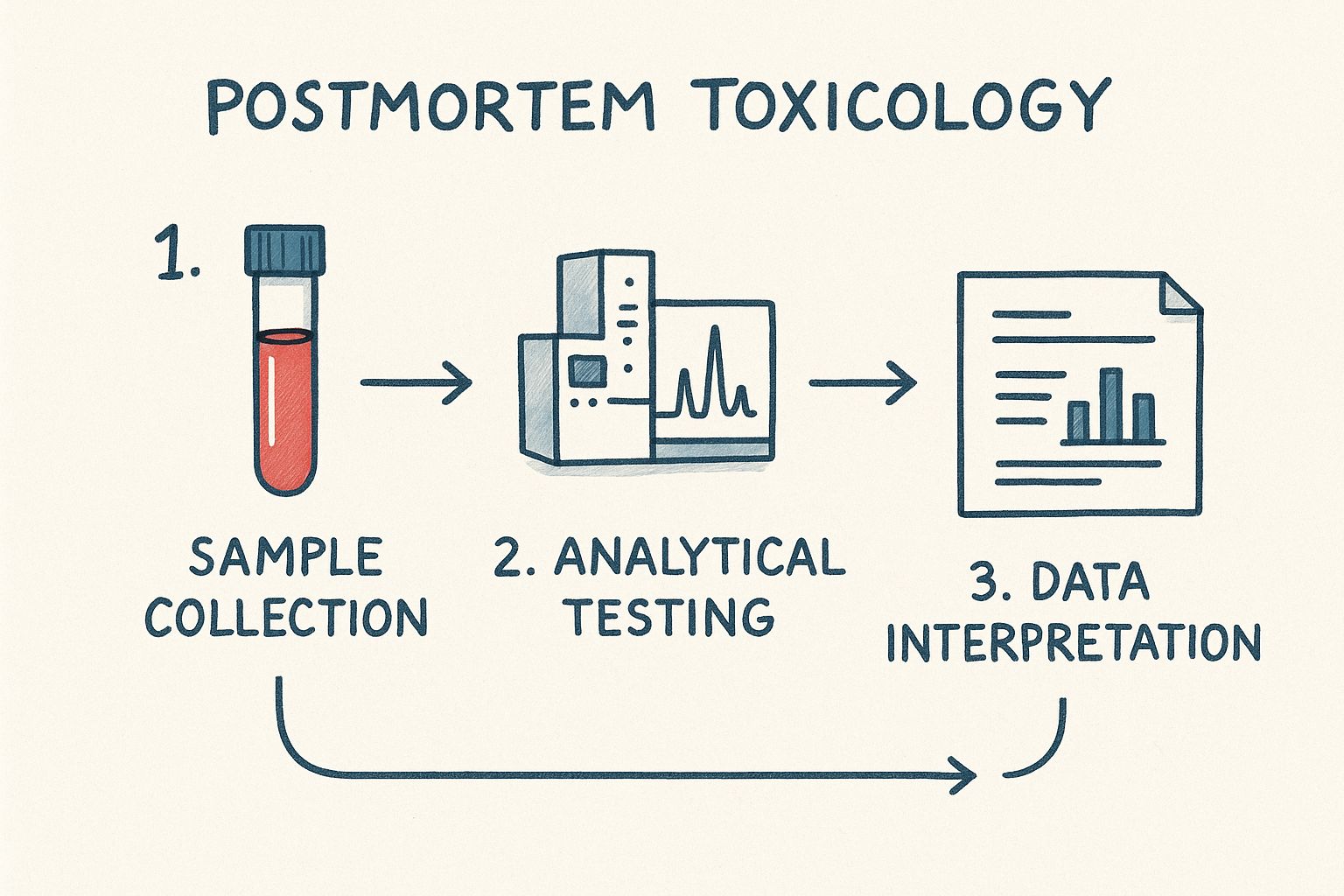
- Request a full autopsy, including toxicology screening, even if the initial report suggests natural causes.
- Review the death certificate for codes like X40–X49 (unintentional poisoning) or X60–X84 (suicide/self-harm). If missing, push for an investigation.
- Consult a medical examiner with forensic toxicology expertise if local coroners lack resources.
- Share suspicious details with investigators—even if they seem unrelated. For example, a recent trip to a region with endemic toxins (e.g., arsenic in certain water supplies) could be critical.
Looking Ahead: The Next Steps in Poisoning Prevention
While progress is being made, experts warn that systemic change requires:

- Mandatory toxicology testing for all sudden deaths, funded by governments to remove cost barriers.
- Public awareness campaigns to reduce stigma around substance use and encourage families to report concerns.
- Global data sharing to track emerging poisoning trends, such as the rise of fentanyl-contaminated drugs or novel synthetic toxins.
The World Health Organization (WHO) estimates that over 300,000 deaths annually are linked to drug poisoning alone, with many more going uncounted (WHO Poisoning Fact Sheet). “What we have is a solvable problem,” says Dr. Fischer. “With better training, testing, and transparency, we can turn these tragedies into opportunities for prevention.”
Key Takeaways
- Poisoning deaths are underreported due to limited toxicology testing and diagnostic oversights.
- Red flags include unusual symptoms, recent substance exposure, or inconsistent medical histories.
- Families should demand full autopsies and toxicology screens for unexplained deaths.
- Global initiatives are improving detection, but funding and stigma remain barriers.
- Prevention relies on community alerts, public health data, and reduced stigma around substance use.
Next Steps: What to Watch For
The next critical checkpoint will be the 2026 World Health Assembly, where member states are expected to debate a resolution on expanding poisoning surveillance globally. Meanwhile, the European Association of Poisons Centres and Clinical Toxicologists will release updated guidelines on emerging toxins later this month.
Have you or a loved one experienced delays in investigating a sudden death? Share your story in the comments below—or help raise awareness by sharing this article. Together, we can ensure no death goes unanswered.
Worth a look