Hundreds of thousands of people gathered across Paris on June 21, 2024, to celebrate the annual Fête de la Musique, despite temperatures in the French capital climbing above 35°C (95°F). The massive street music festival, which marks the summer solstice, saw crowds navigating intense heat as musicians performed in public squares and thoroughfares throughout the city.
The celebration drew a diverse demographic of attendees, ranging from local residents to international tourists, all participating in the city-wide event. While the high temperatures presented challenges for public comfort, the atmosphere remained festive, with music genres spanning from classical and jazz to electronic and rock performing in various urban districts.
How did the heatwave impact the Fête de la Musique in Paris?
The high temperatures recorded on June 21 created a challenging environment for both performers and spectators. According to reports regarding the weather conditions in the Île-de-France region, the mercury exceeded 35°C, a significant spike for the start of the summer season. This heat coincided with the peak hours of the festival, when crowds typically swell in areas like the Marais, Montmartre, and the banks of the Seine.
City officials and emergency services monitored the situation closely to manage the intersection of high crowd density and rising temperatures. The “urban heat island” effect—a phenomenon where dense concentrations of pavement, buildings, and human activity trap heat—was particularly pronounced in Paris’s central arrondissements. This environmental factor meant that street-level temperatures often felt higher than official meteorological readings suggested.
To mitigate risks, local authorities and health organizations emphasized the importance of hydration and shade. While the festival is inherently a mobile event, with people walking between different musical stages, the lack of consistent cooling infrastructure in public streets made the heat a primary concern for organizers. Despite these conditions, the sheer volume of participants indicated that the weather did not deter the traditional mass participation associated with the solstice.
What is the cultural significance of the Fête de la Musique?
The Fête de la Musique is not merely a series of concerts but a cornerstone of French cultural policy. Established in 1982 by the then-Minister of Culture, Jack Lang, the event was designed to democratize music by making it accessible to everyone, regardless of social or economic standing. The core principle of the festival is that all performances must be free to the public, held in open spaces such as streets, parks, and squares.
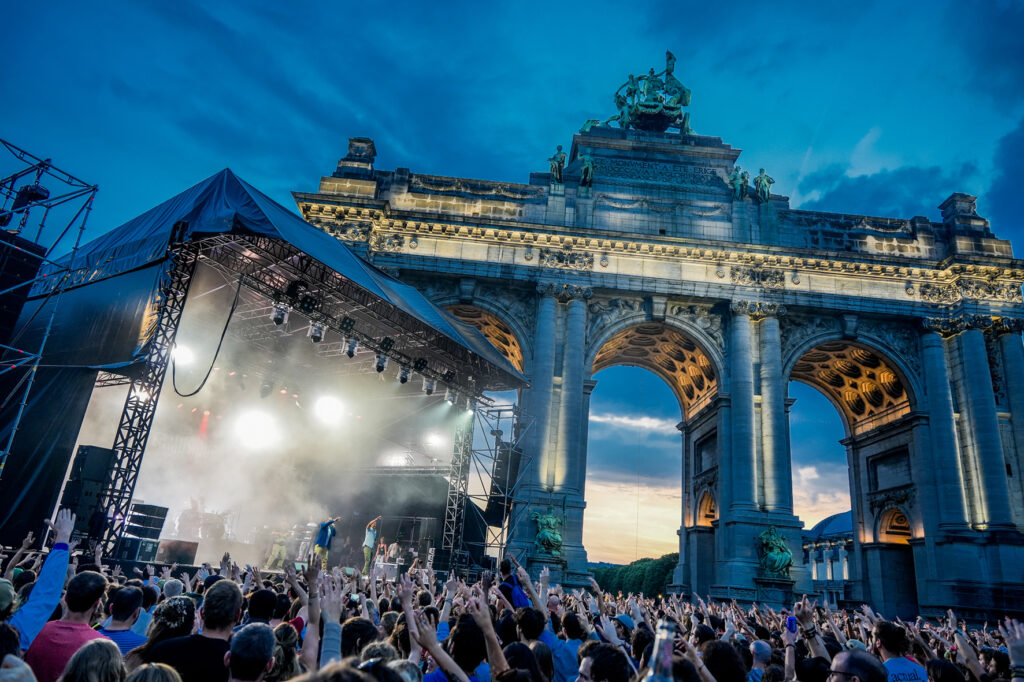
This mandate has transformed the festival into a massive, decentralized musical ecosystem. On any given June 21, the city becomes a patchwork of amateur and professional stages. You might find a student rock band playing on a street corner just meters away from a professional orchestral ensemble performing in a public garden. This lack of barriers between the performer and the audience is what defines the event’s unique character.
The timing of the festival is also intentional. By aligning the celebration with the summer solstice—the longest day of the year in the Northern Hemisphere—the event taps into ancient traditions of celebrating light and the turning of the seasons. In modern Paris, this manifests as a marathon of sound that lasts from the afternoon through the early hours of the following morning.
How do cities manage large-scale festivals during extreme heat?
Managing a city-wide event like the Fête de la Musique during a heatwave requires a multi-agency response involving public health, law enforcement, and urban management. When temperatures exceed 35°C, the logistical complexity of crowd control increases significantly. Authorities must account for the physical strain that heat places on large groups of people, particularly the elderly and young children.
Strategic management typically involves several key components:
- Hydration Access: Increasing the availability of public drinking fountains and ensuring that vendors have adequate supplies of water.
- Crowd Flow Regulation: Using police and security personnel to prevent dangerous overcrowding in narrow streets, which can exacerbate heat retention.
- Real-time Monitoring: Utilizing meteorological data and heat maps to identify “hot zones” within the city where interventions might be necessary.
- Public Advisories: Issuing health guidance through official channels regarding the signs of heat exhaustion and dehydration.
The challenge in Paris is exacerbated by the city’s historic architecture. Many of the streets where music is most concentrated are narrow and lack the modern ventilation or green space found in newer urban developments. This makes the coordination between the Prefecture of Police and health services essential to maintain public safety during high-temperature festivities.
Why the intersection of climate and culture matters
The 2024 Fête de la Musique serves as a case study for the evolving relationship between traditional cultural celebrations and the realities of a changing climate. As heatwaves become more frequent and intense in Western Europe, the planning of outdoor summer events must undergo a fundamental shift.
Climate scientists have noted that the frequency of extreme heat events in Europe has increased significantly over the last few decades. For cities like Paris, this means that “standard” summer festival protocols may no longer be sufficient. There is an increasing need to integrate “climate resilience” into the very fabric of urban event planning. This includes not just emergency response, but the proactive design of festivals that prioritize shade, cooling, and lower-density movement.
Furthermore, the economic and social impact of these shifts is substantial. If extreme heat becomes a regular occurrence during major cultural dates, organizers may be forced to reconsider timing, locations, or the very nature of outdoor gatherings. For a festival built on the concept of “open-air” accessibility, the rising temperature presents a direct challenge to its core identity.
Summary of Event Details
| Feature | Detail |
|---|---|
| Event Name | Fête de la Musique |
| Primary Location | Paris, France |
| Date | June 21, 2024 |
| Peak Temperature | Exceeding 35°C (95°F) |
| Core Principle | Free, public, and open-air music |
As the summer progresses, meteorological services will continue to provide updates on temperature trends across France. Local authorities in Paris are expected to maintain heightened vigilance regarding public health advisories as the city prepares for the upcoming summer months.
For further updates on weather warnings and city safety protocols, residents and visitors are encouraged to monitor official announcements from the French Ministry of the Interior and Météo-France.
What are your thoughts on managing large outdoor events during heatwaves? Share your experiences or comments below and share this article with your network.
Keep reading