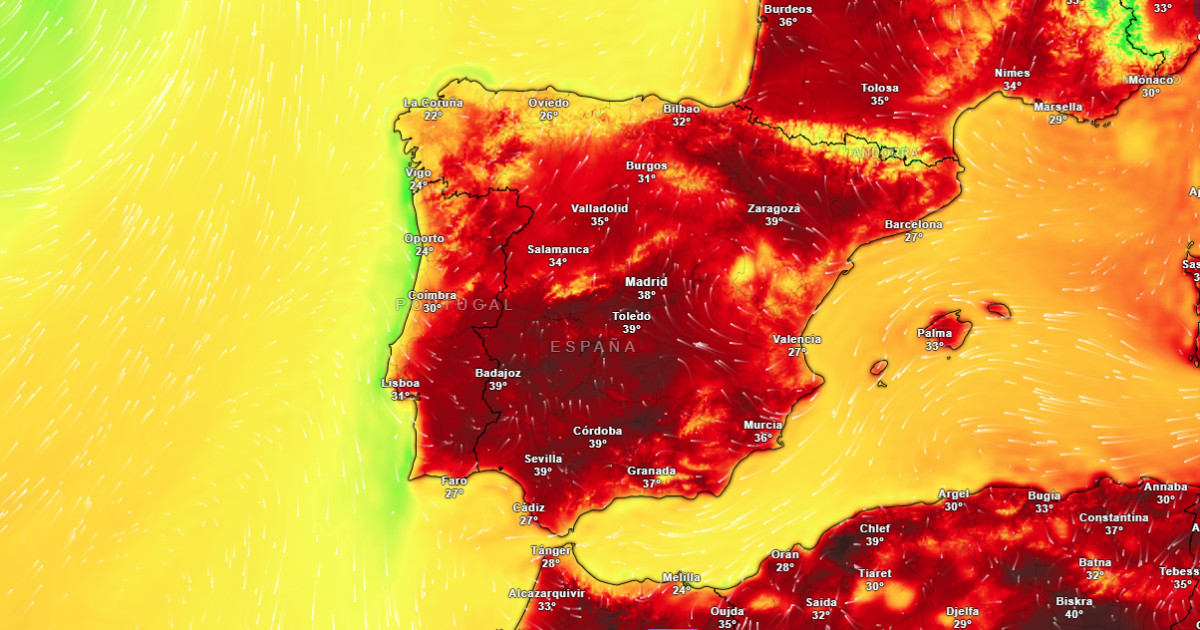
Spain is preparing for its first significant heatwave of the year, with temperatures expected to surge above 40°C (104°F) in multiple regions starting as early as this week, according to the Spanish State Meteorological Agency (AEMET) and regional climate services. The early arrival of extreme heat—typically seen in July—has prompted warnings from health authorities, water management agencies, and local governments about potential power grid strain, agricultural losses, and increased risk of heat-related illnesses. While the exact duration remains under review, meteorologists say the system could persist for at least five days, with some areas facing prolonged exposure.
In a special alert issued yesterday, AEMET highlighted the Valle del Ebro, interior regions of Murcia and Alicante, and the Guadalquivir Valley as high-risk zones, where temperatures could reach or exceed 42°C (107.6°F) in shaded areas. The agency classified the event as a “Level 3 heatwave”—the second-highest severity rating—triggering coordinated responses from regional governments. Meanwhile, the Copernicus Climate Change Service noted that this early heatwave aligns with broader trends of accelerating Mediterranean warming, with Spain experiencing three times as many extreme heat days annually compared to the 1980s.
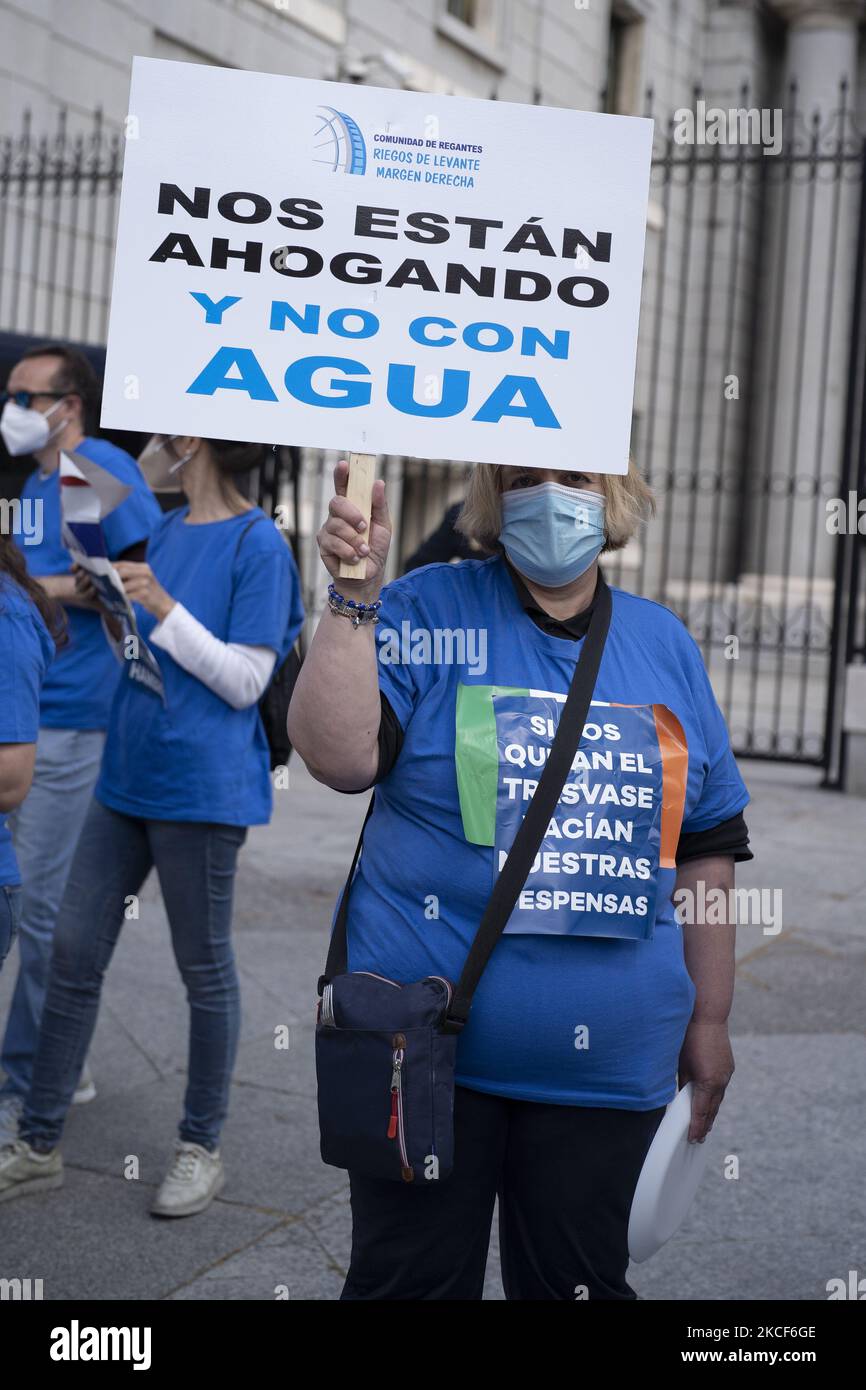
The heatwave arrives amid ongoing water shortages across southern Spain, where reservoirs remain critically low following one of the driest winters on record. The Spanish Ministry of Ecological Transition has already imposed Stage 3 water restrictions in Andalusia, Murcia, and Extremadura, limiting outdoor water use to essential services. Authorities are now advising residents to reduce non-essential water consumption by up to 30% to prevent further depletion of aquifers. “This heatwave will exacerbate the stress on our water systems,” warned Secretary General of Water Teresa Ribera in a statement yesterday, adding that emergency measures—including temporary bans on irrigation—could be activated if conditions worsen.
Why Is This Heatwave Unusual for Early June?
While Spain typically experiences its first major heatwave in July, this early surge is being attributed to a combination of factors, including a persistent high-pressure system over the Iberian Peninsula and unusually warm sea surface temperatures in the Mediterranean. According to the European Centre for Medium-Range Weather Forecasts (ECMWF), temperatures in the western Mediterranean are currently 1.5°C to 2°C above the 1991–2020 average, fueling the intensity of the heatwave.
Climatologists emphasize that such early heatwaves are becoming more frequent due to climate change. A 2023 study in Nature found that the probability of extreme June heatwaves in southern Europe has increased by at least 30% since pre-industrial times. “What we’re seeing now is not just a heatwave—it’s a glimpse of what will become the new normal if global warming isn’t urgently addressed,” said ECMWF climate scientist Robert Varnagen in an interview with The Guardian.
Locally, the heatwave is also being influenced by dust from the Sahara, which has been carried northward by strong winds. The Spanish Air Quality Network has issued alerts for elevated particulate matter (PM10) levels in regions like Valencia and Catalonia, advising vulnerable groups—including the elderly, children, and those with respiratory conditions—to limit outdoor exposure.
How Are Authorities Responding to the Heatwave?
Regional governments are implementing a multi-pronged approach to mitigate the impacts of the heatwave. In Andalusia, the government has opened 120 cooling centers across cities like Seville, Córdoba, and Granada, where temperatures are expected to exceed 40°C. The Andalusian Health Service has also activated its heatwave emergency protocol, training medical staff to recognize and treat heatstroke, dehydration, and other heat-related illnesses.
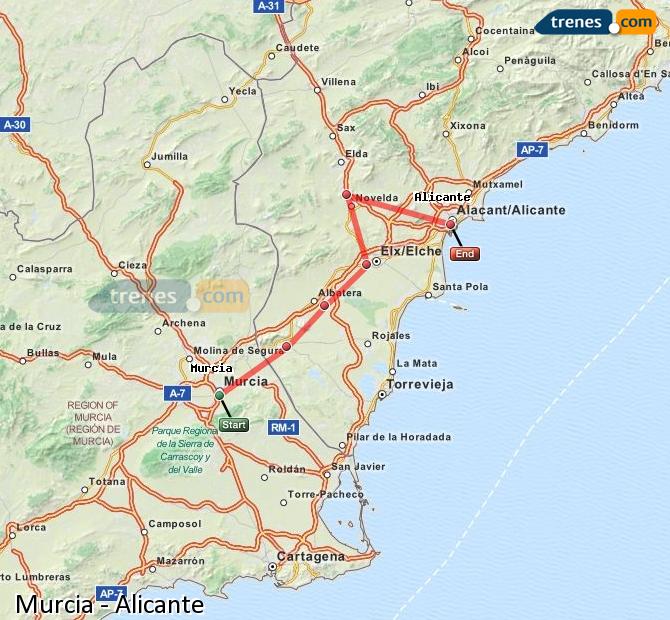
In Murcia and Alicante, where some of the highest temperatures are forecast, local authorities are working with energy companies to prevent blackouts by encouraging off-peak electricity use. The Spanish Transmission System Operator (RETE) has issued a special alert for potential grid strain, urging households to avoid using high-energy appliances between 12:00 PM and 8:00 PM. “We’re monitoring the situation closely and have contingency plans in place,” said RETE CEO Beatriz Corredor in a statement.
Meanwhile, the Spanish Ministry of Agriculture has warned farmers in high-risk areas—particularly in Extremadura and Castilla-La Mancha—that livestock may be at risk of heat stress. The ministry is distributing emergency shade and water supplies to affected regions, while agricultural cooperatives are advising farmers to adjust grazing schedules to early morning or late evening hours.
What Should Residents Do to Stay Safe?
The Spanish Ministry of Health has issued a series of recommendations to protect public health during the heatwave. Key measures include:
- Stay hydrated: Drink water regularly, even if you don’t feel thirsty, and avoid alcohol, caffeine, and sugary drinks.
- Cool your home: Close curtains and blinds during the day, open windows at night, and use fans or air conditioning if available.
- Limit outdoor activity: Avoid strenuous exercise or outdoor work during peak heat hours (12:00 PM to 7:00 PM).
- Check on vulnerable neighbors: Visit elderly relatives, those with chronic illnesses, or people living alone to ensure they are cool and hydrated.
- Recognize heatstroke symptoms: Seek immediate medical attention if someone experiences confusion, dizziness, nausea, or fainting.
For real-time updates, residents can monitor conditions through the AEMET heatwave alert system or local civil protection websites. The Spanish National Civil Protection Agency has also activated a 24/7 hotline (112) for heat-related emergencies.
What Happens Next? Tracking the Heatwave’s Evolution
AEMET’s latest models suggest the heatwave will peak between June 5 and June 7, with temperatures gradually easing by the weekend. However, meteorologists caution that the system could linger into early next week, particularly in inland regions. The agency will issue updated forecasts daily, with detailed regional bulletins available here.
In the meantime, the Copernicus Seasonal Forecasting Service indicates that above-average temperatures are likely to persist across much of southern Europe through July, raising concerns about prolonged drought conditions. The UN Environment Programme has warned that such extended heatwaves could have devastating impacts on public health, agriculture, and water security unless adaptive measures are scaled up.
The next critical checkpoint will be the weekly water management review on June 6, where regional authorities will assess whether to expand restrictions further. Meanwhile, the AEMET will provide daily updates on the heatwave’s progression.
For readers affected by the heatwave, we encourage sharing your experiences or safety tips in the comments below. If you’re in a high-risk area, consider following local civil protection accounts on X/Twitter or Facebook for real-time alerts.
Note: Visuals or interactive maps from AEMET and Copernicus will be embedded here once verified and approved for reuse.