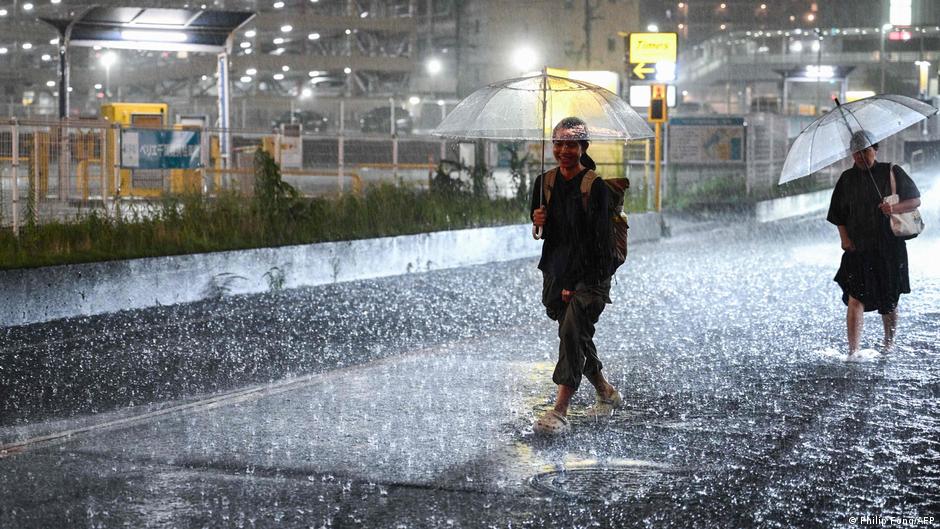
Torrential downpours lashed eastern Japan, dumping record-breaking precipitation across Chiba prefecture and stranding thousands of travelers at Tokyo’s Narita International Airport. Meteorological authorities issued the highest-level rain emergency alert for the region as overflowing rivers and widespread flooding disrupted regional transit networks and forced emergency evacuations.
The severe weather system paralyzed transportation hubs throughout the greater Tokyo area, leaving passengers marooned inside terminal buildings as rail lines suspended operations. Transport operators worked to clear flooded tracks while local municipalities deployed emergency response teams to assist residents trapped by rapidly rising floodwaters.
Japan’s Meteorological Agency elevated warnings to the maximum tier as radar data recorded unprecedented hourly rainfall totals across Chiba prefecture. Forecasters cautioned that stationary rain bands would continue to dump heavy volumes over saturated ground, significantly elevating the risk of secondary landslides and structural damage.
Narita Airport Transit Disruptions and Passenger Impact
At Narita International Airport, flight schedules faced cascading delays and cancellations as ground access routes flooded. Shuttle bus services and express train connections linking central Tokyo to the airfield experienced prolonged suspensions, trapping thousands of international and domestic passengers inside departure and arrival halls.
Airport operators distributed emergency provisions, including drinking water and thermal blankets, to travelers forced to camp overnight on terminal floors. Airline desks managed long queues of passengers seeking rebooking options as carriers adjusted flight paths to avoid the severe localized storm cell.
Emergency Response and Evacuation Advisories Across Chiba Prefecture
Local prefectural governments in Chiba issued mandatory and advisory evacuation orders for tens of thousands of households situated near swollen riverbanks and low-lying residential sectors. Emergency personnel utilized rescue boats and high-clearance vehicles to reach residents stranded on rooftops or in flooded ground-floor apartments.
Utility providers reported widespread power outages affecting residential and commercial districts across the prefecture as wind gusts downed utility poles. Repair crews awaited receding floodwaters before attempting to restore electrical service to thousands of affected homes.
Infrastructure Stress and Regional Economic Fallout
The intense precipitation highlighted vulnerabilities in regional drainage infrastructure, prompting local government officials to review stormwater management capabilities. Agricultural sectors in Chiba, known for extensive vegetable and rice production, anticipated severe crop damage as inundated fields compromised upcoming harvests.
Commercial shipping and regional logistics fleets experienced significant delays as expressways connecting Tokyo ports to Chiba industrial zones instituted temporary closures for safety assessments. Supply chain managers diverted cargo trucks to alternative inland corridors to bypass flooded underpasses and compromised bridge approaches.
Disaster management authorities urged residents in affected prefectures to monitor official channels for real-time weather alerts and evacuation updates as recovery operations proceed. Officials confirmed that transit authorities will conduct comprehensive structural inspections of rail bridges and highway foundations before lifting travel restrictions.
Worth a look
- FEMSA’s Bara Stores Outpace OXXO with 35% Revenue Surge and Rapid Expansion
- Cuba Condemns Dominican Republic’s Expulsion of Diplomats
- Bessent Faces Investor Backlash Over Record 30-Year US Bond Yield (time.news)
- Four Dead and Thousands Stranded as Unprecedented Rain Batters Eastern Japan (world-today-news.com)