
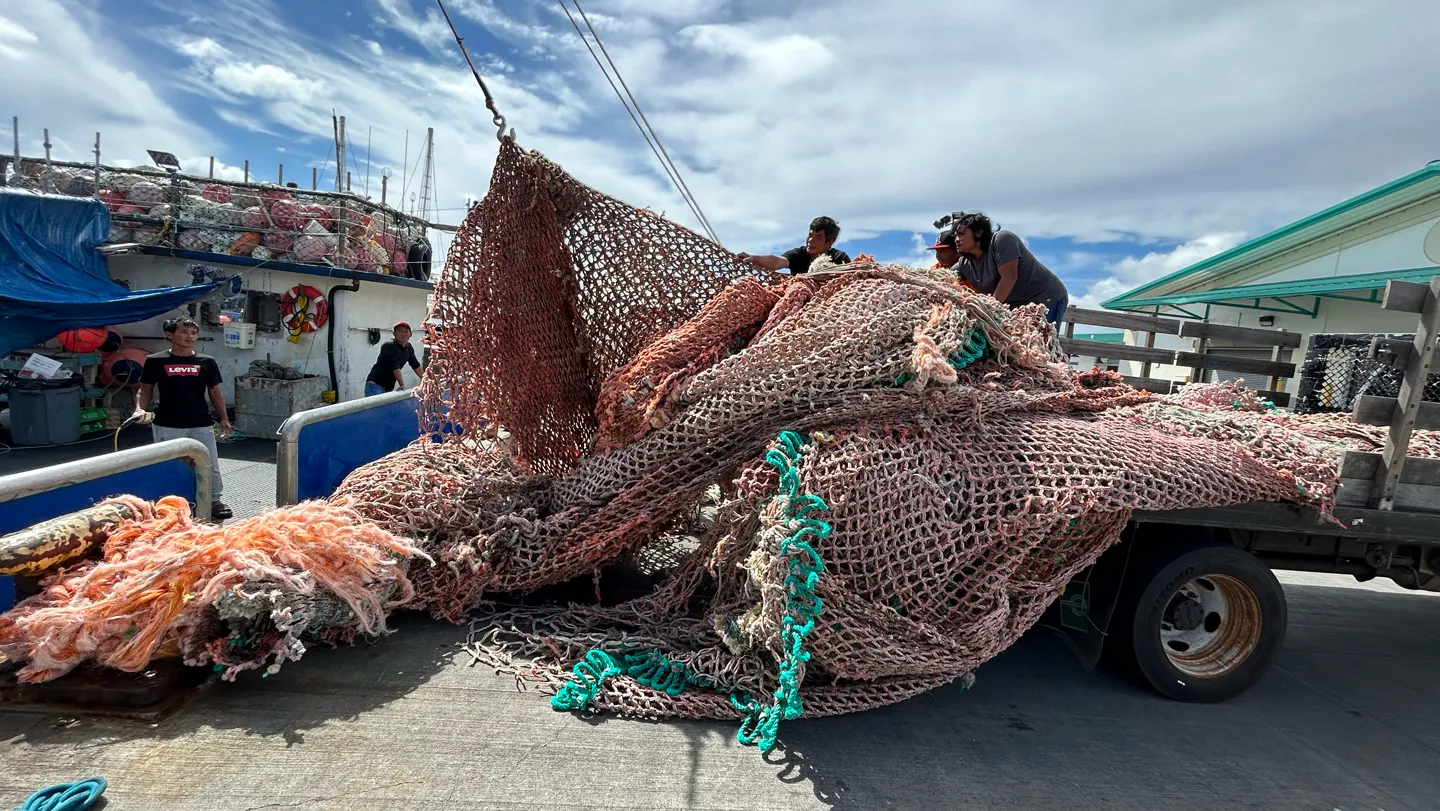
In a bid to combat the persistent tide of marine debris, researchers in Hawaii are pioneering a method to turn ocean plastic into roads, transforming hazardous beach waste into durable infrastructure. By integrating recycled plastics and derelict fishing gear into asphalt, the project aims to address the unique environmental pressures facing the island chain, including the impact of the Great Pacific Garbage Patch.
This innovative approach targets specific types of durable waste, such as polyethylene found in yogurt containers, milk jugs, and discarded fishing nets, which are collected from beaches and processed for use in road paving. While plastic-enhanced roads have been implemented in U.S. States like Texas and Missouri, the Hawaii initiative is distinguished as the first to specifically utilize marine debris as a primary additive to fight pollution.
The scale of the effort is significant. To date, 90 metric tons of plastic trash have been removed from the Pacific Ocean, and more than a metric ton of fishing nets alone have been incorporated into Hawaiian roads via the Nets-to-Roads program. This conversion not only removes pollutants from the ecosystem but also tests the viability of sustainable infrastructure in a coastal environment.
The Science Behind the Nets-to-Roads Program
The initiative is driven by the Center for Marine Debris Research at Hawaii Pacific University in Honolulu. Led by chemist Jennifer Lynch, the center oversees the “Nets-to-Roads” program, where marine biologist Mafalda de Freitas and her colleagues manage the critical first steps of collection and sorting. This process ensures that only suitable, durable plastics—specifically polyethylene—are selected for the asphalt mix.

The primary goal is to create a circular economy for marine waste. By diverting plastic from beaches and the ocean into the road network, the program reduces the amount of debris that can entangle wildlife or break down into smaller particles in the water. The use of polyethylene is strategic, as its durability helps it bond effectively within the asphalt matrix.
Addressing the Risk of Microplastic Pollution
From a public health and environmental perspective, the most critical concern is whether these plastic-infused roads might inadvertently contribute to the highly problem they seek to solve. As pavement wears down due to traffic and weather, there is a risk that it could shed microplastics back into the environment.
Dr. Jennifer Lynch has emphasized the gravity of this risk, noting the concern regarding the shedding of plastics or other chemicals. Such leakage can expose both humans and animals to toxic plastic additives, which are linked to reproductive problems, chronic inflammation, and hormone disruption according to research presented by the Center for Marine Debris Research.
However, preliminary data offers a reason for optimism. On March 22, at the American Chemical Society meeting in Atlanta, researchers reported that initial results show the asphalt remains largely intact, suggesting that the plastic is securely bound and not shedding significant amounts of microplastics into the surrounding soil or water.
Impact on Hawaii’s Unique Ecosystem
Hawaii’s geographic location makes it particularly vulnerable to oceanic waste. The islands are frequently engulfed by the Great Pacific Garbage Patch every few years, leading to an influx of tourist waste and discarded industrial fishing gear. This “marine debris” is not merely an aesthetic issue but a systemic threat to the archipelago’s biodiversity.
By targeting “derelict” fishing nets—often referred to as ghost nets—the program removes high-density plastics that are notoriously difficult to break down naturally. Turning these nets into roads provides a permanent sequestration method, locking the plastic into a solid form that serves a functional purpose for the community.
Key Project Milestones
| Metric/Event | Detail |
|---|---|
| Total Plastic Removed | 90 metric tons from the Pacific Ocean |
| Fishing Nets Paved | Over 1 metric ton |
| Key Material Used | Polyethylene (milk jugs, yogurt containers, nets) |
| Primary Institution | Center for Marine Debris Research, Hawaii Pacific University |
| Latest Finding | Asphalt remains largely intact (Reported March 22) |
Future Outlook for Sustainable Infrastructure
The success of the Hawaii project could provide a blueprint for other coastal regions grappling with marine pollution. If the long-term testing continues to show that the roads do not shed toxic additives or microplastics, the model could be scaled to other islands and coastal cities worldwide.
The project represents a shift in how we view “waste,” moving from a model of disposal to one of utilization. By transforming a pollutant into a building block for transportation, the program demonstrates that sustainable infrastructure can play a direct role in environmental remediation.
The next phase of the project involves ongoing monitoring of the pavement’s integrity to ensure that the “good intentions” of the paving process do not result in long-term chemical contamination of the Hawaiian landscape.
We invite our readers to share their thoughts on the use of recycled plastics in public infrastructure in the comments below. Please share this article to spread awareness of innovative solutions to marine pollution.