
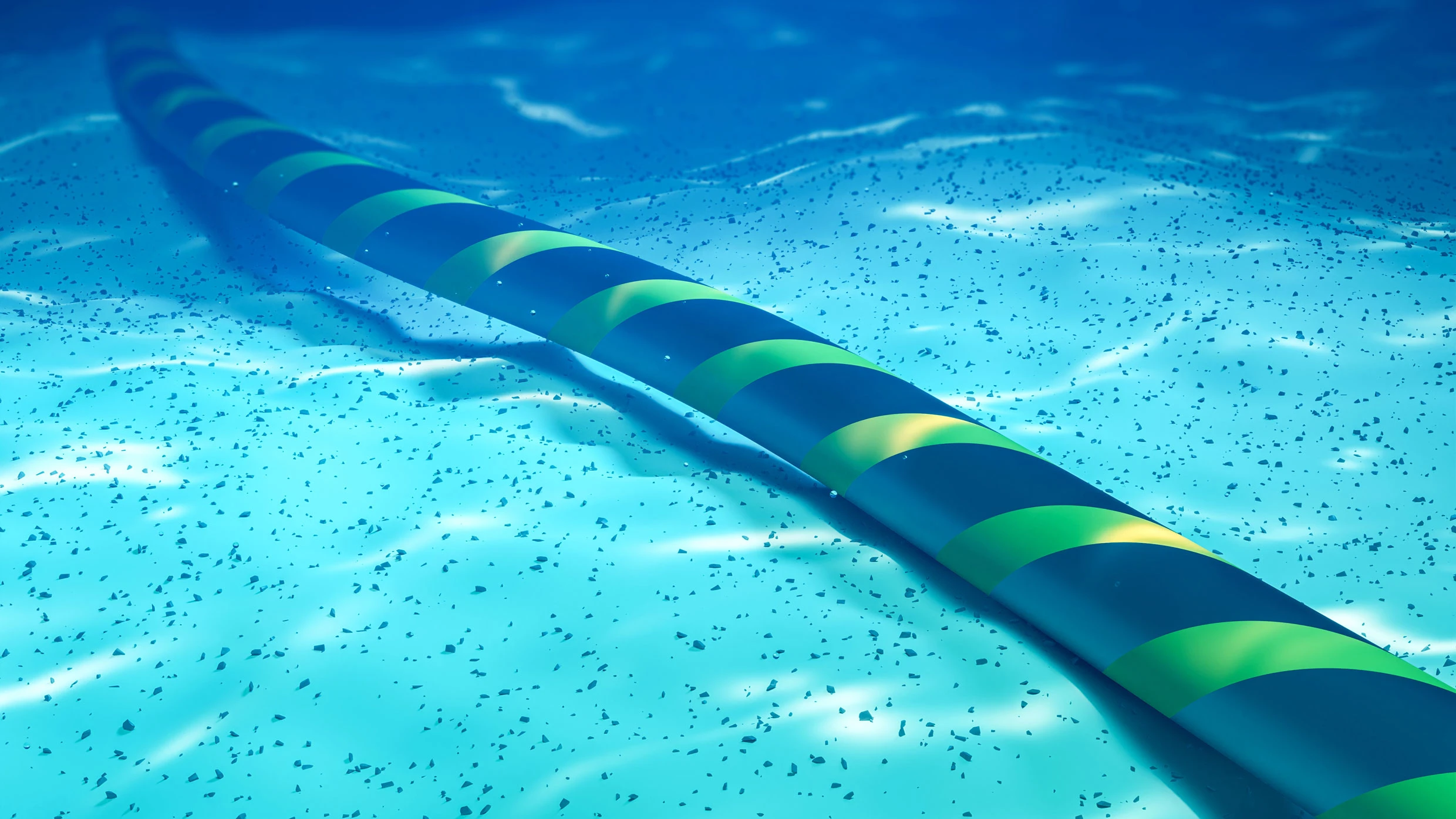
Red Sea Cable Disruptions Highlight Global Internet Vulnerabilities & spur Search for Alternatives
Recent disruptions to critical undersea internet cables in the Red Sea are exposing the fragility of the global network and accelerating the search for more resilient connectivity solutions. These aren’t isolated incidents; they represent a growing threat to the infrastructure that powers our digital world.Understanding the situation, its causes, and the emerging alternatives is crucial for businesses and individuals alike.
the Red Sea Crisis: A Perfect Storm
The current issues stem from increased anchor activity in the Red Sea, a vital chokepoint for global shipping. Many vessels are waiting their turn to transit the Suez Canal, and are forced to anchor in relatively shallow waters. This practice creates a risky situation,as numerous anchors pose a significant risk to the subsea cables running along the seabed.
Specifically, damage to multiple cables is hindering data transmission between Asia and Europe. Repair efforts are complicated by the ongoing conflict off the coast of Yemen, involving the Houthis, which slows down access and increases risk for repair crews. As many as 200 incidents are reported annually, demonstrating the frequency of these disruptions.
Why Subsea Cables Matter: The Backbone of the Internet
You might be surprised to learn just how reliant we are on these underwater cables. They carry an remarkable 99% of global internet traffic. While satellites play a role, subsea cables remain the dominant force in international data transmission.
Here’s a speedy comparison of their capacity:
Subsea Cables: Can carry up to three petabits of data per second.
Satellites: Currently handle around 150 terabits per second.
Planned satellite launches aim to increase capacity to 800 terabits per second within the next three years, but cables still hold a significant advantage. They provide the sheer bandwidth needed for modern internet usage, including streaming, cloud computing, and global commerce.
The Rise of Satellite Internet: A Promising Backup
Given the vulnerabilities of subsea cables, interest in alternative solutions is surging. Satellite internet, particularly Low earth Orbit (LEO) constellations, is emerging as a key contender.Several players are vying for dominance in this space:
Starlink: Already boasts over six million subscribers worldwide and has proven invaluable in providing connectivity during crises, like in Ukraine where it countered Russian sabotage.
Project Kuiper: Amazon’s ambitious project is rapidly expanding its satellite network.
Eutelsat OneWeb: Another major competitor focused on global coverage.
In regions like sub-Saharan Africa, Starlink is already a vital backstop when traditional internet access fails. Outages like those in the Red Sea could accelerate adoption in markets where users prioritize reliability, even at a premium cost. However, the initial investment – kits costing several hundred dollars and higher monthly fees – currently limits widespread adoption, especially in lower-income areas.
What Does this Mean for You?
These disruptions highlight the need for a multi-layered approach to internet connectivity. While satellites offer a valuable alternative,they aren’t a complete replacement for fiber optic cables.
Here’s what you should consider:
Increased Resilience: Expect to see more investment in diversifying internet routes and protecting subsea infrastructure.
Hybrid Solutions: Businesses may increasingly adopt hybrid connectivity models, combining fiber optic cables with satellite internet for redundancy.
Potential for Higher Costs: the cost of internet access could rise as providers invest in more resilient infrastructure.
* Geopolitical Implications: The security of subsea cables is becoming a growing geopolitical concern, with nations seeking to protect their critical infrastructure.Ultimately, the Red Sea cable disruptions serve as a wake-up call. They underscore the importance of a robust, diversified, and secure global internet infrastructure. While subsea cables will remain the backbone for the foreseeable future, satellite technology is poised to play an increasingly important role in ensuring reliable connectivity for everyone.





