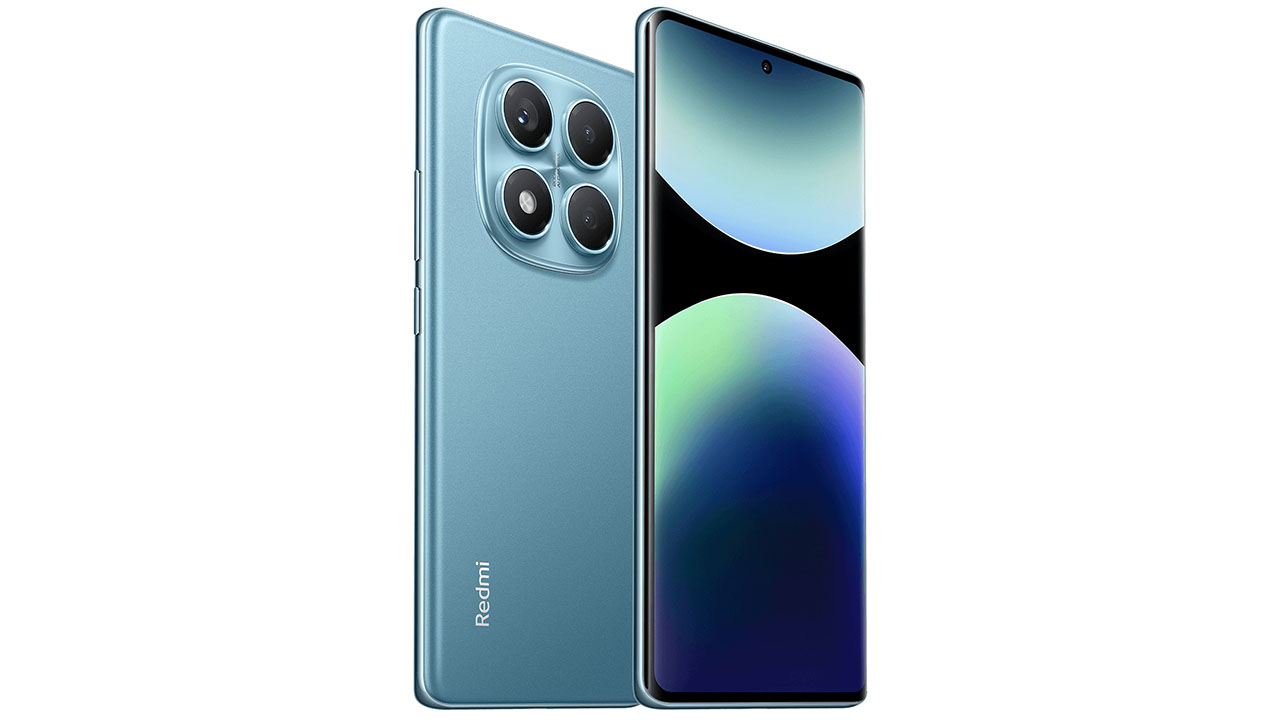
The mid-range smartphone market has long been a battleground of trade-offs, where users typically sacrifice camera quality for battery life or performance for price. However, the Redmi Note 14 Pro is attempting to rewrite that narrative. As we move through April 2026, the device is gaining significant traction globally, positioning itself as a professional-grade tool for users who require high-end imaging capabilities without the flagship price tag.
For many consumers, the Redmi Note 14 Pro price advantage is not just about a lower number on a sticker, but about the sheer volume of “Pro” features packed into a device that remains accessible. By integrating a massive 200 MP sensor and high-durability materials, Xiaomi is targeting a demographic of “prosumers”—individuals who need a reliable workhorse for content creation, mobile productivity, and daily durability.
From a technical perspective, the device represents a strategic shift. Rather than offering incremental updates, the Note 14 Pro focuses on three critical pillars: imaging excellence, structural resilience, and sustained power. This combination makes it a compelling alternative to more expensive alternatives, especially for those who prioritize photography and screen longevity.
A Professional Imaging Powerhouse: The 200 MP AI System
The centerpiece of the Redmi Note 14 Pro is undoubtedly its 200 MP professional-grade AI camera system. According to Xiaomi’s official technical specifications, the main camera utilizes a large 1/1.4-inch sensor with an f/1.65 wide aperture and 7P lens construction. This hardware allows the device to capture significantly more light, which is critical for the “pure night shots” the company emphasizes.
Beyond the raw megapixel count, the integration of Optical Image Stabilization (OIS) ensures that handheld shots remain sharp, reducing the blur often associated with mid-range sensors. The device similarly leverages the Xiaomi Imaging Engine, which uses AI-supported algorithms to enhance color vibrancy and detail. One of the most practical additions is the optical-level lossless zoom, allowing users to switch between 2× and 4× magnification without the typical pixelation seen in digital crops.
The camera array is rounded out by an 8 MP ultra-wide lens for landscapes and a 2 MP macro lens for close-up detail, while a 32 MP front-facing camera handles high-resolution selfies and video calls. To further enhance the post-production process, Xiaomi introduced the AI-powered Pro Eraser tool via an OTA update in February 2025, allowing users to remove unwanted objects from their photos with a simple touch.
Performance, Durability, and Display Engineering
Under the hood, the Redmi Note 14 Pro is powered by the MediaTek Helio G100-Ultra chipset. This processor is designed to balance energy efficiency with the processing power required to handle the 200 MP image pipeline and multitasking demands of modern apps. This hardware foundation supports a 120 Hz eye-protection screen, which provides fluid scrolling and reduced eye strain during prolonged use.
Durability is another area where the Note 14 Pro distinguishes itself from its predecessors. The device is equipped with Corning® Gorilla® Glass Victus® 2, one of the most resilient glass options available for smartphones. This choice of material significantly reduces the likelihood of screen cracks and scratches, making the device more suitable for users in demanding environments or those who prefer not to use bulky protective cases.
Technical Specifications Overview
| Feature | Specification |
|---|---|
| Main Camera | 200 MP AI with OIS (1/1.4″ sensor, f/1.65) |
| Processor | MediaTek Helio G100-Ultra |
| Battery & Charging | 5500 mAh / 45W Turbo Charge |
| Display | 120 Hz Eye-Protection Screen |
| Protection | Corning® Gorilla® Glass Victus® 2 |
| Front Camera | 32 MP Crystal Clear |
Sustaining Power: Battery Life and Charging Efficiency
To support its high-resolution screen and AI-heavy camera system, Xiaomi has equipped the Redmi Note 14 Pro with a 5500 mAh battery. In a market where 5000 mAh has become the standard, this additional capacity provides a meaningful buffer for power users who rely on their phones for navigation, photography, and streaming throughout the day.
Charging is handled by a 45W turbo charging system, as verified by official product data. While not the fastest charging in the entire Xiaomi ecosystem, the 45W rate provides a balanced approach that minimizes battery degradation over time while still allowing the device to reach usable levels of charge in a short window.
The synergy between the Helio G100-Ultra’s efficiency and the expanded battery capacity means that the Redmi Note 14 Pro is well-positioned for long-term endurance. What we have is particularly beneficial for travelers and professionals who cannot always be tethered to a power outlet.
Market Impact: Why the “Price Advantage” Matters Now
The conversation surrounding the Redmi Note 14 Pro in April 2026 centers on the democratization of high-end photography. For years, 200 MP sensors and OIS were reserved for “Ultra” or “Pro Max” models that often cost over $1,000. By bringing these features to the Note series, Xiaomi is effectively lowering the barrier to entry for mobile photography.
This shift affects several stakeholders:
- Content Creators: Aspiring influencers and vloggers can now access lossless zoom and RAW algorithms without a massive initial investment.
- Enterprise Users: The combination of Gorilla Glass Victus 2 and a long-lasting battery makes it a viable option for corporate fleet deployments.
- Budget-Conscious Consumers: Users who want a “future-proof” device that won’t feel obsolete in 12 months due to outdated camera tech.
The inclusion of RAW algorithms for night photography further elevates the device, allowing advanced users to pull more detail out of the shadows during post-processing—a feature typically absent in budget-friendly devices.
Final Verdict: A Strategic Mid-Range Choice
The Redmi Note 14 Pro does not strive to be everything to everyone; instead, it doubles down on the features that matter most to the modern mobile user: a stunning camera, a durable build, and a battery that lasts. By focusing on the 200 MP AI system and the resilience of Gorilla Glass Victus 2, it carves out a niche as a “professional’s budget phone.”
For those evaluating their options in the current market, the value proposition is clear. The device offers a bridge between entry-level smartphones and luxury flagships, providing a high-tier experience at a price point that remains competitive.
As Xiaomi continues to roll out software optimizations and AI tools via OTA updates, the device is expected to evolve in functionality long after the initial purchase. Users looking for the latest official updates and support can visit the Xiaomi official product page.
We will continue to monitor Xiaomi’s software roadmap for further AI enhancements to the imaging engine. Share your thoughts in the comments below: does a 200 MP camera make a mid-range phone a “must-buy” for you?
Worth a look