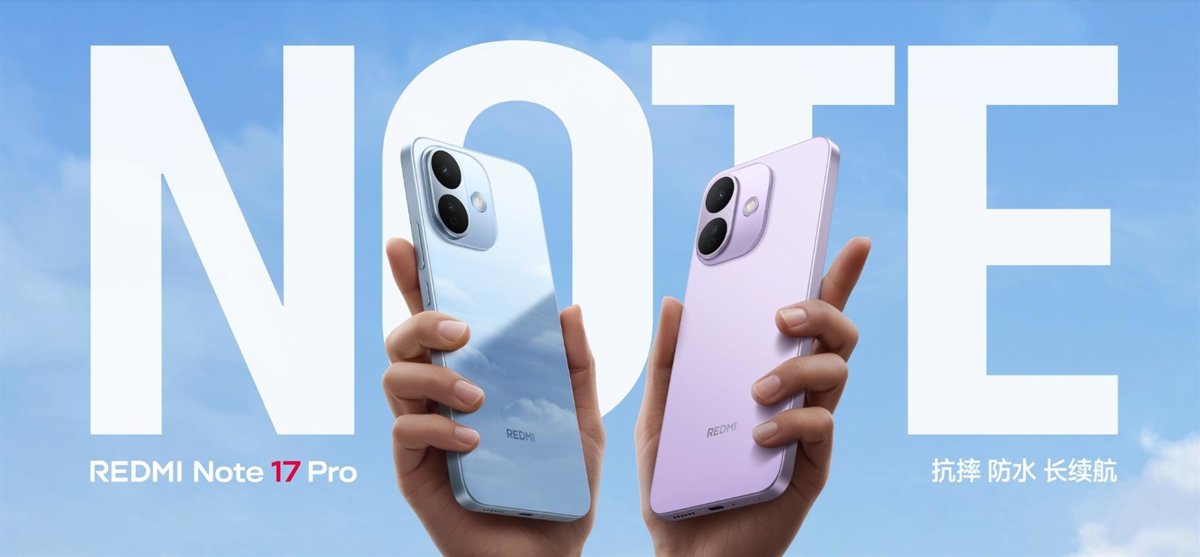
The smartphone market is shifting toward extreme durability and extended battery life, as demonstrated by the latest developments in the Redmi Note series. Recent industry reports indicate that the upcoming Redmi Note 17 Pro is designed to withstand drops from heights of up to 3 meters, while also featuring a high-capacity 9,000mAh battery intended to provide up to two days of continuous operation on a single charge. These specifications represent a significant departure from standard mid-range mobile hardware, which typically prioritizes slim profiles over physical resilience and massive power cells.
As a technology editor, I have monitored the evolution of Xiaomi’s sub-brand for nearly a decade. The Redmi Note series has historically served as a benchmark for balancing cost and performance. By integrating a 9,000mAh battery—nearly double the capacity of the current industry average of 5,000mAh—the manufacturer appears to be targeting users in regions where reliable daily charging is not always guaranteed, or power users who require multi-day endurance for professional fieldwork. The structural integrity claimed for the device suggests an reinforced chassis, likely utilizing advanced composite materials or specialized tempered glass to survive impact forces from 3-meter falls.
Engineering for Durability and Power Density
The primary technical challenge in developing a device with a 9,000mAh battery is managing the physical footprint and thermal output. Standard lithium-ion batteries are volume-intensive; to house such a large cell while maintaining a usable form factor, engineers often rely on high-density silicon-carbon anode technology. This battery chemistry has seen increased adoption by major manufacturers to shrink battery size without sacrificing capacity. According to Qualcomm’s insights into mobile power management, optimizing the power draw of the System-on-Chip (SoC) is just as critical as the physical battery size when aiming for two-day usage cycles.
Regarding the drop resistance, the 3-meter threshold is notably higher than the industry-standard “drop tests” performed by most manufacturers, which usually simulate falls from pocket or head height (approximately 1.5 to 1.8 meters). Achieving this level of durability usually requires a combination of an internal metal skeleton and a shock-absorbent frame. While official IP ratings for water and dust resistance have not been confirmed for the Note 17 Pro, the emphasis on impact survival suggests a focus on ruggedized hardware design, similar to devices found in the industrial “tough phone” category.
Market Context and Strategic Positioning
Xiaomi has maintained a consistent release cadence for its Redmi Note line, typically updating the hardware annually to integrate the latest mid-range processors from companies like MediaTek and Qualcomm. The Redmi Note 17 Pro follows a trajectory of incremental hardware improvements. Analysts often look to the official Xiaomi warranty and support documentation to understand how such hardware claims are covered under consumer protection policies, as extreme durability claims can often lead to nuanced warranty limitations regarding accidental damage.
For the global consumer, the inclusion of a 9,000mAh battery may introduce trade-offs in weight and charging speed. Charging a battery of this size requires high-wattage power delivery—likely 67W or higher—to ensure that the “two-day” endurance does not come at the cost of excessive downtime while plugged in. Users should look for official certifications in their respective markets, as regional variations in hardware configurations are common for the Redmi series.
What Consumers Should Monitor Next
The next major milestone for the Redmi Note 17 Pro will be the official regional announcement and the publication of detailed technical specifications, including the specific SoC and camera sensor array. Potential buyers should monitor the official Xiaomi Global newsroom for the confirmed release schedule and specific market availability, as global rollout phases often vary significantly by country. In the interim, independent durability testing by third-party reviewers will be the most reliable metric for verifying the 3-meter drop resistance claim.
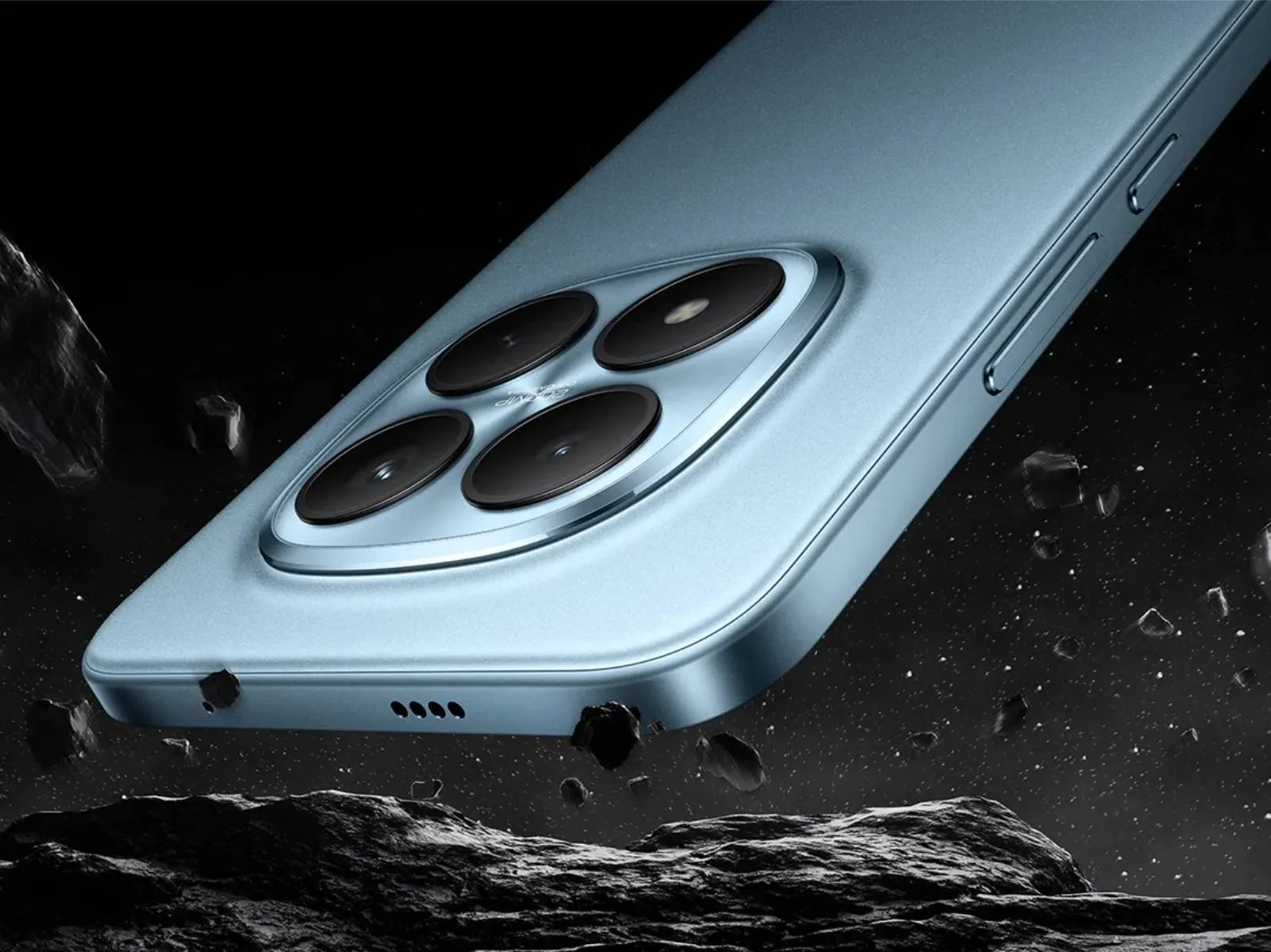
The shift toward “rugged-lite” smartphones suggests that consumer demand is moving away from fragile, ultra-thin designs and toward hardware that offers longevity and reliability. If you are interested in how these hardware shifts impact your daily mobile experience, or if you have questions regarding the implications of high-density battery technology, please join the conversation in the comments section below. Your feedback helps us track which features matter most to our global readership.
Related reading