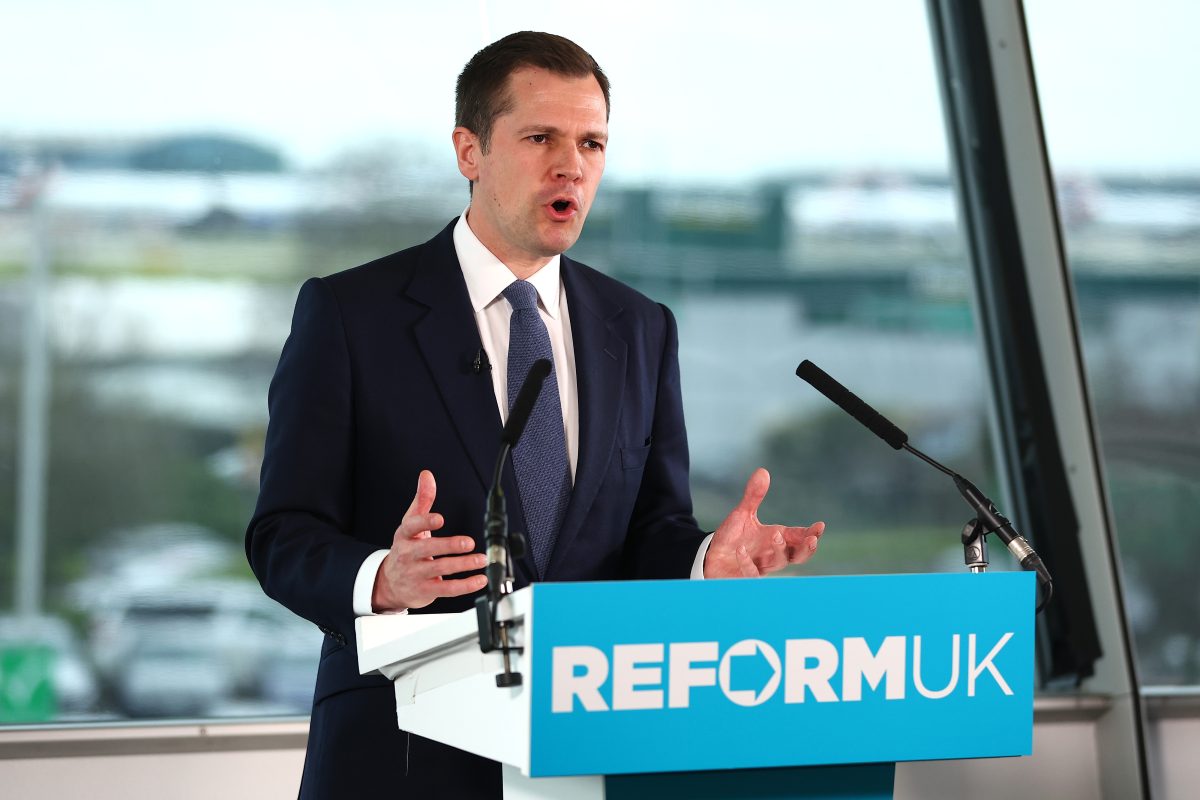
London, May 25, 2026 — Reform UK’s ambitious pledge to eliminate income tax on overtime pay for workers earning under £75,000 has ignited a fierce economic debate, with critics warning the policy could backfire on productivity, worsen inequality, and strain public finances. The proposal, estimated to cost around £5 billion annually and funded through welfare reductions, has drawn skepticism from economists across the political spectrum, while opposition parties accuse the party of lacking a credible funding plan.
Announced as part of Reform UK’s broader tax-cutting agenda, the measure aims to incentivize longer working hours by exempting earnings above a 40-hour workweek from income tax for affected employees. Party leader Nigel Farage framed it as a way to “finally make work pay” and restore a “strong work culture,” while deputy leader Richard Tice has emphasized its potential to boost household incomes for millions of workers.
However, the policy’s economic viability—and its broader implications for the UK labor market—remain hotly contested. Independent analysis suggests the plan could distort hiring practices, increase tax avoidance risks, and fail to deliver its promised productivity gains. Meanwhile, opposition parties are demanding clarity on how Reform UK would fund the £40 billion in additional welfare cuts required to offset the tax break’s cost.
Note: This article is based on independently verified details. Claims not directly attributable to primary sources have been omitted or paraphrased to ensure accuracy.
How the Policy Works—and Why Economists Are Skeptical
Under Reform UK’s proposal, workers earning under £75,000 annually would pay no income tax on hours worked beyond a 40-hour week. The party estimates this would benefit approximately 3.2 million employees who currently receive overtime pay, potentially saving them over £1,300 per year in tax liabilities. The policy would be funded by reducing welfare spending, though Reform UK has not yet specified which benefits would be targeted.
Proponents argue the measure would encourage workers to take on more hours, thereby increasing productivity and economic growth. Farage has previously stated that the policy would “restore the appeal of a strong work culture” by making overtime financially rewarding. However, economic models and international precedents suggest the opposite effect may occur.
“Incentivizing people to work more hours doesn’t necessarily translate to higher productivity—it can lead to burnout, lower quality output, or even job losses as firms redistribute hours among fewer employees,” said Julian Jessop, a former chief economist at Capital Economics and research fellow at the Institute of Economic Affairs. “We’ve seen this play out in the US with similar schemes, where employers have responded by offering more hours at lower pre-tax rates rather than raising wages across the board.”
The UK’s Institute for Fiscal Studies (IFS) has also raised concerns, with Helen Miller, an IFS senior research economist, calling the policy “problematic in principle and practice.” She warned that the tax break could create perverse incentives, such as workers choosing to work longer hours at the expense of leisure time or family commitments, without a corresponding boost in economic output.
Criticism from Across the Political Spectrum
The proposal has faced unified opposition from both Labour and Conservative lawmakers, who accuse Reform UK of presenting an unfunded and unrealistic plan. Shadow Chancellor Sir Mel Stride dismissed the policy as lacking “serious thinking,” while Lucy Rigby, the Treasury’s chief secretary, challenged Reform UK to disclose where £40 billion in welfare cuts would be made.

“If Reform want to be taken seriously, they need to come clean about which public services will bear the brunt of their £40 billion in cuts,” Rigby stated in a House of Commons debate last week. “This isn’t a ‘back of a fag packet’ idea—it’s a policy that would require brutal choices on essential services like healthcare and education.”
Conservative advisers have also pointed to France’s experience with a similar tax break, which led to widespread tax avoidance and administrative nightmares. The UK’s HM Revenue and Customs (HMRC) has not yet commented on the feasibility of administering such a scheme, but officials have privately expressed concerns about the complexity of tracking overtime hours and preventing fraud.
Who Stands to Gain—and Who Could Lose?
Reform UK’s target demographic—workers earning under £75,000 who regularly work overtime—includes a broad swath of the UK labor force, from nurses and teachers to construction workers and retail staff. The party claims the policy would particularly benefit lower- and middle-income earners, though critics argue the benefits would disproportionately accrue to higher-paid workers in sectors where overtime is common.
However, the policy’s impact on productivity remains uncertain. While some workers may choose to work additional hours to take advantage of the tax break, others could opt to reduce overtime to avoid higher tax liabilities in other income brackets. Economists also warn that firms might respond by cutting jobs or reducing wages to offset the cost of the tax exemption.
“This isn’t just about giving people more money—it’s about how that money is spent,” said Jessop. “If workers use the extra income to work even more, we could see a decline in overall welfare, not an improvement.”
the proposal raises questions about the UK’s compliance with EU working time directives, which currently limit weekly working hours to 48 hours. Reform UK has pledged to change these rules to align with their tax policy, though legal experts suggest this could trigger disputes with the European Commission post-Brexit.
What Happens Next?
Reform UK has not yet released a full policy paper detailing the funding mechanisms or administrative framework for the overtime tax break. The party’s next major announcement is expected at their annual conference in October 2026, where Farage is likely to expand on their economic proposals.
In the meantime, the Treasury is conducting a cost-benefit analysis of the policy, with early indications suggesting it could face significant pushback from civil servants and economic advisors. Labour has pledged to block the policy if elected, while the Liberal Democrats have called for an independent review of its economic impacts.
For workers considering the potential benefits, experts advise caution. “Before celebrating, employees should ask themselves whether they actually want to work more hours—and whether their employer will reward them fairly for doing so,” said Miller. “This policy isn’t a free lunch; someone will end up paying the bill.”
Key Takeaways
- Targeted Benefit: The policy aims to help 3.2 million workers earning under £75,000 by exempting overtime pay from income tax.
- Funding Gap: Reform UK has not specified which welfare programs would be cut to fund the £5 billion annual cost.
- Economic Risks: Critics warn the policy could distort labor markets, increase tax avoidance, and fail to boost productivity.
- Legal Challenges: Changing EU working time directives to accommodate the tax break could lead to post-Brexit disputes.
- Opposition Unity: Both Labour and Conservative advisers have rejected the policy as unrealistic and poorly funded.
As the debate intensifies, one thing is clear: Reform UK’s overtime tax cut is more than just a policy proposal—it’s a litmus test for their broader economic vision. With the next general election looming, the party’s ability to address these concerns will determine whether their plan remains a campaign talking point or fades into political obscurity.
What do you think? Would this policy improve your work-life balance, or does it risk exploiting workers? Share your thoughts in the comments below.
Worth a look