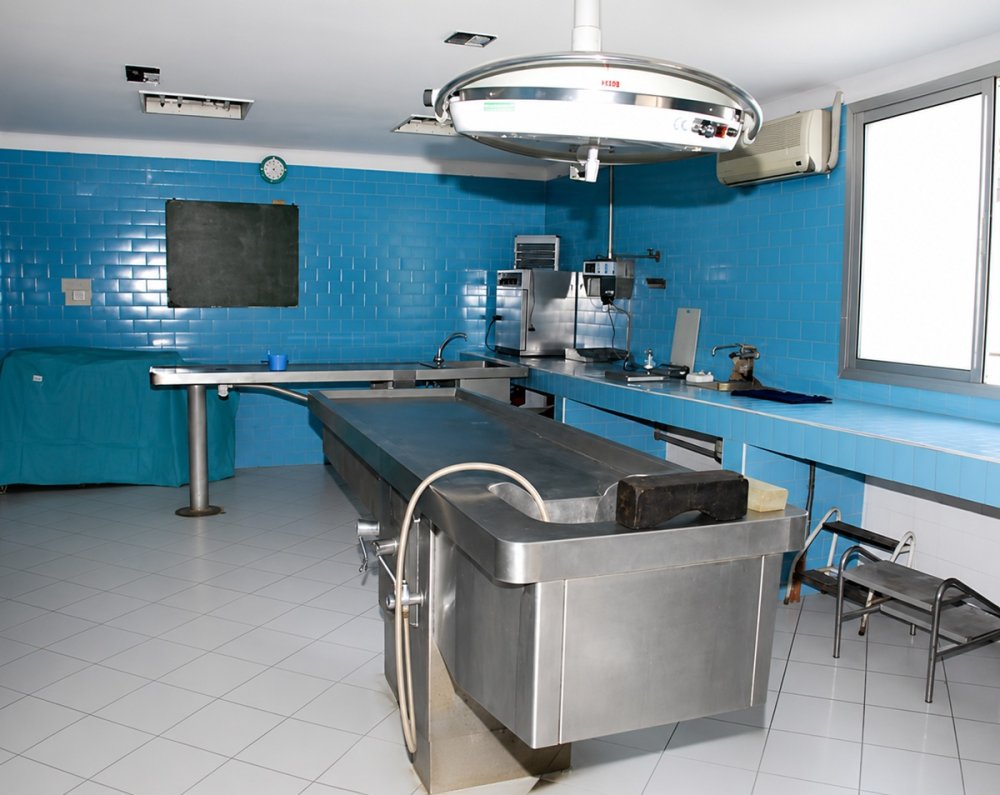
Morocco currently has only 28 specialized forensic pathologists to serve a population of over 37 million people, according to data presented by a Moroccan parliamentary commission. This critical shortage has led lawmakers to call for an urgent national plan to overhaul the country’s forensic medicine system to prevent judicial delays and ensure the integrity of criminal investigations.
The scarcity of forensic experts creates a systemic bottleneck in the Moroccan legal process. Forensic pathology is the primary tool for determining the cause of death in suspicious or violent circumstances, and the current ratio of doctors to citizens means that many autopsies are delayed or conducted by general practitioners without specialized training in forensic science.
Members of the parliamentary commission argue that the lack of specialists undermines the right to a fair trial and slows the administration of justice. When forensic reports are delayed or lack the precision provided by a specialist, the judiciary faces challenges in establishing the exact circumstances of a crime, which can lead to prolonged pretrial detention or flawed verdicts.
Impact of Forensic Shortages on the Moroccan Judicial System
The shortage of forensic pathologists directly affects the speed and accuracy of criminal proceedings. In Morocco, the Public Prosecutor’s Office relies on these medical reports to decide whether to pursue charges in cases of suspected homicide, medical malpractice, or sudden death. With only 28 specialists nationwide, the burden of work per doctor is unsustainable, often leading to significant backlogs in autopsy reports.
According to the parliamentary commission, this gap in medical expertise often results in “forensic voids,” where the lack of a specialist’s signature or detailed analysis leaves a case vulnerable to legal challenges. The commission emphasizes that forensic medicine is not merely a medical service but a cornerstone of the judicial chain, linking the crime scene to the courtroom.
The current situation forces a reliance on non-specialists. While general physicians can perform basic examinations, they lack the advanced training in pathology and toxicology required to identify subtle indicators of poisoning, specific trauma patterns, or complex biological markers that a certified forensic pathologist would detect. This discrepancy increases the risk of misdiagnosing the cause of death, which can have permanent legal consequences for both victims and the accused.
Proposed Reforms and the Call for an Emergency Plan
The parliamentary commission is advocating for a comprehensive “emergency plan” to modernize the sector. The primary objective is to increase the number of forensic specialists through targeted medical scholarships and the creation of dedicated residency programs. Lawmakers suggest that the state must provide stronger incentives for medical students to specialize in forensic pathology, a field that is often overlooked in favor of more lucrative private practices.

Beyond personnel, the commission highlights the need for a technological upgrade. Many Moroccan morgues and laboratories lack the modern equipment necessary for advanced toxicology and DNA analysis. A modernized system would include:
- The establishment of regional forensic centers to decentralize expertise from major cities like Rabat and Casablanca.
- Investment in digital pathology and automated analysis tools to speed up report generation.
- Formalized partnerships between university hospitals and the Ministry of Justice to streamline the request-and-report process.
The proposed reforms also aim to clarify the legal status of the forensic pathologist. By formalizing the role and providing better protections and salaries, the government hopes to attract a new generation of doctors to the field. The commission argues that the current instability of the profession makes it unattractive to young physicians, further exacerbating the shortage.
Comparing Forensic Capacity and Global Standards
When compared to international benchmarks, Morocco’s count of 28 specialists is exceptionally low. While many developing nations face similar challenges, the disparity in Morocco is particularly acute given the country’s aspirations to modernize its judicial system and align with international human rights standards regarding the “right to truth” for victims’ families.
In many European or North American jurisdictions, forensic pathology is a robustly funded sub-specialty with dedicated institutes. In contrast, the Moroccan model has historically integrated forensic duties into general hospital pathology departments, which often prioritizes clinical diagnostics over medico-legal autopsies. This structural overlap has contributed to the invisibility of the forensic shortage until the recent parliamentary intervention.
The commission’s findings suggest that the lack of a dedicated “National Forensic Strategy” has left the country reactive rather than proactive. By treating forensic medicine as a secondary medical service rather than a primary judicial requirement, the state has allowed a gap to form that now threatens the efficiency of the entire penal system.
Next Steps for the Moroccan Parliament
The commission’s recommendations are expected to be integrated into a broader legislative review of the health and justice sectors. The next confirmed checkpoint will be the submission of the commission’s final report to the government, which will trigger a formal response from the Ministry of Health and the Ministry of Justice regarding the budget and timeline for the proposed emergency plan.
Readers interested in the evolution of Morocco’s legal and health reforms can follow official government gazettes for updates on new medical residency quotas and the allocation of funds for regional forensic centers.
Do you believe the lack of specialized medical experts is a critical flaw in judicial systems globally? Share your thoughts in the comments below or share this article to join the conversation on legal reform.