In a candid reflection on one of Nintendo’s most controversial hardware launches, former Nintendo of America president Reggie Fils-Aimé has shared unprecedented insights into why the Wii U failed to resonate with consumers—and how those lessons directly influenced the company’s eventual success with the Nintendo Switch. Speaking at a recent Q&A event at New York University’s Game Center, Fils-Aimé offered a rare behind-the-scenes look at the strategic miscalculations that defined the Wii U era, while also revealing the unexpected role of the NES Mini in Nintendo’s survival strategy.
The Wii U, released in 2012, was Nintendo’s ambitious attempt to bridge the gap between home consoles and handheld gaming with its innovative “10-foot experience”—a concept centered around the GamePad’s touchscreen capabilities. Yet despite its technical promise and a roster of critically acclaimed titles like The Legend of Zelda: Breath of the Wild and Mario Kart 8, the system became one of Nintendo’s biggest commercial disappointments, outsold only by the ill-fated Virtual Boy. Fils-Aimé’s remarks provide the clearest explanation yet for why the console struggled—and how Nintendo learned from its mistakes.
For gaming industry observers and fans alike, the Wii U’s failure remains a pivotal case study in hardware innovation. Fils-Aimé’s revelations—including the admission that Nintendo “realized during the second year that the Wii U ultimately wasn’t going to catch on with consumers”—offer a rare glimpse into the internal reckoning that followed the console’s launch. What follows is a detailed breakdown of the key factors behind the Wii U’s struggles, the strategic pivot to retro hardware, and the lasting impact on Nintendo’s future product roadmap.
Why the Wii U Failed: The Three Critical Missteps
Fils-Aimé identified three primary reasons for the Wii U’s commercial failure, each rooted in a combination of market timing, competitive pressure, and internal execution challenges:
Sony and Microsoft
Unfulfilled Product Pipeline: Despite Nintendo’s ambitious plans, the pace of new software releases failed to materialize on the timeline needed to sustain consumer interest. Fils-Aimé acknowledged that “the pace of new products we had seen on paper did not materialize on the timetable that we needed,” leaving the system with a shallow library in its critical early months.
Market Misalignment: The Wii U’s core innovation—the GamePad’s hybrid functionality—proved difficult to market effectively. While Nintendo envisioned it as a bridge between couch and handheld gaming, consumers struggled to spot its unique value proposition compared to traditional controllers. Fils-Aimé admitted the system’s marketing “didn’t resonate” with the target audience, a rare admission of misjudgment from Nintendo’s leadership.
Competitive Pressure: By the time the Wii U launched, Sony and Microsoft had already established dominant positions with the PlayStation 4 and Xbox One, respectively. Nintendo found itself playing catch-up in a market where hardware wars had shifted toward raw power and online connectivity—areas where the Wii U was intentionally positioned as a niche alternative.
The combination of these factors created a perfect storm. The Wii U’s launch library, though strong, was overshadowed by the sheer volume of titles available on competing systems. Meanwhile, the GamePad’s potential—once hailed as a revolutionary accessory—became a liability when developers struggled to fully exploit its capabilities, leaving many games feeling like “afterthoughts” rather than core experiences.
The ’10-Foot Experience’ That Never Materialized
At the heart of the Wii U’s conceptual failure was Nintendo’s “10-foot experience,” a vision for gameplay that blended local multiplayer on the big screen with secondary interactions on the GamePad. Fils-Aimé described this as a “big idea” that could have redefined how players engaged with Nintendo’s franchises. However, the execution fell short in critical ways:
“We believed that it would create opportunities for different types of gameplay, where you could be playing what’s happening on the big screen together, like in Mario Kart, or you could play a different type of game where one person is having a slightly different experience than everyone else.”
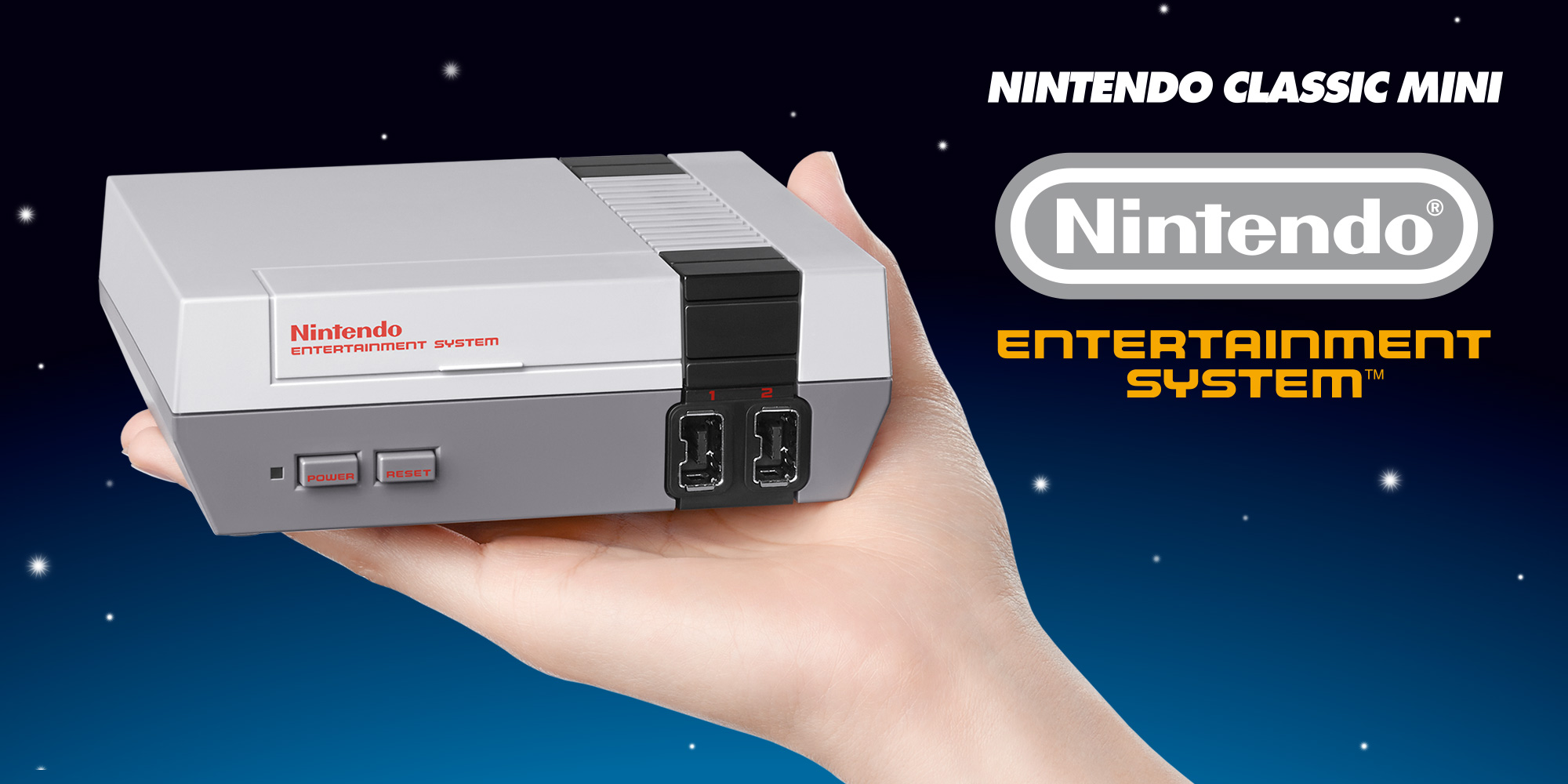
Mini
—Reggie Fils-Aimé, former Nintendo of America president
Yet despite this vision, the actual output—most notably NintendoLand, the launch title designed to showcase the GamePad’s potential—failed to deliver the same level of engagement as Wii Sports had for the original Wii. Fils-Aimé’s candid remark—that he “didn’t stand up and say, ‘Boy, this software isn’t working for me,’ but you secure that little itch in the back of the neck that says, ‘Ehh… This isn’t Wii Sports'”—underscores the disconnect between Nintendo’s ambitions and the reality of consumer reception.
This misalignment wasn’t just a software issue. it reflected a broader failure to articulate the GamePad’s unique value. While titles like Zelda: Breath of the Wild and Splatoon later proved the hardware’s capabilities, they arrived too late to salvage the Wii U’s commercial prospects.
The NES Mini: Nintendo’s Strategic Pivot
As the Wii U’s prospects dimmed, Nintendo made a bold pivot: the release of the NES Mini and SNES Mini in 2016. Far from being a mere nostalgia play, these retro consoles served as a calculated move to “sustain the business” during a period of transition. Fils-Aimé confirmed that Nintendo recognized by its second year that the Wii U “wasn’t going to catch on,” and the mini consoles became a way to generate revenue while the company regrouped.
The NES Mini: Nintendo's Strategic Pivot
What makes this pivot particularly interesting is its unintended consequences. The NES Mini, in particular, became a surprise hit, reigniting interest in Nintendo’s classic franchises and proving that there was still demand for the brand’s intellectual property. This success provided Nintendo with the financial breathing room to develop the Switch—a console that would eventually correct many of the Wii U’s missteps.
A Lesson in Adaptability: How Wii U’s Failure Led to Switch’s Success
The Wii U’s failure wasn’t just a commercial setback; it was a masterclass in how a company can pivot from failure to innovation. By analyzing the Wii U’s shortcomings, Nintendo identified three key areas for improvement:
Hybrid Hardware Design: The Switch’s detachable Joy-Cons refined the Wii U’s hybrid concept, offering a more intuitive and flexible gaming experience without the same marketing challenges.
Software Focus: Nintendo shifted its development priorities to ensure a robust launch library, with titles like Mario Odyssey and The Legend of Zelda: Breath of the Wild demonstrating the system’s capabilities from day one.
Market Positioning: Rather than positioning the Switch as a niche alternative, Nintendo framed it as a versatile platform for both home and portable gaming, appealing to a broader audience.
Fils-Aimé’s insights into the Wii U’s failure are particularly timely given Nintendo’s current trajectory. With the Switch now entering its second generation and the company exploring new hardware innovations, the lessons from the Wii U era remain relevant. The Wii U wasn’t just a failed product; it was a crucible that forced Nintendo to rethink its approach to hardware design, marketing, and software strategy.
What Happens Next? Nintendo’s Roadmap in the Post-Wii U Era
While Fils-Aimé’s remarks provide valuable context on the Wii U’s past, they also offer clues about Nintendo’s future direction. The company’s recent emphasis on indie games, digital distribution, and subscription services suggests This proves building on the adaptability demonstrated during the Wii U era. Key developments to watch include:
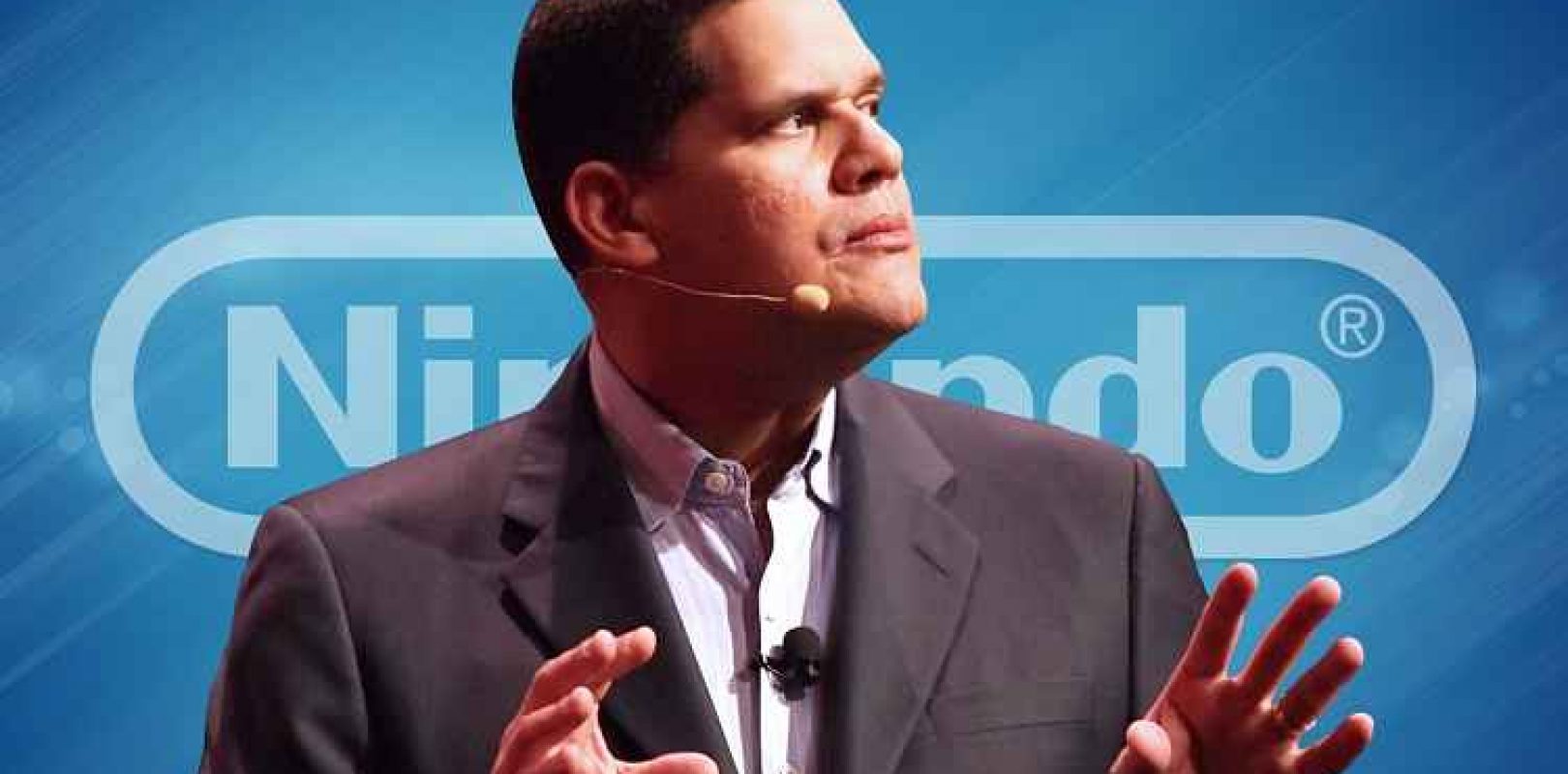
Reggie FINALLY Explains Why The Wii U Failed…
The evolution of the Switch’s software ecosystem, with Nintendo continuing to invest in first-party titles that showcase hybrid gameplay.
Potential hardware innovations, including rumors of a next-generation console that may incorporate lessons from both the Wii U and Switch.
The role of retro IP in Nintendo’s long-term strategy, with the NES Mini’s success paving the way for future re-releases or enhanced editions of classic games.
For fans and industry watchers, the Wii U’s story is far from over. Its legacy lives on in the Switch’s design philosophy and Nintendo’s renewed focus on innovation. As Fils-Aimé noted, “Wii U was the second worst-performing platform for Nintendo. Second only to the Virtual Boy.” Yet out of that failure emerged one of the most successful consoles in gaming history—a testament to Nintendo’s ability to learn, adapt, and ultimately triumph.
Key Takeaways: The Wii U’s Lessons for Gaming Hardware
Innovation Requires Clear Value Proposition: The Wii U’s GamePad was technically impressive, but its unique selling points weren’t effectively communicated to consumers.
Software is King: A strong launch library is critical for hardware success, and Nintendo’s initial delays with Wii U titles contributed to its struggles.
Market Timing Matters: The Wii U launched in an era dominated by Sony and Microsoft, making it difficult to compete on traditional hardware metrics.
Pivoting Can Save a Company: The NES Mini and SNES Mini weren’t just nostalgia plays—they were strategic moves that kept Nintendo afloat during a transitional period.
Failure is a Teacher: The Wii U’s shortcomings directly informed the Switch’s design, proving that even setbacks can lead to long-term success.
As Nintendo continues to evolve, the Wii U’s story serves as a reminder that in the gaming industry, resilience and adaptability often outweigh initial commercial success. For fans, the lessons from the Wii U era offer a deeper appreciation for how Nintendo’s current and future products are shaped by both triumph and failure.
What do you think? Were the Wii U’s struggles inevitable, or could Nintendo have saved it with a different approach? Share your thoughts in the comments below—or tag @WorldTodayJournal to continue the discussion.