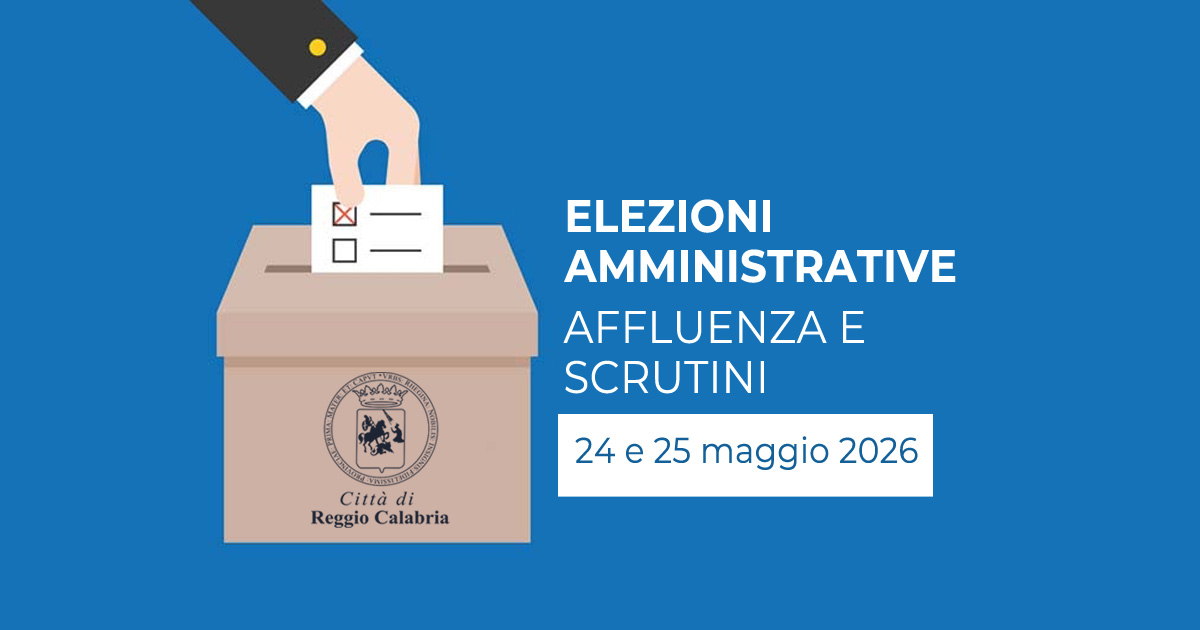
As the political landscape in Italy shifts toward another cycle of local governance, the focus in the southern coastal city of Reggio Calabria is firmly fixed on the upcoming administrative process. With the Ministry of the Interior having finalized the election schedule, citizens and political observers alike are preparing for the Elezioni Amministrative del 24 e 25 maggio 2026, a pivotal moment for the region’s municipal leadership.
For those of us who follow the rhythm of civic life, whether in the sporting arenas of Lisbon or the municipal halls of Italy, the mechanics of these elections remain a cornerstone of democratic accountability. The process, governed by national mandates for regions with ordinary statutes, establishes a clear timeline for the electorate to shape the future of their local government. According to the official decree issued on February 25, 2026, the primary voting window is set for Sunday, May 24, and Monday, May 25, 2026, with a potential runoff scheduled for June 7 and June 8, 2026, should no candidate secure the necessary majority in the first round (Comune di Reggio Calabria – Official Electoral Notice).
Understanding the Electoral Framework
The administrative elections represent more than just a date on the calendar; they are a structured exercise in civic participation. For residents of Reggio Calabria, the municipal authorities have provided a comprehensive framework to ensure that all eligible voters can exercise their rights. This includes specific deadlines for registration and the establishment of dedicated spaces for electoral propaganda, ensuring a fair and transparent environment for all candidates and parties involved.
A critical component of this cycle is the inclusion of European Union citizens residing in Italy. Under current regulations, EU citizens living in Reggio Calabria were required to submit applications for inclusion in the supplementary electoral lists by the peremptory deadline of April 14, 2026. This measure emphasizes the integration of the European community within local Italian governance, reflecting a broader trend of cross-border civic engagement across the continent.
Accessibility and Civic Participation
Inclusivity remains a priority for the 2026 municipal elections. Recognizing the challenges faced by voters with mobility issues or severe health conditions, the Italian legal system—specifically under the provisions of Law No. 46 of May 7, 2009, which modified earlier legislative decrees—provides a pathway for domiciliary voting. Eligible citizens were permitted to submit applications for home-based voting between April 14 and May 4, 2026, ensuring that physical limitations do not impede the right to cast a ballot (Legge 7 maggio 2009, n. 46 – Normattiva).

the integrity of the election relies heavily on the administrative staff overseeing the polls. The call for scrutineers—those responsible for the counting and verification of ballots—has been an active part of the pre-election phase. Registered members of the official scrutineers’ list have been invited to signal their availability, a necessary step in maintaining the logistical backbone of the electoral process.
What Happens Next: Scrutiny and Results
As the voting concludes on Monday, May 25, the focus will transition to the collection of data and the scrutiny of ballots. For the global audience watching the developments in Italy, the outcome of these municipal elections serves as a bellwether for local policy priorities and regional political sentiment. The scrutiny process is designed to be rigorous, with public transparency being the primary objective of the local electoral commissions.
Should the results necessitate a second round, the process will resume on June 7 and June 8, 2026. These dates are critical, as they determine the final composition of the municipal council and the identity of the mayor. The official municipal portal remains the primary source for real-time updates and verified statistics regarding voter turnout and final vote tallies as they are certified by the relevant authorities.
Key Takeaways for Voters
- Primary Election Dates: Sunday, May 24, and Monday, May 25, 2026.
- Potential Runoff Dates: Sunday, June 7, and Monday, June 8, 2026.
- Eligibility: Includes EU citizens who met the April 14, 2026, registration deadline.
- Accessibility: Domiciliary voting was available for eligible voters through a specific application window concluded on May 4, 2026.
As the situation develops, we encourage all residents and interested observers to consult official documentation from the municipal office to stay informed on the certification of results. The health of our democratic institutions depends on active participation and the careful monitoring of these administrative milestones. We will continue to track the developments as the final tallies are released. Please feel free to share your thoughts or questions in the comments section below.

Worth a look