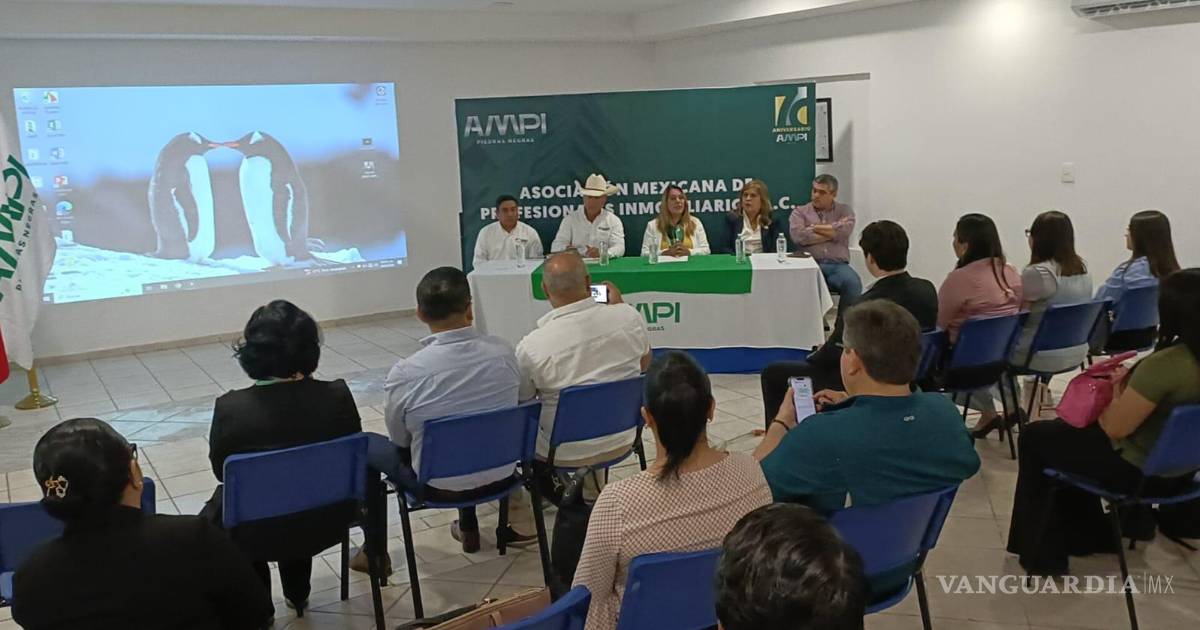
In the northern Mexican border city of Piedras Negras, a recent gathering focused on strengthening legal certainty for real estate development and expanding access to international credit options has drawn attention from local business leaders and regional stakeholders. The event, which brought together municipal officials, legal experts, and financial representatives, aimed to address longstanding challenges that have hindered investment in the Coahuila region’s property sector. While specific details of the discussions remain limited in public reports, the emphasis on legal frameworks and financing mechanisms reflects broader efforts to improve conditions for sustainable urban growth along Mexico’s northern frontier.
Piedras Negras, located directly across the Rio Grande from Eagle Pass, Texas, has long served as a key node in cross-border trade and migration. Its economic vitality is closely tied to the stability of its real estate market, which supports both residential expansion and commercial activity linked to manufacturing and logistics. However, developers and investors have frequently cited bureaucratic delays, unclear property registration processes, and limited access to long-term financing as obstacles to scaling projects. The recent forum sought to unpack these issues by aligning legal procedures with international best practices and exploring avenues for securing credit from global financial institutions.
Central to the discussions was the concept of juridical certainty — a legal principle ensuring that property rights are clearly defined, consistently enforced, and protected from arbitrary changes. In Mexico, achieving this certainty often involves navigating complex layers of federal, state, and municipal regulations, particularly concerning ejido land, urban zoning, and title registration. Experts at the event reportedly highlighted recent reforms to the Coahuila State Civil Procedures Code and updates to the Public Registry of Property as steps toward reducing procedural ambiguity. These changes, if fully implemented, could shorten the time required to transfer titles and reduce the risk of legal disputes that deter foreign and domestic investment.
Parallel to legal reforms, participants explored ways to broaden access to international credit options for real estate developers in Piedras Negras. Unlike traditional bank financing, which may be constrained by local credit history or collateral requirements, international lenders sometimes offer more flexible terms for projects tied to export-oriented industries or infrastructure with cross-border impact. Representatives from development banks and private equity funds with experience in Latin American markets were said to have presented case studies on structuring loans in U.S. Dollars or euros, hedging currency risk, and meeting environmental, social, and governance (ESG) standards that increasingly influence global investment decisions.
One recurring theme was the importance of transparency and due diligence in attracting external capital. Financial analysts noted that lenders from abroad typically require verifiable documentation of land ownership, clear project timelines, and independent valuations — all of which depend on a functioning legal and administrative system. By improving jurisdictional clarity, Piedras Negras could position itself as a more credible destination for foreign direct investment in sectors such as industrial parks, logistics hubs, and mixed-use urban developments.
The Coahuila state government has previously launched initiatives to streamline business registration and reduce administrative burdens through its “Coahuila Competitiva” program. While not explicitly mentioned in the event’s public summaries, such programs may complement the goals discussed in Piedras Negras by creating a more predictable environment for long-term planning. Officials from the state’s Secretariat of Economic Development have emphasized in recent statements that attracting quality investment depends on both physical infrastructure and institutional reliability.
For real estate professionals operating in the region, the implications of these discussions extend beyond individual projects. Greater legal certainty can lower transaction costs, encourage the use of formal financing channels, and increase confidence in property values over time. Meanwhile, access to international credit could enable larger-scale developments that generate jobs, stimulate demand for local services, and strengthen the city’s integration into regional supply chains. These outcomes align with broader national objectives under Mexico’s National Infrastructure Program, which prioritizes projects that enhance connectivity and economic resilience in border states.
Despite the optimism expressed at the forum, challenges remain. Implementation of legal reforms often lags behind legislative approval due to resource constraints in local registries and courts. Similarly, accessing international financing requires not only eligible projects but also strong financial reporting, audit readiness, and compliance with foreign lenders’ underwriting criteria — capabilities that many tiny and mid-sized developers may lack without technical assistance or intermediation.
Looking ahead, stakeholders indicated that follow-up working groups would be formed to monitor progress on legal streamlining and to connect developers with potential financing partners. No specific dates for next steps were disclosed in available reports, but municipal authorities in Piedras Negras have historically convened quarterly meetings on economic development through the city’s Council for Competitiveness and Innovation. Interested parties are advised to consult official channels such as the Municipio de Piedras Negras website and the Coahuila State Government’s transparency portal for updates on policy changes, public consultations, and upcoming forums related to real estate and investment.
As border cities like Piedras Negras continue to navigate the complexities of binational economic integration, initiatives that combine legal reform with financial innovation may offer a path toward more inclusive and resilient growth. By ensuring that property rights are secure and that capital can flow efficiently to productive uses, local leaders aim to build a foundation where entrepreneurship can thrive — not just in spite of the border, but because of the opportunities it creates.
For readers interested in tracking developments in Mexico’s real estate and financial sectors, reliable sources include the National Banking and Securities Commission (CNBV), the Mexican Association of Real Estate Developers (AMPI), and international institutions such as the Inter-American Development Bank, which regularly publish data on credit trends and regulatory reforms in Latin America.
We invite professionals, investors, and community members to share their perspectives on how legal certainty and access to credit are shaping business opportunities in Piedras Negras and similar border regions. Your insights help deepen the conversation and inform future coverage. Please join the discussion in the comments below and share this article with colleagues who may find it relevant.
Related reading