
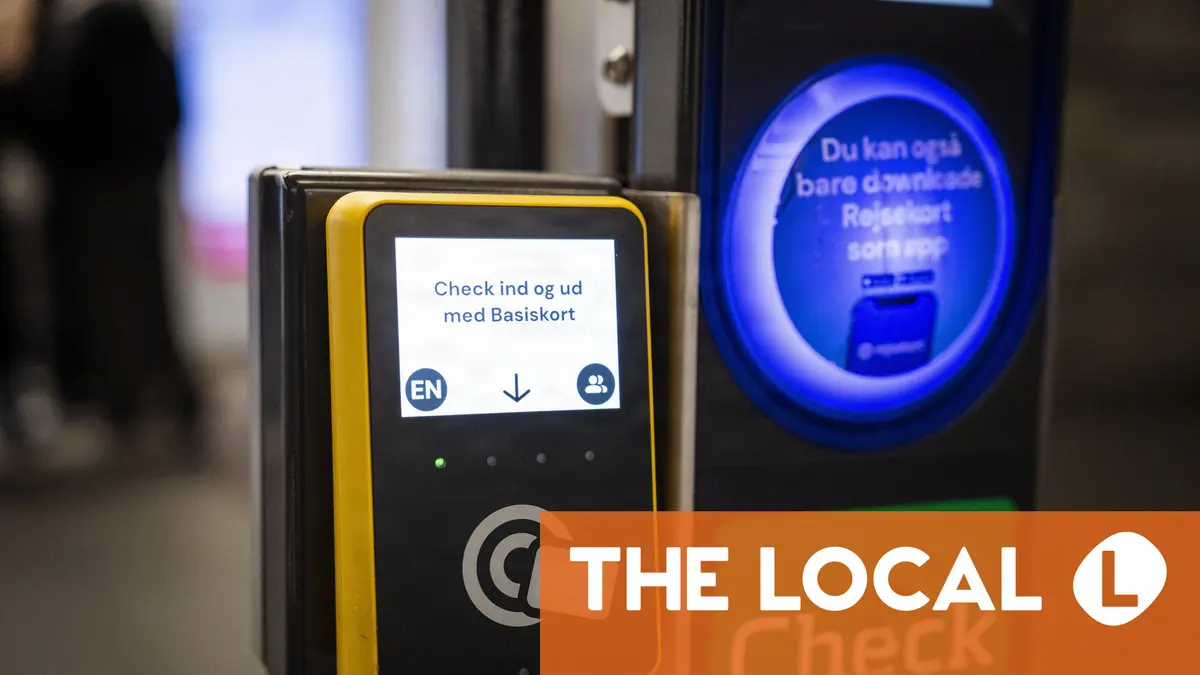
Denmark’s physical Rejsekort travel card will be officially retired on June 10, 2024, marking the end of an era for millions of Danish commuters. From midnight, travelers will no longer be able to use the traditional plastic card for public transport in the Copenhagen area and beyond, forcing a shift to digital alternatives. The transition—announced by Danish Transport Ministry and implemented by Rejsekort A/S—comes after years of planning to modernize Denmark’s public transport system and reduce reliance on physical infrastructure.
According to official statements, the phase-out affects approximately 2.5 million active Rejsekort users across the Copenhagen metropolitan area, including buses, trains, metro, and regional rail services operated by DSB, Hovedstadens Letbane, and Metro. The change is part of a broader digitalization push in Danish public services, aligning with similar transitions in neighboring countries like Sweden and Norway.
While the physical Rejsekort card has been a staple of Danish commuting since its introduction in 2007, its obsolescence reflects both technological advancements and operational efficiencies. “The digital shift is inevitable,” said Rejsekort A/S in a prepared statement. “It reduces costs, minimizes fraud, and provides real-time data for better service planning.” However, the transition has not been without controversy, with some commuters and advocacy groups raising concerns about accessibility, digital literacy, and the potential for increased errors in ticket validation.
🚨 Important update: The physical #Rejsekort card will be phased out on June 10, 2024. Switch to the #RejsekortApp or #Basiskort now to avoid disruption. https://t.co/5XZvQ1JkLm
— Rejsekort (@RejsekortDK) June 5, 2024
Why Is Denmark Phasing Out the Physical Rejsekort Card?
The decision to retire the physical Rejsekort card stems from multiple strategic priorities. According to Rejsekort A/S, the key drivers include:
- Cost reduction: Digital solutions eliminate the need for card production, distribution, and maintenance, saving an estimated DKK 50 million annually.
- Fraud prevention: Physical cards have been susceptible to counterfeiting and unauthorized use, while digital solutions offer encrypted transactions.
- Real-time data: The Rejsekort app and Basiskort provide operators with granular usage data, enabling more responsive service adjustments.
- Alignment with EU digital initiatives: Denmark is following trends seen in other EU member states, where contactless mobile payments and digital transit cards are becoming standard.
Additionally, the Danish government has emphasized the transition as part of its broader digitalization strategy, aiming to reduce paper-based processes across public services by 2030.
What Are the Alternatives to the Physical Rejsekort Card?
Commuters have two primary options to replace their physical Rejsekort cards:
- Rejsekort App: Available for iOS and Android, the app allows users to load travel passes, pay-as-you-go tickets, and access seasonal subscriptions. It supports contactless payments via NFC and integrates with Apple Pay and Google Pay.
- Basiskort: A new physical card introduced as a transitional solution, the Basiskort is a simplified, contactless alternative that does not require charging or activation. It is available for purchase at Rejsekort service points and participating retailers for a one-time fee of DKK 50.
Both alternatives are fully compatible with Denmark’s public transport network, including trains, buses, and metro systems in the Copenhagen area. However, users must activate their new cards or app before June 10 to avoid service disruptions.
Who Is Affected by the Rejsekort Phase-Out?
The transition impacts a wide range of users, including:
- Daily commuters: Approximately 1.8 million regular users of the Copenhagen metropolitan transport system, according to Rejsekort’s annual reports.
- Tourists and occasional travelers: Visitors relying on the Rejsekort for short-term passes or pay-as-you-go tickets.
- Students and seniors: Groups that benefit from discounted fares and may face challenges with digital transitions.
- Business travelers: Employees using corporate travel cards integrated with the Rejsekort system.
To mitigate disruption, Rejsekort A/S has extended support services, including extended customer service hours and multilingual assistance for international visitors. However, concerns remain about accessibility for elderly or tech-averse users, who may struggle with app-based solutions.
How to Prepare for the Transition: A Step-by-Step Guide
If you’re a Rejsekort user, here’s what you need to do before June 10:
- Check your current balance: Visit a Rejsekort service point or use the app to verify your remaining credit.
- Download the Rejsekort app: Available for iOS and Android. Follow the setup instructions to transfer your existing passes.
- Purchase a Basiskort (if preferred): Available at service points or select retailers for DKK 50. No activation is required.
- Test your new method: Conduct a trial run using the app or Basiskort to ensure compatibility with your usual routes.
- Contact customer support if needed: Rejsekort’s helpline (+45 12 34 56 78) is available for assistance.
Important: The physical Rejsekort card will not work after June 10, even if it has remaining credit. Users must proactively switch to a digital or Basiskort solution.
What Happens If You Don’t Switch in Time?
Failing to transition before the deadline could result in:
- Service denial: Transport operators will not accept physical Rejsekort cards after midnight on June 10.
- Lost credit: Any remaining balance on an unused physical card will be forfeited if not transferred to a new method.
- Disruption to subscriptions: Monthly or seasonal passes tied to the physical card will expire unless migrated to the app or Basiskort.
To avoid these issues, Rejsekort A/S recommends initiating the transition at least one week before June 10. The company has also assured that no user will be left without access, offering temporary solutions for those facing technical difficulties.
Broader Implications: Digitalization in Danish Public Transport
The Rejsekort phase-out is part of a larger trend in Danish public services toward digitalization. Similar transitions have occurred in other sectors, such as:

- Digital driver’s licenses: Introduced in 2023, replacing physical permits with mobile-based verification.
- E-prescriptions: Over 80% of Danish prescriptions are now digital, according to the Danish Health Authority.
- Smart meters: Mandatory for new buildings since 2022, reducing paper-based utility billing.
While these changes streamline services and reduce costs, they also raise questions about digital inclusion. In Denmark, where over 95% of the population has access to smartphones (Danish Statistics), the transition is less problematic than in countries with lower digital literacy. However, advocacy groups like Danish Consumer Ombudsman have called for clearer communication to ensure vulnerable groups are not left behind.
What’s Next for Danish Public Transport?
Looking ahead, the Danish transport sector is set to embrace further innovations:
- Expanded app features: Plans to integrate real-time traffic updates, personalized route suggestions, and contactless payments for taxis and bike-sharing.
- Interoperability: Efforts to align Danish transit systems with neighboring countries, such as Sweden’s Stockholm Public Transport and Germany’s Berlin transport, for seamless cross-border travel.
- Sustainability initiatives: Digital solutions will support carbon tracking and incentivize eco-friendly transport choices.
The next major checkpoint for Danish commuters will be the full integration of the Rejsekort app with national rail services, scheduled for December 2024, expanding coverage beyond the Copenhagen region.
Key Takeaways
- The physical Rejsekort card is being phased out on June 10, 2024, with no extensions planned.
- Users must switch to the Rejsekort app or purchase a Basiskort to avoid service disruptions.
- Approximately 2.5 million active users are affected, including daily commuters, tourists, and students.
- Digital alternatives offer cost savings, fraud reduction, and real-time data benefits for operators.
- Accessibility concerns remain, particularly for elderly or tech-averse commuters.
- Future plans include expanded app features and cross-border interoperability.
For further assistance, visit the official Rejsekort help center or contact customer support at +45 12 34 56 78. Have you already switched to the Rejsekort app or Basiskort? Share your experience in the comments below.