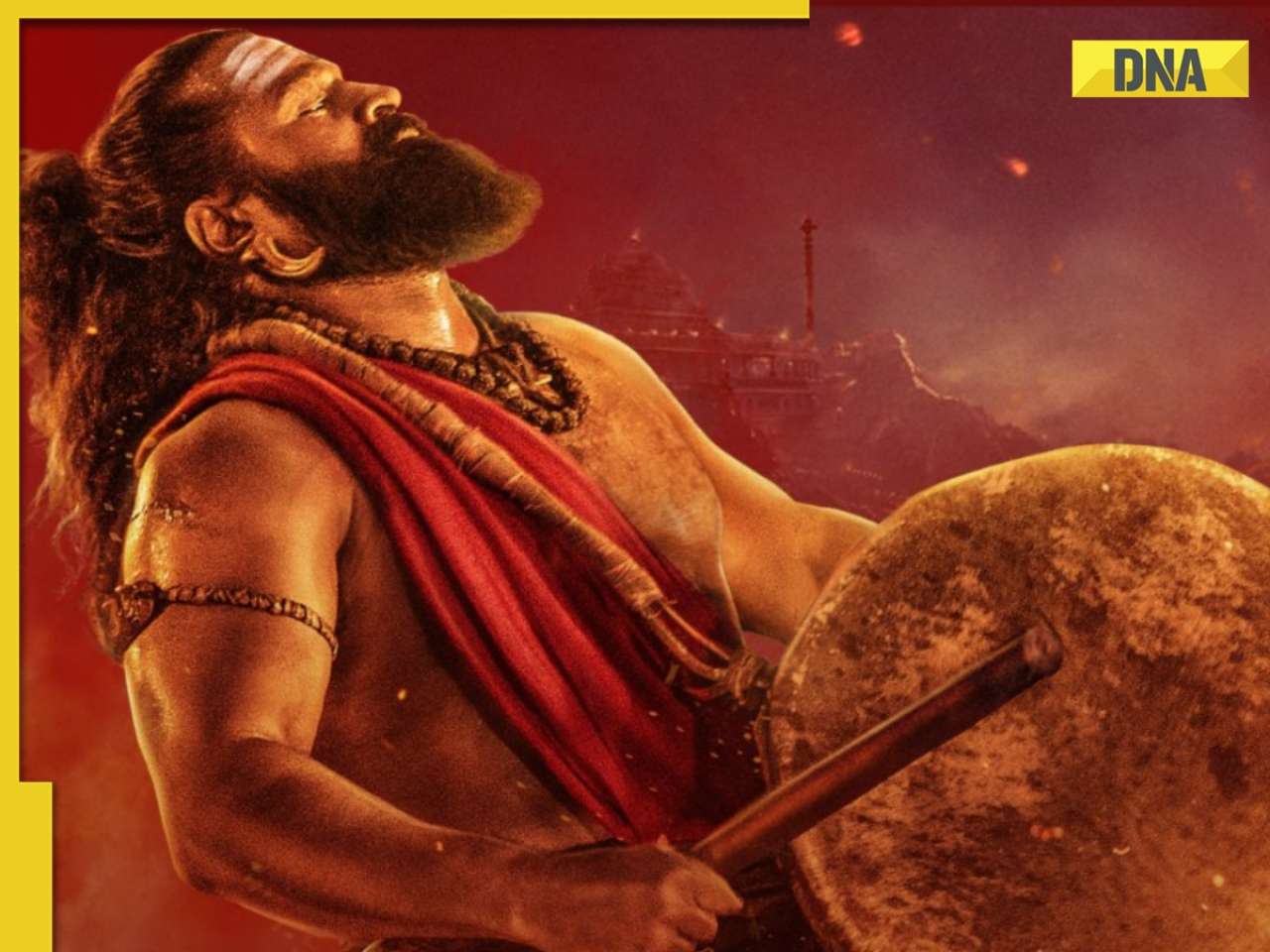
Kantara Makers Issue Urgent Appeal: Protecting the sacredness of Daivaradhane Amidst Fan imitations
The phenomenal success of Rishab Shetty’s Kantara and its recent sequel, Kantara Chapter 1, has ignited a global fascination with the rich cultural traditions of Tulunadu, the coastal region of Karnataka, India. However, this burgeoning popularity has been accompanied by a concerning trend: fans attempting to replicate the film’s powerful Daiva (divine entity) personas in public, prompting a formal appeal from the film’s producers, Hombale Films.
The issue surfaced following viral social media posts depicting a fan dressed as a Daiva entering a Tamil Nadu cinema, and others performing scenes from the prequel outside a theater.While demonstrating keen engagement with the film, these actions have sparked concern regarding the potential for cultural misrepresentation and the offense caused to the deeply held religious beliefs of the Tulu community.
Understanding Daivaradhane: A Tradition of Faith and Respect
Daivaradhane, the worship of Daivas, is far more than a theatrical spectacle; it’s a cornerstone of Tulunadu’s spiritual and cultural identity. For generations, these rituals have been performed with profound reverence, embodying a direct connection to ancestral spirits and the natural world. Kantara and Kantara Chapter 1 were meticulously crafted to showcase this devotion,aiming to share the beauty and importance of Daivaradhane with a global audience. The filmmakers invested significant effort in accurately portraying the intricacies of the tradition, recognizing its delicate balance between performance, faith, and community.
“Our films were created with the purpose of respectfully portraying this devotion and celebrating the glory of the Daivas,” stated Hombale Films in an official release. “We have strived tirelessly to ensure that the profound respect and unwavering devotion central to Daivaradhane were honoured, successfully spreading the significance and heritage of the Tulu soil with the world.”
The Concerns: Trivialization and Religious Sentiment
Hombale Films’ statement emphasizes the critical distinction between artistic representation and genuine religious practice. Imitating the Daiva characters, particularly through casual mimicry or inappropriate behavior, risks trivializing a sacred tradition and causing deep offense to the Tulu community. The Daiva aren’t characters to be emulated for entertainment; they represent powerful spiritual forces deserving of utmost respect.
“Such acts amount to trivialising our belief system and deeply hurt the religious sentiments and faith of the Tulu community,” the statement asserts. This isn’t simply a matter of artistic license; it’s a matter of cultural sensitivity and religious respect. The potential for misinterpretation and the erosion of the tradition’s sanctity are significant concerns.
A Plea for Responsible Engagement
Hombale Films’ appeal isn’t intended to stifle enthusiasm for Kantara, but rather to encourage a more informed and respectful engagement with the cultural elements it portrays. The filmmakers are urging audiences to recognize the spiritual importance of Daivaradhane and to refrain from any actions that could be perceived as disrespectful or trivializing.
“we urge all citizens to recognize the spiritual importance of these portrayals and act responsibly, ensuring that the devotion we sought to celebrate is never compromised or treated lightly,” the statement concludes. “We appreciate your continued support and cooperation in preserving the sanctity of this invaluable cultural heritage.”
Kantara’s Continued Success & Cultural Impact
Despite this concern, kantara Chapter 1 continues to perform exceptionally well at the box office, having already grossed over Rs 350 crore worldwide. Starring Rishab Shetty, Jayaram, rukmini Vasanth, and Gulshan Devaiah, the film’s success underscores the growing global appetite for authentic and culturally rich storytelling.
Though, the ongoing conversation sparked by the fan imitations highlights the duty that comes with portraying sensitive cultural traditions on a global stage. It’s a reminder that appreciation and respect must go hand-in-hand, ensuring that the beauty and significance of Daivaradhane are preserved for generations to come.