Latvian authorities are set to introduce a remote qualified electronic signature (e-Signature) feature, specifically designed for holders of electronic identity (eID) cards. This development aims to simplify digital authentication and document signing processes by removing the requirement for physical card readers or specialized hardware, according to updates from the State Regional Development Agency (VRAA).
The transition toward mobile-based digital identity services reflects a broader national strategy to digitize public services and increase the adoption of secure electronic identification across the Baltic state. The implementation of this remote signature capability allows users to verify their identity and sign documents through mobile applications, provided they have an active eID card issued by the Office of Citizenship and Migration Affairs (PMLP).
Enhancing Digital Accessibility for eID Card Holders
The primary objective of this initiative is to improve the user experience for citizens who already possess an eID card but face barriers to using electronic services due to the technical requirements of physical smart card readers. By moving the signing mechanism to a remote, cloud-based environment, the government intends to broaden the utility of the eID card beyond physical identification.
According to the official eParaksts portal, which is managed by the Latvian State Radio and Television Centre (LVRTC), the qualified electronic signature holds the same legal weight as a handwritten signature. The integration of remote capabilities ensures that users can interact with state institutions, banks, and private sector services that require high-level security without being tethered to a desktop computer.
How the Remote System Operates
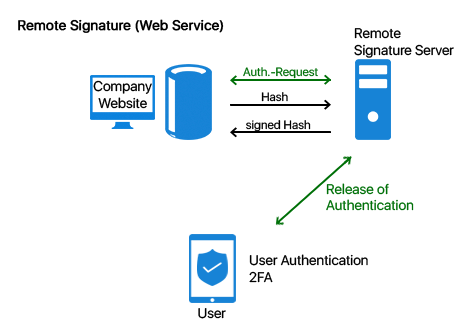
The remote qualified e-Signature functions through a secure authentication process that links the physical eID card to a digital profile. When a user initiates a signing request, the system triggers a verification protocol. This typically involves using a smartphone app as a secure token, replacing the traditional contact-based chip interface found on the physical card.
The State Regional Development Agency has emphasized that the security standards for this remote signature meet the requirements set by the European Union’s eIDAS regulation, ensuring that the digital signatures are recognized across borders within the European Economic Area. This compliance is essential for the legal validity of contracts and official government forms processed through digital channels.
Broadening the Scope of Public Services
This initiative is part of an ongoing effort to make the “e-government” ecosystem more inclusive. For many residents, the shift to remote tools is expected to reduce the time spent on administrative tasks. The availability of these tools is tied to the Office of Citizenship and Migration Affairs, as the eID card remains the foundational document for identity verification.
While the physical eID card remains mandatory for citizens over the age of 15, the addition of remote signing capabilities is intended to incentivize broader usage of digital identity tools among the general population. Data from the LVRTC indicates that the volume of electronic signatures has grown steadily over recent years, driven by the increased demand for remote work and digital banking services.
Future Steps and User Implementation
The rollout of the remote signature feature is being phased in to ensure system stability and security. Users are encouraged to monitor the official eParaksts.lv website for specific instructions on how to activate the remote signing function once it becomes available for their specific card version.
Officials have noted that the activation process will require an initial pairing of the eID card with the mobile application. Once this one-time configuration is complete, subsequent document signings can be performed entirely on a mobile device. Further updates regarding the full technical deployment and compatibility requirements are expected to be released by the LVRTC in the coming months. Readers are encouraged to check the official state platforms for the latest advisories and to share this information with others who may benefit from simplified digital document processing.
Worth a look