Business owners and professionals seeking to manage their digital reputation in 2026 must navigate a complex legal framework regarding how to delete negative reviews. Under current German and European Union digital services regulations, businesses cannot simply remove unfavorable feedback; instead, they must prove that a review violates specific legal standards, such as containing defamatory statements, illegal content, or factual inaccuracies, according to guidance from the Federal Ministry of Justice.
The process of requesting the removal of online feedback has become increasingly formalized as platforms align with the European Union’s Digital Services Act (DSA). While companies often aim to maintain a pristine online image, the legal threshold for deletion remains high. Courts generally prioritize freedom of expression, meaning that subjective opinions, even if harsh or critical, are typically protected unless they cross the line into prohibited territory.
Legal Grounds for Challenging Online Reviews
To successfully request the removal of a review, a business must demonstrate a clear violation of platform terms of service or national law. Legal experts emphasize that “negative” is not synonymous with “actionable.” According to the Verbraucherzentrale, valid grounds for removal include:

- False Factual Claims: Statements that are objectively incorrect, such as claiming a business was closed on a day it was open or alleging a service was never provided when records prove otherwise.
- Defamation and Insults: Content that moves beyond criticism into personal attacks, hate speech, or derogatory language that violates the dignity of the business owner or employees.
- Schmähkritik (Abusive Criticism): A specific legal concept in German law where the primary intent of the review is not to provide feedback but to intentionally defame or destroy the reputation of the individual or company.
- Privacy Violations: Reviews that disclose sensitive personal data or private information about staff members.
When a business identifies such content, the first step is usually to utilize the platform’s internal reporting mechanism. Under the DSA, major online platforms are required to provide clear, accessible procedures for users to report illegal content, as outlined in the official text of the regulation.
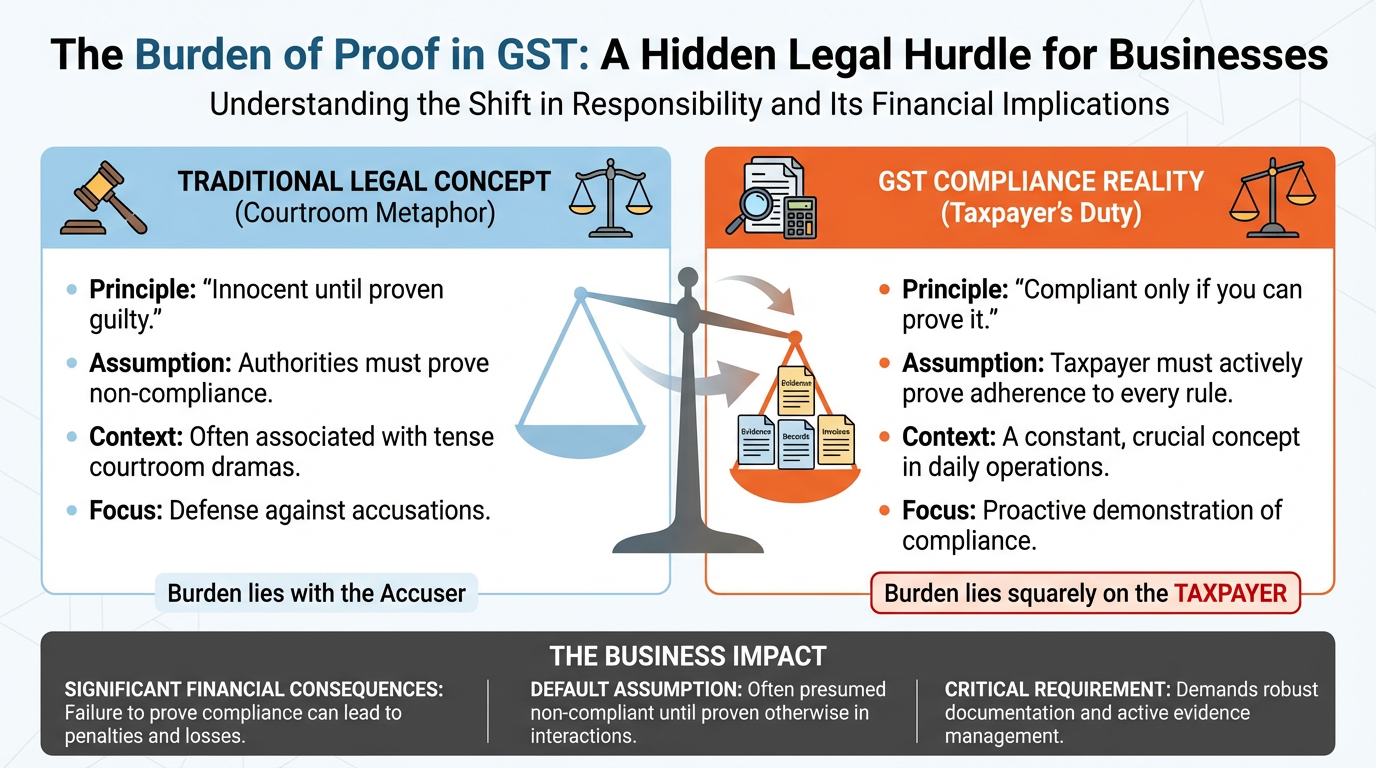
The Burden of Proof for Business Owners
The burden of proof rests entirely on the business owner. Merely stating that a review is “unfair” or “harmful to business” is insufficient for a platform to take action. Documentation is the most critical asset in these disputes. If a review makes a factual claim, the business must provide evidence—such as invoices, appointment logs, or internal correspondence—that directly contradicts the reviewer’s statement.
In cases where a platform refuses to remove a review, businesses may seek legal counsel to issue a formal notice. However, legal professionals often advise a cost-benefit analysis before proceeding with litigation. The German Federal Court of Justice (BGH) has established precedents that balance the rights of the consumer to express an opinion against the rights of the business to be protected from unlawful harassment.
Common Pitfalls in Reputation Management
Many businesses mistakenly attempt to mass-report negative reviews, which can lead to negative consequences. Platforms use sophisticated algorithms to detect abuse of their reporting systems. If a business is found to be reporting legitimate, non-violating reviews, they may face sanctions, including the loss of their own ability to flag future content or, in severe cases, the suspension of their business profile.
Furthermore, responding to reviews publicly is often more effective than attempting to delete them. A professional, fact-based, and courteous response can mitigate the impact of a negative review by demonstrating to potential customers that the business values feedback and addresses concerns constructively. This approach is frequently recommended by marketing experts as a way to build trust, rather than appearing defensive or litigious.
What Happens Next
As of mid-2026, the regulatory landscape continues to evolve toward greater transparency for both businesses and consumers. The Bundesnetzagentur, acting as the national Digital Services Coordinator in Germany, continues to monitor platform compliance with reporting procedures. Businesses should monitor upcoming updates from the European Commission regarding the enforcement of the DSA, which may further clarify the responsibilities of platforms in handling “borderline” content.
For businesses currently dealing with defamatory content, the recommended path remains: document the evidence, utilize the official platform reporting channel, and consult with a legal professional if the content clearly violates legal standards. Have you dealt with a difficult review recently? Share your experiences or questions in the comments below.
Related reading