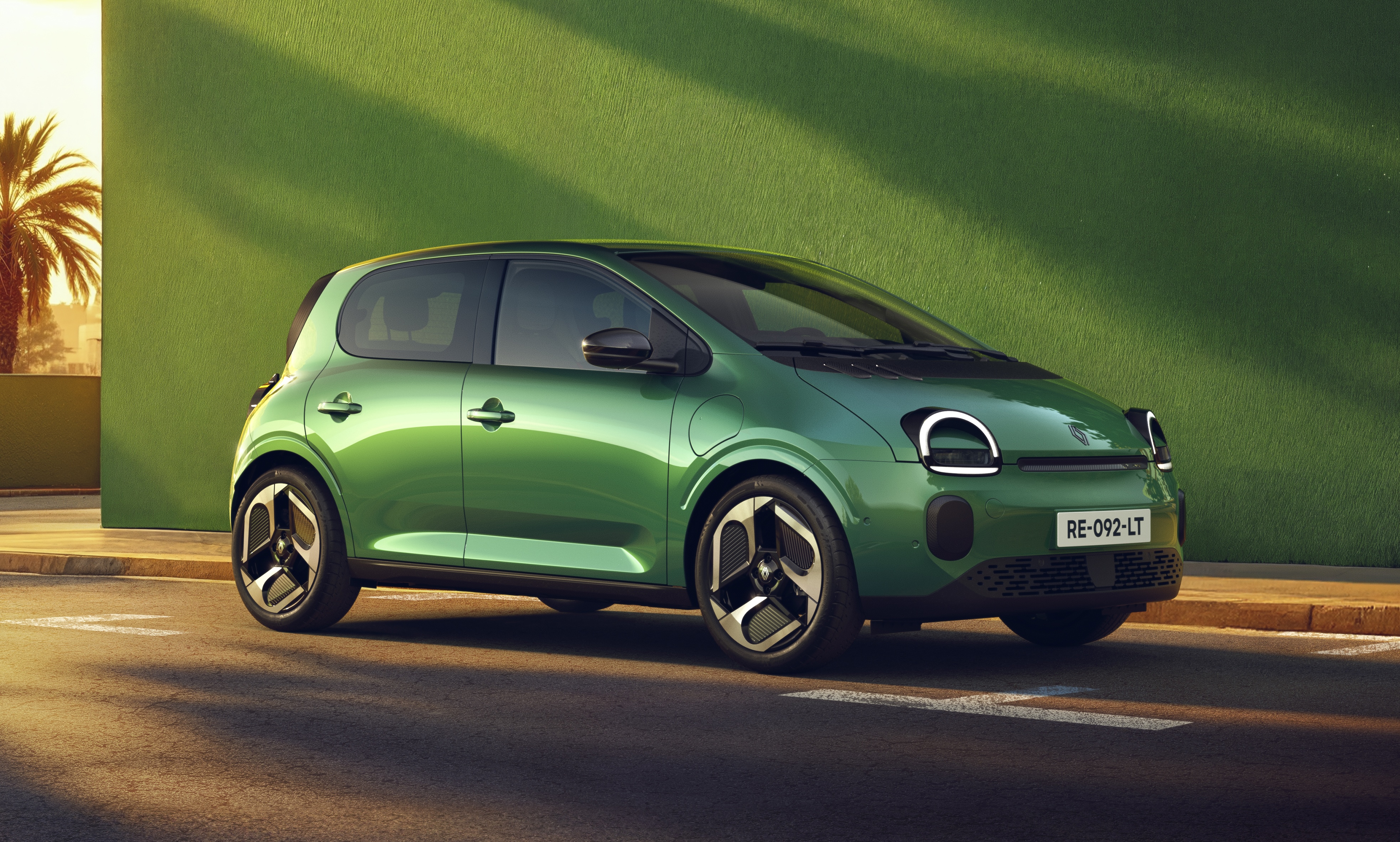
The European automotive landscape is currently undergoing one of its most significant structural shifts in decades, and at the heart of this transition lies a high-stakes battle for the urban commuter. As manufacturers race to meet stringent carbon emissions targets and satisfy a growing demand for sustainable mobility, the spotlight has turned toward a segment that was once overlooked by the high-end EV boom: the affordable, entry-level electric city car. Within this volatile market, Renault is preparing to deploy one of its most recognizable assets—the Twingo—in an all-electric iteration designed to reclaim its status as a market disruptor.
The upcoming Renault Twingo electric represents more than just the revival of a nostalgic nameplate; it is a critical component of the manufacturer’s broader strategic pivot. As the industry moves from the “early adopter” phase of electric vehicle (EV) ownership into a more challenging mass-market phase, the ability to deliver functional, budget-friendly technology will determine which automakers emerge as leaders in the next decade. However, the path to success is fraught with technical hurdles and intense competition, most notably from Stellantis’s aggressive push with models like the Citroën ë-C3.
For Renault, the stakes could not be higher. The success or failure of this small-format EV will serve as a litmus test for the company’s “Renaulution” strategy, a comprehensive plan aimed at transforming the group into a high-tech, capital-efficient electric entity. As urban centers across Europe increasingly implement low-emission zones, the demand for a compact, efficient, and—crucially—affordable electric vehicle has moved from a niche requirement to a mainstream economic necessity.
A Strategic Pivot: The Renault Twingo Electric and the “Renaulution”
To understand the importance of the Twingo electric, one must first look at the macro-economic framework guiding Renault’s current operations. Under its “Renaulution” roadmap, the company has shifted its focus from pure volume to value-driven growth, emphasizing software-defined vehicles and a streamlined product lineup. The Twingo electric is positioned to be a cornerstone of this transition, targeting the high-volume, low-margin segment that is essential for maintaining market share in European metropolitan areas.
The revitalization of the Twingo nameplate is a calculated move to leverage brand equity. The original Twingo was a masterclass in urban utility, offering a small footprint without sacrificing character. By transitioning this icon to an electric powertrain, Renault is attempting to bridge the gap between heritage and the future of mobility. The challenge, however, lies in the economics of scale. Developing a dedicated electric platform for a budget-friendly vehicle requires immense capital investment and highly efficient manufacturing processes to ensure the final retail price remains competitive.
Industry analysts note that the “second wave” of electrification is defined by the price point. While early EVs were often luxury items, the current market demands vehicles that can compete with internal combustion engine (ICE) counterparts on a total cost of ownership (TCO) basis. For Renault, the Twingo electric must not only be environmentally friendly but must also pass the rigorous scrutiny of the budget-conscious consumer who is wary of high upfront costs and potential battery degradation.
The Battle for the €25,000 Threshold: Facing the Citroën ë-C3
The competitive landscape for small-format EVs is tightening rapidly. Perhaps the most significant threat to Renault’s ambitions is the Citroën ë-C3, a vehicle that has been specifically engineered to disrupt the entry-level market. The ë-C3 has set a high bar for what a “mass-market” EV should look like, focusing on comfort, simplicity, and a price point that aggressively targets the sub-€25,000 bracket.
This competition has created a “race to the bottom” in terms of pricing, which places immense pressure on the margins of traditional manufacturers. For the Renault Twingo electric to succeed, it cannot merely match the ë-C3; it must offer a compelling reason for consumers to choose the Renault badge. This could manifest in superior urban maneuverability, a more integrated digital ecosystem, or a more efficient energy management system that maximizes range for city driving.
The tension in this segment is palpable. As manufacturers compete on price, they are also forced to compete on the perceived quality of the technology. In the small-car segment, consumers are increasingly sensitive to “feature stripping”—the practice of removing essential tech to lower costs. Renault must find the delicate balance between affordability and the high-tech expectations of a modern driver, ensuring that the Twingo electric feels like a modern vehicle rather than a compromised one.
Engineering Urban Mobility: Range, Weight, and the Battery Dilemma
The technical challenges of developing a small electric city car are often underestimated. In a larger SUV, a heavy, high-capacity battery can be masked by a larger frame and more powerful motors. In a compact vehicle like the Twingo, every kilogram counts. The weight of the battery pack directly impacts the vehicle’s agility, braking performance, and, most importantly, its range.
For the Twingo electric, the primary engineering goal is to optimize the energy density of the battery pack to provide sufficient range for urban environments—typically cited between 200km and 300km (WLTP)—without adding prohibitive weight or cost. Here’s where the development of LFP (Lithium Iron Phosphate) battery technology becomes a game-changer. LFP batteries are generally more cost-effective and offer greater longevity and safety compared to traditional NCM (Nickel Cobalt Manganese) chemistries, making them ideal for the entry-level EV segment.
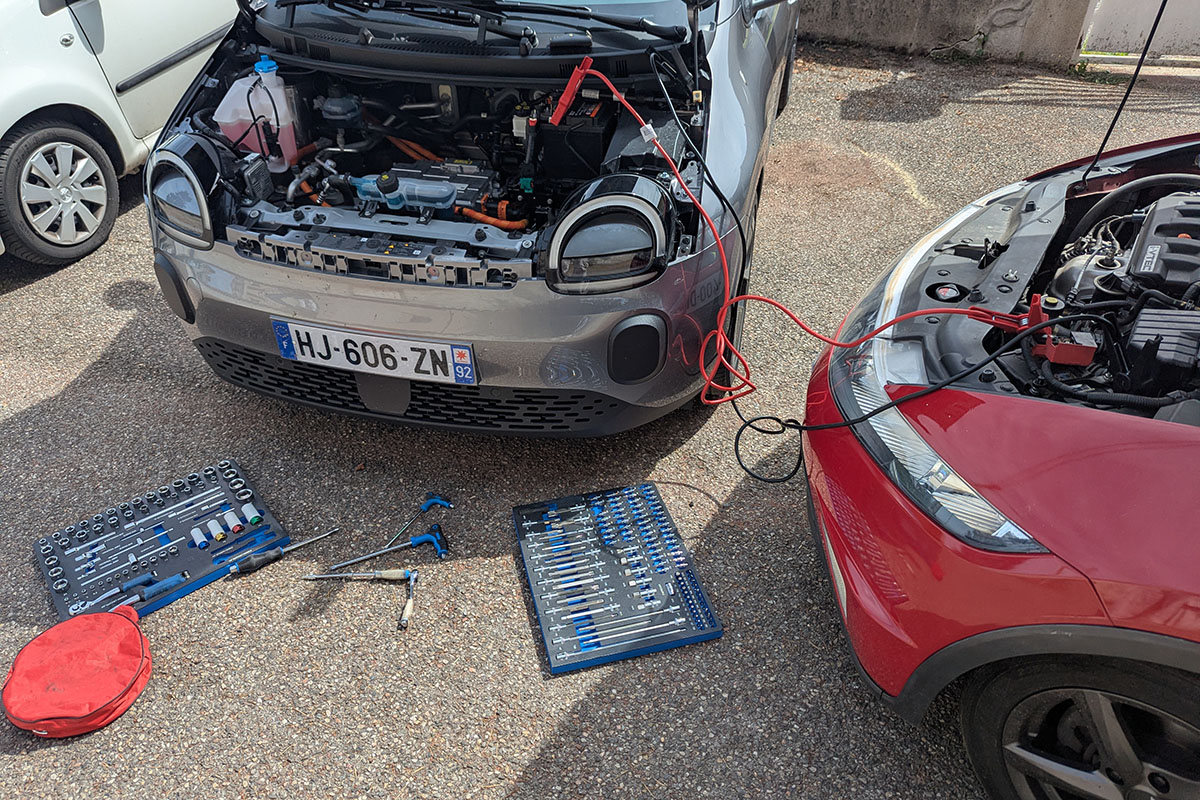
the software architecture of the vehicle will play a decisive role. Modern EVs are increasingly defined by their ability to manage energy through intelligent predictive systems, such as heat pump optimization and regenerative braking calibration. For an urban car, the ability to efficiently recapture energy during frequent stop-and-go driving is critical. Any failure in these complex systems—whether in software reliability or thermal management—can lead to significant consumer dissatisfaction, a risk that remains a central concern for manufacturers during the intensive testing phases of new models.
Macroeconomic Drivers: Why the Affordable EV is Essential for Europe
The push for the Twingo electric is not occurring in a vacuum; it is being driven by a confluence of regulatory and economic forces across the European Union. The European Green Deal and the subsequent mandate to phase out the sale of new internal combustion engine vehicles by 2035 have created a non-negotiable timeline for the automotive industry.
Beyond regulation, the economic reality of urban living is shifting. Many European cities are implementing “Zero Emission Zones” (ZEZs), which restrict or charge heavily for the entry of fossil-fuel vehicles. This regulatory pressure is effectively forcing a mass migration toward electric mobility. However, for this migration to be socially and economically sustainable, the transition must be inclusive. If electric vehicles remain priced as luxury goods, the transition risks creating a “mobility divide” between different socioeconomic groups.
This is where the Renault Twingo electric enters the economic conversation. By targeting the mass market, Renault is contributing to the democratization of electric mobility. The success of such vehicles is essential for the widespread adoption of EVs, as they provide a viable path for middle- and lower-income households to participate in the green transition. From a broader economic perspective, the proliferation of affordable EVs will also drive demand for charging infrastructure, creating jobs and stimulating investment in smart grid technologies across the continent.
Key Takeaways
- Strategic Importance: The Twingo electric is a vital component of Renault’s “Renaulution” strategy to capture the high-volume, entry-level EV market.
- Intense Competition: Renault faces direct competition from the Citroën ë-C3, with both manufacturers fighting for dominance in the sub-€25,000 price segment.
- Technical Hurdles: Success depends on balancing battery weight, cost-effective chemistry (like LFP), and sufficient urban range.
- Regulatory Drivers: EU emissions mandates and urban Low-Emission Zones are making affordable electric city cars a necessity rather than a luxury.
- Economic Impact: The Twingo’s success is linked to the broader goal of democratizing electric mobility and ensuring a socially inclusive green transition.
As the automotive industry approaches the midpoint of the decade, the era of the “affordable EV” has officially arrived. The Renault Twingo electric will be a defining moment for the brand, testing its ability to innovate under intense price pressure and fierce competition. Whether it can reclaim its crown as an urban icon remains to be seen, but the eyes of the global market will certainly be watching.
The next major milestone for Renault’s electric lineup is expected to be the official technical unveiling and production timeline confirmation, which will provide more clarity on the vehicle’s final specifications and market launch date.
What do you think? Can a small, affordable electric car like the Twingo be the key to mass EV adoption, or is the price barrier still too high? Share your thoughts in the comments below and share this article with your network.
Related reading