
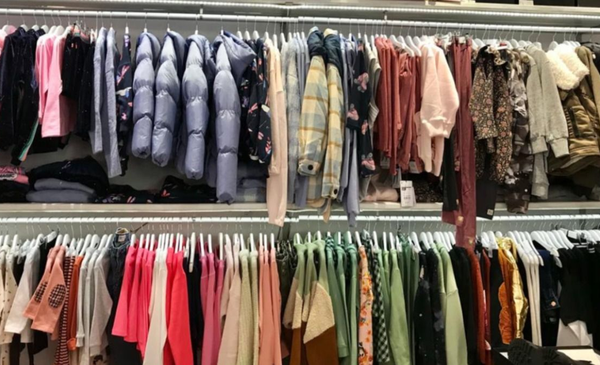
In the evolving landscape of Argentina’s retail sector, the closure of long-standing small businesses has become an increasingly common narrative. Recently, a notable children’s clothing store, which had served its community for 18 years, announced it would be shuttering its doors permanently. The decision highlights the profound economic challenges currently facing independent retailers in the region as they navigate shifting consumer habits and macroeconomic volatility.
For nearly two decades, this establishment had become a fixture in its local market, representing the kind of small-scale entrepreneurship that forms the backbone of neighborhood commerce. However, the owners cited the “current situation”—a phrase that reflects the broader fiscal pressures impacting businesses across the country—as the primary driver behind their difficult decision to cease operations.
Economic Pressures on Small-Scale Retail
The closure of this children’s clothing boutique is reflective of a wider trend impacting the Argentine retail industry. According to data from the Confederación Argentina de la Mediana Empresa (CAME), small and medium-sized enterprises (SMEs) have faced significant hurdles in recent months, characterized by rising operational costs and a contraction in consumer purchasing power. These businesses often operate on thin margins, making them particularly vulnerable to inflationary environments where the cost of goods and utilities can outpace the ability to adjust pricing for the end consumer.
The “current situation” mentioned by the business owners refers to a multifaceted economic environment. As noted in reports regarding the National Institute of Statistics and Censuses (INDEC), inflation and currency fluctuations have forced many shop owners to re-evaluate their long-term viability. For a boutique that has relied on a loyal local customer base for 18 years, the challenge lies in balancing the maintenance of quality products with the reality that families are increasingly prioritizing essential expenses over discretionary retail purchases.
What This Means for Local Commerce
When a store with such deep local roots closes, the impact extends beyond the balance sheet. It represents a loss of institutional memory and community connection. In the context of urban planning and local economy, the departure of a long-standing tenant often leaves a void that is difficult to fill, particularly as landlords and potential new entrepreneurs contend with the same high-interest-rate environment that forced the original closure.
For consumers, the closure serves as a stark reminder of the fragility of independent retail in the current climate. It encourages a shift toward larger chains or online marketplaces, which often possess the capital reserves necessary to absorb economic shocks that smaller, family-run entities simply cannot withstand. This consolidation of the market can lead to a homogenization of shopping districts, where the unique character of local boutiques is replaced by more standardized retail offerings.
Navigating the Future of Independent Retail
As we look ahead, the survival of similar businesses will likely depend on their ability to adapt digital strategies and explore niche markets that are less sensitive to broad economic downturns. However, as the Secretariat of Industry and Productive Development continues to monitor the health of the SME sector, it remains clear that structural support and economic stabilization are required to prevent further closures of historic local businesses.

The closure of this 18-year-old store is not merely a singular event; it is a symptom of a systemic adjustment. As the market continues to evolve, the focus for both policymakers and business owners will likely shift toward finding innovative ways to sustain the vibrant, independent spirit that defines local commerce. Whether through targeted tax incentives or digital transformation grants, the goal remains to ensure that the next generation of small business owners has a path forward.
We will continue to monitor the economic indicators provided by official government agencies to track how these retail trends develop throughout the remainder of the year. If you have reflections on how your local community is changing or if you are a business owner navigating these challenging times, we invite you to share your experiences in the comments section below.