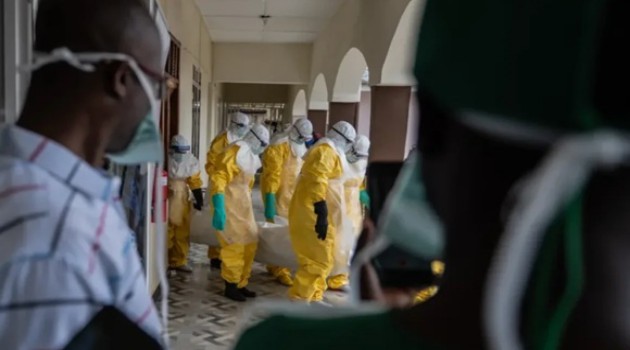
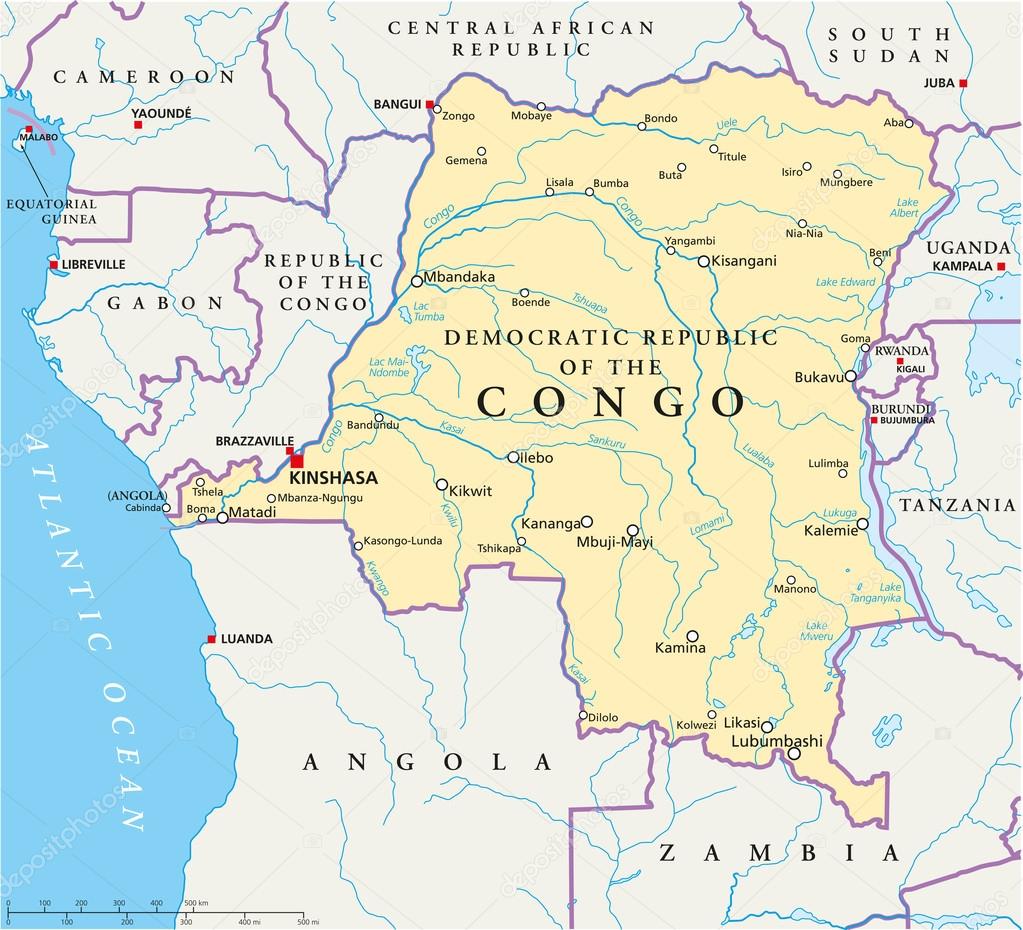
Public health authorities in the Democratic Republic of the Congo (DRC) are currently managing a significant health crisis as reports emerge regarding the latest figures on viral hemorrhagic fever. As we monitor the situation from our newsroom in Berlin, the international community remains focused on the containment efforts and the epidemiological trajectory of the current outbreak.
The latest data released by health officials highlights a concerning trend in what are classified as “probable deaths” attributed to the Ebola virus. While the landscape of infectious disease control is complex, these figures serve as a critical indicator for both local healthcare providers and global health organizations working to prevent further transmission. Understanding the scale of this outbreak is essential for those tracking regional stability and global health security.
Understanding the Current Epidemiological Data
The recent reports originating from the Democratic Republic of the Congo underscore the persistent challenges posed by Ebola in the region. According to documentation circulating through official channels, the reported figures include 204 probable deaths and 867 cases, reflecting the cumulative impact of the outbreak as of the most recent reporting period. This data is vital for World Health Organization (WHO) monitoring, which tracks the evolution of such outbreaks to coordinate medical, logistical, and humanitarian responses.
In the context of public health, a “probable case” is defined by specific clinical and epidemiological criteria, often used when laboratory confirmation is pending or unavailable due to the logistical constraints of operating in remote or affected areas. The Centers for Disease Control and Prevention (CDC) notes that these classifications are standard in outbreak management to ensure that resources—such as isolation units, contact tracing teams, and vaccination efforts—are deployed to areas of highest need.
Public Health Response and Containment
The response to an Ebola outbreak involves a multi-faceted approach. Beyond the immediate medical care provided to those exhibiting symptoms, the strategy relies heavily on community engagement. This includes safe and dignified burial practices, which are critical to interrupting the chain of transmission, and the rapid deployment of specialized treatment centers. The WHO Disease Outbreak News portal continues to provide the most reliable updates on the status of these interventions and the deployment of vaccines, which have significantly altered the landscape of Ebola control in recent years.
For those living in or traveling to affected regions, adherence to guidance from local ministries of health is paramount. This includes avoiding contact with blood and bodily fluids of people who are sick, as well as avoiding contact with items that may have come into contact with an infected person’s fluids. Authorities emphasize that early detection remains the most effective tool in reducing mortality rates.
Key Takeaways for Global Health Observers
- Data Vigilance: The distinction between “confirmed” and “probable” cases is key to understanding the severity of the outbreak and the limitations of diagnostic access in the field.
- Community Trust: Successful containment relies on the cooperation of local populations, which is often facilitated by transparent communication from health ministries and international partners.
- Resource Allocation: The 867 reported cases highlight the ongoing need for international funding and the sustained presence of medical professionals in the affected zones.
As we continue to follow this developing situation, the next confirmed checkpoint will be the subsequent epidemiological update provided by the relevant health authorities in the Democratic Republic of the Congo. We will provide further analysis as verified data becomes available regarding the efficacy of current containment measures and any shifts in the geographical distribution of the virus. We encourage our readers to share their thoughts or questions in the comments section below, and to stay informed through official updates from the World Health Organization.
Keep reading