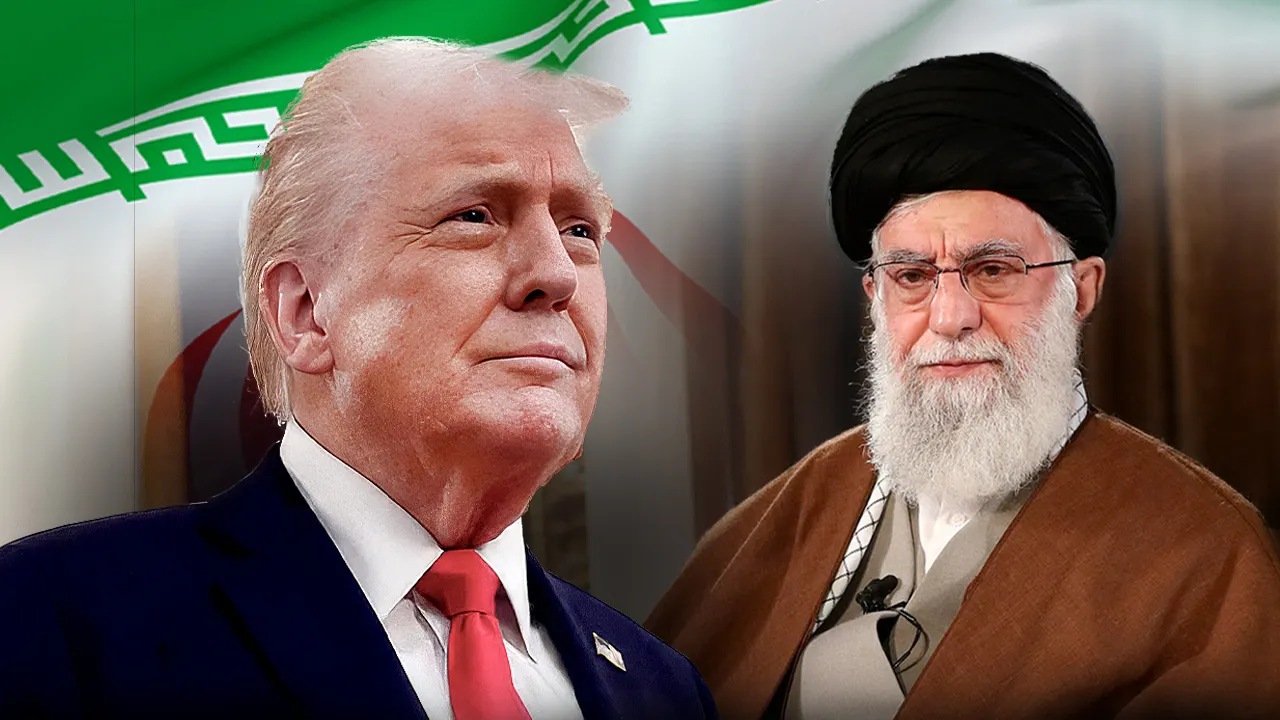
Republican lawmakers in the United States are increasingly prioritizing a shift in legislative and campaign focus away from the ongoing conflict involving Iran, seeking to pivot toward domestic economic concerns and border security. As the geopolitical situation in the Middle East remains volatile, members of the GOP leadership have signaled a desire to move on from the Iran war debate, which has created internal friction regarding the extent of U.S. foreign intervention and military spending, according to reports from Reuters.
The political maneuvering comes as the party attempts to solidify a platform ahead of the November 2024 general election. While traditional foreign policy hawks continue to advocate for a robust response to regional instability, a growing faction of populist-leaning Republicans is pushing for a “restraint” doctrine, arguing that prolonged entanglement in Middle Eastern conflicts detracts from urgent domestic priorities, including inflation and immigration control, as noted by the Council on Foreign Relations.
Shifting Priorities in the Legislative Agenda
The desire to move beyond the Iran-related discourse is reflected in the legislative calendar, where leadership has increasingly emphasized budget reconciliation and oversight of executive branch spending over new authorizations for military force. The debate over foreign aid packages has become a primary point of contention; in April 2024, the House of Representatives passed a series of aid bills after significant resistance from the party’s right flank, as documented by the New York Times. This legislative friction highlights the difficulty of maintaining party unity when foreign policy objectives conflict with the demands of an isolationist-leaning base.
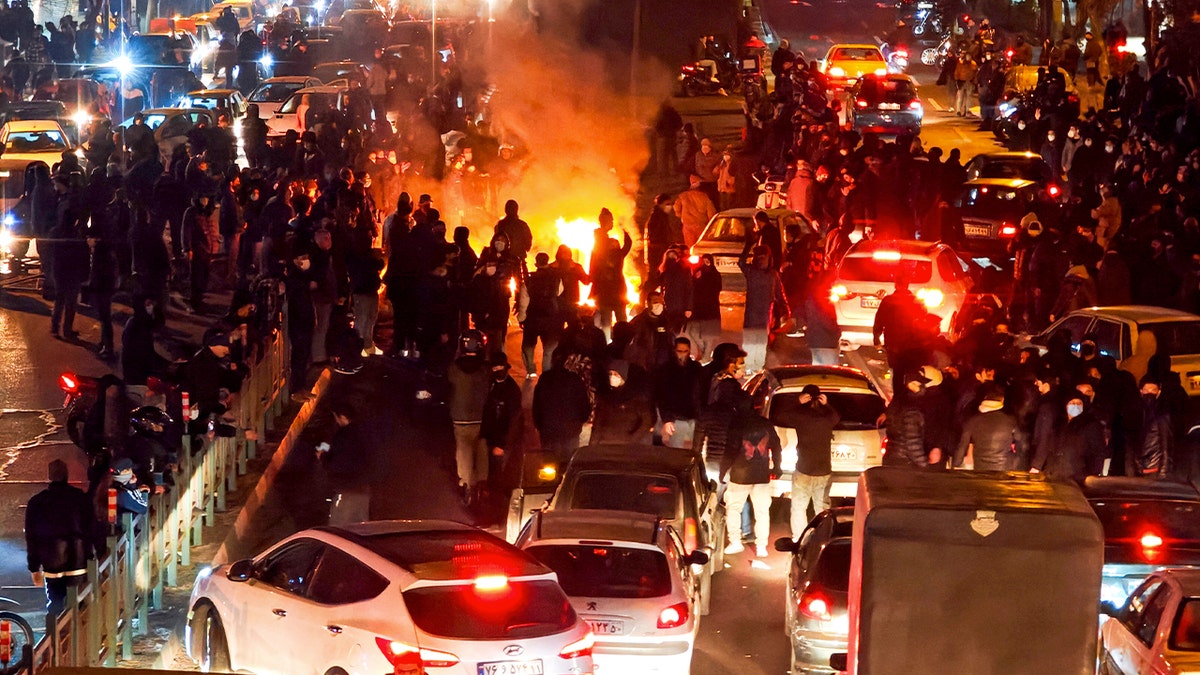
For many Republican strategists, the focus on the Middle East is viewed as a distraction from the Biden administration’s economic record. By pivoting to issues such as energy independence and domestic manufacturing, the party aims to draw a clear contrast with Democratic policy. However, this strategy faces challenges as global market volatility, often tied to oil supply concerns in the Persian Gulf, directly impacts domestic fuel prices, a key metric for American voters, according to data from the U.S. Energy Information Administration.
The Internal Struggle Over Foreign Policy Doctrine
The divide within the GOP is not merely tactical but ideological. The traditional wing, historically aligned with the Reagan-era doctrine of “peace through strength,” finds itself at odds with members who favor a more narrow interpretation of national security interests. This tension was evident during recent congressional hearings regarding the fiscal year 2025 defense budget, where debates over the allocation of funds for regional security initiatives frequently stalled, as reported by Department of Defense records.
The movement toward a more cautious approach is also bolstered by public polling, which suggests a softening of support among Republican voters for long-term foreign military deployments. According to surveys conducted by the Pew Research Center, a significant segment of the electorate expresses skepticism regarding the efficacy of U.S. intervention in regional conflicts that do not present a direct, immediate threat to the American homeland. This shift in public sentiment provides political cover for lawmakers who wish to prioritize domestic issues over foreign policy debates.
Economic Consequences and Global Market Stability
Beyond the political theater, the economic ramifications of the conflict remain a significant concern for global markets. Investors are closely watching for signs of escalation that could disrupt shipping lanes in the Strait of Hormuz, a critical artery for global oil supply. The World Bank has noted that geopolitical tensions in the Middle East contribute to commodity price uncertainty, which complicates inflation-taming efforts by central banks globally.
For the average voter, the connection between foreign policy and the price of goods remains a potent issue. Republican lawmakers are attempting to frame the current administration’s handling of the region as a failure of deterrence, thereby linking high energy costs to the lack of a clear, decisive strategy. By shifting the conversation to the economic impact of these policies, the party hopes to bypass the more granular and divisive debates over military involvement, focusing instead on the tangible financial outcomes for households.
Looking Ahead: The Path to the November Elections
As the campaign season intensifies, the Republican party’s efforts to minimize the focus on the Iran conflict will likely be tested by future regional developments. Any significant escalation or unexpected event involving U.S. personnel or assets would likely force the issue back to the center of the political stage, overriding attempts to shift the narrative. The next major benchmark for this policy debate will be the upcoming congressional sessions in late 2024, where further discussions on the National Defense Authorization Act (NDAA) are scheduled, according to the House Armed Services Committee.
Whether this strategy of deflection proves successful depends on the party’s ability to maintain a coherent message that resonates with a base increasingly wary of foreign entanglements. For now, the push to move on remains a defining, if fragile, element of the GOP’s electoral strategy. Readers are encouraged to monitor official legislative updates and public statements from party leadership for further developments as the election cycle progresses.
Keep reading