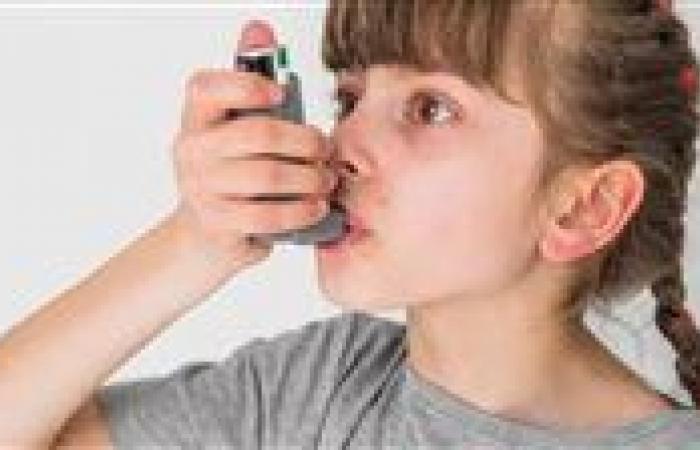
Across the globe, pediatricians and public health officials are sounding an increasingly urgent alarm. While asthma has long been recognized as a significant chronic respiratory condition, recent longitudinal studies and environmental assessments suggest that the triggers driving pediatric asthma rates are more complex—and more pervasive—than previously understood. For parents and caregivers, the “shocking” realization is not that asthma exists, but that the particularly environments we consider safe—our homes, our cities, and even our modern hygiene practices—may be contributing to a multi-fold increase in childhood vulnerability.
As we examine the data, it becomes clear that asthma is not merely a genetic lottery. While a family history of atopy (the tendency to develop allergic diseases) remains a primary risk factor, the rapid escalation in diagnoses is being fueled by a convergence of environmental stressors. From the microscopic particles in urban smog to the invisible allergens thriving in our indoor living spaces, the modern world is presenting a gauntlet of respiratory challenges for developing lungs.
Understanding these triggers is no longer just a matter of clinical interest; it is a critical component of preventative healthcare. By identifying the specific factors that significantly elevate the risk of asthma onset and exacerbation, we can move from reactive treatment to proactive environmental management. This report explores the latest scientific consensus on the environmental and lifestyle factors that are reshaping the landscape of pediatric respiratory health.
The Urban Toll: Air Pollution and Particulate Matter
One of the most significant and well-documented drivers of pediatric asthma is the quality of the air we breathe. Urbanization has brought millions of children into closer proximity with traffic-related air pollution (TRAP). This includes not only the visible smog but also invisible, microscopic pollutants that penetrate deep into the alveolar regions of the lungs.
Fine particulate matter, specifically PM2.5—particles that are 2.5 micrometers or smaller in diameter—has been identified as a major culprit. Because these particles are so small, they bypass the body’s natural filtration systems in the nose and throat, entering the bloodstream and triggering systemic inflammation. According to the World Health Organization (WHO), exposure to ambient air pollution is a significant risk factor for the development of respiratory diseases, including asthma, particularly in children whose lungs are still undergoing rapid growth and development.
Nitrogen dioxide (NO2), a gas primarily produced by vehicle emissions and industrial processes, has also been linked to increased airway hyper-responsiveness. Research suggests that children living near high-traffic corridors are at a disproportionately higher risk of developing asthma symptoms. This “urban penalty” means that socioeconomic factors, such as housing location and proximity to industrial zones, play a decisive role in a child’s respiratory destiny.
The Indoor Environment: Hidden Triggers in the Home
While outdoor pollution often grabs headlines, the air inside our homes can sometimes be more concentrated with irritants than the air outside. For a child with sensitive airways, the home can inadvertently become a reservoir for asthma triggers. These indoor allergens are often persistent and demanding to eradicate without systematic intervention.
Dust mites, which thrive in soft furnishings, carpets, and bedding, remain one of the most common triggers globally. Their waste products contain proteins that act as potent allergens. Similarly, mold and mildew, which can flourish in poorly ventilated areas or damp basements, release spores that can trigger immediate respiratory distress. The Centers for Disease Control and Prevention (CDC) emphasizes that managing these indoor environmental factors is a cornerstone of asthma control and prevention.
Pet dander—microscopic skin flakes from cats, dogs, and other animals—also presents a significant challenge. Unlike many other allergens, pet dander is highly “sticky” and can remain suspended in the air or settle on surfaces for extended periods. For families with a history of allergies, the presence of pets in the primary living and sleeping areas can significantly elevate the risk of chronic airway inflammation.
The Impact of Secondhand Smoke and Emerging Vaping Risks
The biological impact of tobacco smoke on a developing child is profound. Secondhand smoke (SHS) contains a cocktail of hundreds of chemicals, many of which are known carcinogens and respiratory irritants. Exposure to SHS in early childhood is strongly associated with increased rates of wheezing, frequent respiratory infections, and the eventual development of chronic asthma.

the rise of electronic nicotine delivery systems, or vaping, has introduced a new variable into the pediatric health equation. While often marketed as a “safer” alternative for adults, the aerosolized chemicals in e-cigarettes—including flavorings, heavy metals, and ultrafine particles—pose unknown long-term risks to children exposed to secondhand vapor. The inflammatory response triggered by these aerosols can damage lung tissue and sensitize the airways, potentially creating a pathway for asthma development.
The Hygiene Hypothesis and the Microbiome
In a somewhat counterintuitive turn, some researchers suggest that our modern obsession with cleanliness may be contributing to the asthma epidemic. This concept, known as the “hygiene hypothesis,” proposes that a lack of early-life exposure to diverse microbes and bacteria may prevent the immune system from learning how to distinguish between harmful pathogens and harmless environmental proteins.
When the immune system is not adequately “trained” by exposure to a variety of microbes in early childhood, it may become overreactive, leading to the development of allergic sensitivities and asthma. This is not an argument for poor sanitation, but rather an indication of the importance of the human microbiome. Emerging research into the gut-lung axis suggests that the diversity of bacteria in a child’s digestive system may play a critical role in modulating the immune response in the respiratory tract.
Climate Change: The New Respiratory Frontier
As global temperatures rise, the biological rhythms of our planet are shifting, with direct consequences for pediatric health. Climate change is significantly impacting the “allergy season” by extending the duration and increasing the intensity of pollen production. Warmer temperatures and higher levels of atmospheric CO2 have been shown to lead to more prolific pollen release from plants and trees.
For children with seasonal allergies, this means longer periods of exposure to triggers, which can lead to chronic airway inflammation and a higher likelihood of asthma attacks. The increase in extreme weather events—such as wildfires—introduces massive amounts of smoke and particulate matter into the atmosphere, creating acute periods of high-risk air quality that can affect entire regions simultaneously.
Key Takeaways for Parents and Caregivers
- Monitor Air Quality: Use local air quality index (AQI) apps to plan outdoor activities, especially on high-pollution or high-pollen days.
- Control Indoor Humidity: Keep home humidity levels between 30% and 50% to discourage the growth of mold and dust mites.
- Create Smoke-Free Zones: Ensure that homes and vehicles are entirely free from tobacco and e-cigarette smoke.
- Manage Allergens: Use allergen-impermeable covers on mattresses and pillows, and consider HEPA (High-Efficiency Particulate Air) filters to reduce indoor particulates.
- Consult Professionals: If a child exhibits persistent coughing, wheezing, or shortness of breath, seek a formal evaluation from a pediatrician or allergist immediately.
Frequently Asked Questions
Can asthma be prevented entirely?
While genetics play a role, research suggests that many environmental triggers can be managed or mitigated to reduce the risk of onset and the severity of symptoms. Total prevention is not always possible, but risk reduction is highly achievable.
Is there a link between diet and asthma?
Emerging studies are investigating the link between childhood obesity, diet, and asthma. Obesity can cause systemic inflammation, which may exacerbate airway sensitivity, though more definitive clinical guidelines are still being established.
How long does it take for environmental changes to show results?
The impact of removing a trigger (like secondhand smoke) can often be seen in improved symptom management relatively quickly, but long-term changes in lung health and airway remodeling require sustained environmental control.
The scientific community continues to monitor these environmental shifts closely. The next major milestone in this field will be the upcoming release of updated global air quality guidelines, which are expected to provide more granular data on the impact of PM2.5 on pediatric populations. We will continue to track these official updates and provide our readers with the most current, verified information.
Have you noticed changes in your child’s respiratory health due to environmental factors? Share your experiences and questions in the comments below to join the conversation.
Worth a look
- Obesity Medication Prices Dropping: Access vs. Cost Controversy
- Why Sleep Disorders Are Rising in Gen Z: Causes and Solutions
- Breakthrough Cancer Drug Shows Promise in Mesothelioma Clinical Trial (newsdirectory3.com)
- Why Netflix and Other Streamers Keep Killing Shows After One Season (daybreakwire.com)