
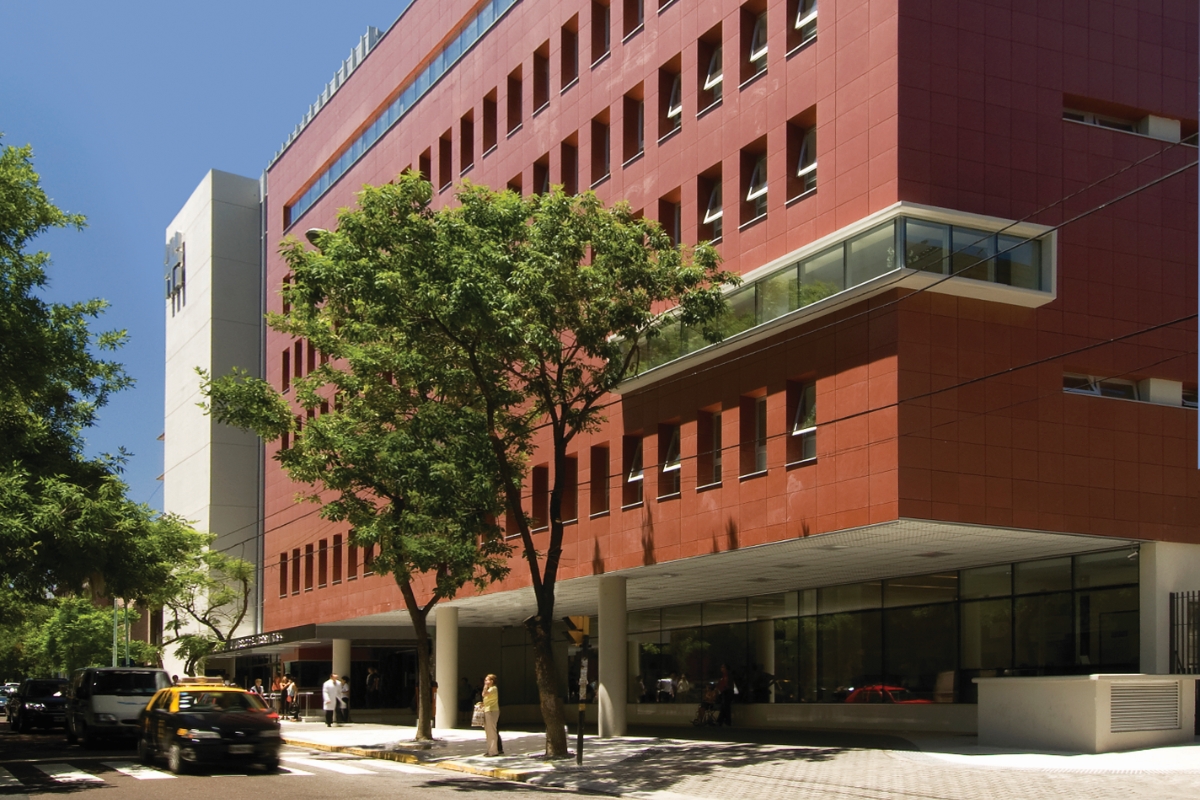
Researchers from the Hospital Italiano de Buenos Aires have identified a consistent link between regular physical activity and a significant reduction in long-term mortality rates, following a multi-year observational study of thousands of patients. The findings, which emphasize the role of lifestyle modifications in preventative medicine, suggest that even moderate, consistent exercise patterns contribute to measurable increases in life expectancy among urban populations.
As a physician, I have long observed that the most effective interventions are often those that patients can sustain over decades. This research, conducted within a major metropolitan healthcare setting, provides robust data on how daily habits influence cardiovascular health and overall longevity. By monitoring a large cohort over an extended period, the clinical team was able to isolate physical activity as a primary variable in reducing premature mortality risk.
The Clinical Methodology Behind the Findings
The study utilized a longitudinal approach to track the health outcomes of thousands of individuals, ensuring that the data captured both the intensity and frequency of their physical routines. According to data published by the Hospital Italiano de Buenos Aires, the research team focused on identifying specific thresholds of activity that correlate with improved metabolic and cardiovascular markers. Unlike short-term clinical trials, this observational study allowed researchers to account for environmental factors common to residents of large, high-density cities.
The investigators categorized participants based on their weekly metabolic equivalent of task (MET) scores, a standard metric used to measure the energy expenditure of physical activities. By comparing these scores against long-term mortality records, the study demonstrates that individuals who met or exceeded global health guidelines—typically 150 minutes of moderate-intensity aerobic activity per week—showed a lower incidence of chronic diseases. This aligns with the World Health Organization (WHO) guidelines, which advocate for consistent physical exertion to mitigate the risks of hypertension, diabetes, and cardiovascular failure.
Why Consistent Movement Matters for Longevity
The physiological mechanism behind these findings centers on systemic inflammation and vascular health. Regular movement improves endothelial function, which helps maintain arterial elasticity and blood pressure regulation. In the context of this study, the “habit” identified is not necessarily high-intensity training, but the consistency of daily movement, such as walking or cycling as a primary mode of transportation, which is common in Buenos Aires.
When we look at the data, the impact of these lifestyle choices is clear: consistent, moderate activity acts as a protective factor against systemic stressors. According to the Centers for Disease Control and Prevention (CDC), regular physical activity is one of the most important things people can do for their health, yet many urban dwellers struggle to integrate it into their daily schedules. The study from the hospital in Buenos Aires reinforces that the benefits of movement are cumulative, meaning that small, daily efforts produce significant outcomes over a lifetime.
Integrating Health Habits into Urban Life
For many residents in major cities, the barrier to exercise is often infrastructural or time-related. However, the study suggests that “incidental” exercise—moving throughout the day as part of one’s routine—is just as effective as structured gym sessions for many health outcomes. The researchers noted that participants who incorporated active commuting or consistent walking breaks during the workday showed better long-term health trajectories than those with sedentary lifestyles.
Healthcare policy experts often point to the need for “active cities” to support these habits. By prioritizing pedestrian-friendly urban planning, cities can facilitate the kind of physical activity that this study links to longer lives. This is a crucial point for public health officials: individual behavior change is most successful when it is supported by the environment in which people live and work.
Next Steps for Public Health Research
The research team at the Hospital Italiano plans to continue monitoring these cohorts to determine if further lifestyle interventions—such as nutritional adjustments or stress management techniques—provide additional benefits when combined with physical activity. Future reports are expected to be published in peer-reviewed medical journals as the data collection reaches new milestones.
For those looking to improve their own health outcomes, the current consensus remains clear: consistency is the most important factor in any exercise regimen. If you have questions about how to safely begin an exercise program, it is recommended to consult with your primary care physician to tailor a plan to your specific cardiovascular needs. We welcome your thoughts on how your own city supports your daily physical activity in the comments section below.
Keep reading