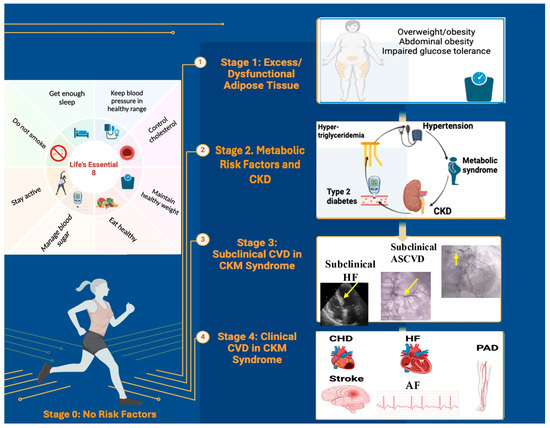
Resistance training significantly improves the prognosis for patients across all stages of Cardiovascular-Kidney-Metabolic (CKM) syndrome. By systematically addressing muscle strength, clinical outcomes for individuals navigating this complex condition—which links cardiovascular disease, chronic kidney disease, and metabolic disorders—show consistent, measurable improvements in long-term health markers.
As a physician, I frequently see patients overwhelmed by the multi-system nature of CKM syndrome. However, the evidence is increasingly clear: targeted physical activity, specifically resistance training, serves as a vital intervention. It is not merely about fitness; it is about mitigating the physiological strain on the heart and kidneys by improving metabolic function and insulin sensitivity.
Understanding CKM Syndrome and the Role of Exercise
Cardiovascular-Kidney-Metabolic syndrome is a clinical framework used to describe the interconnectedness of heart disease, kidney dysfunction, and metabolic risk factors such as obesity and type 2 diabetes. According to the American Heart Association (AHA), this classification system helps clinicians assess a patient’s risk profile from early stage 0 (no risk factors) to stage 4 (end-stage disease with organ failure). The goal of therapeutic intervention in these stages is to prevent progression and reduce mortality.
Resistance training, often referred to as strength training, involves moving muscles against external resistance—such as weights, resistance bands, or one’s own body weight. For a patient with CKM syndrome, this form of exercise offers distinct advantages over aerobic activity alone. By increasing skeletal muscle mass, patients improve their body’s ability to process glucose, thereby reducing the metabolic burden that often exacerbates both cardiovascular and renal decline. The National Institutes of Health (NIH) notes that maintaining muscle mass is a critical factor in preserving functional independence and metabolic health in chronic disease management.
Clinical Benefits Across Disease Stages
The impact of resistance training is observed across the spectrum of CKM severity. In early stages, where obesity or insulin resistance may be the primary concern, resistance training helps stabilize blood sugar levels and improve blood pressure regulation. As the syndrome progresses to involve more overt organ damage, the focus shifts toward maintaining physical reserve and reducing systemic inflammation.

Research indicates that resistance training can help manage chronic inflammation, a key driver in the progression of both heart and kidney failure. By promoting the release of myokines—signaling proteins produced by muscle fibers during contraction—this exercise modality helps regulate metabolic pathways that are often dysregulated in CKM patients. For those at higher risk, the National Kidney Foundation emphasizes that physical activity, tailored to the individual’s physical capacity, is essential for managing the comorbidities associated with kidney disease.
Implementing a Safe Training Regimen
Starting a resistance training program requires a cautious approach, especially for those in later stages of CKM syndrome. It is imperative that patients consult with their healthcare team before beginning any new exercise routine. A safe, evidence-based approach typically includes:

- Professional Assessment: A baseline evaluation of cardiac and renal function to determine safe intensity levels.
- Gradual Progression: Starting with low-impact movements and slowly increasing resistance to avoid undue stress on the cardiovascular system.
- Consistency Over Intensity: Aiming for regular, moderate-intensity sessions rather than infrequent, high-exertion workouts.
- Monitoring: Tracking blood pressure and glucose levels before and after sessions to ensure the body is responding positively to the stress of exercise.
The Physical Activity Guidelines for Americans provide a foundation for understanding how muscle-strengthening activities contribute to overall health, recommending at least two days per week for the general population, though these should be adapted for those with chronic conditions under medical supervision.
Future Directions in Patient Care
As we continue to learn more about the CKM syndrome, the integration of exercise physiology into standard cardiology and nephrology care is becoming a priority. Future clinical guidelines are expected to further solidify the role of structured exercise as a “prescribed” treatment rather than a secondary recommendation. Currently, the medical community is focusing on how to better standardize these exercise prescriptions for patients with varying degrees of renal impairment, as highlighted by recent discussions in global public health forums regarding the management of non-communicable diseases.
The next major checkpoint for clinical guidance on this topic will involve updated consensus statements from international cardiovascular and nephrology societies, which are expected to be released as part of ongoing efforts to standardize CKM management. In the meantime, I encourage patients to speak with their primary care providers or specialists about how to safely incorporate resistance training into their daily lives.
Have you or a loved one navigated the complexities of CKM-related health challenges? Understanding the benefits of movement is a powerful step toward better health. Please share your thoughts or questions in the comments below, and consider sharing this article with those who may benefit from this information.
Related reading