As a physician, I often emphasize that managing chronic back pain requires more than just clinical intervention. it demands a nuanced understanding of how patients perceive their own physical limitations. Recently, the medical community has engaged in a robust discussion regarding the most effective ways to communicate treatment outcomes to both clinicians and those living with persistent discomfort. A central point of this dialogue concerns the use of percentage-based improvements versus raw point-score changes in standardized assessments, such as the Roland-Morris Disability Questionnaire (RMDQ).
For patients, interpreting a shift of two, three, or eight points on a clinical scale can be challenging. Translating these technical metrics into meaningful, real-world improvements is essential for shared decision-making. By focusing on the percentage of change from a baseline, researchers aim to provide a more intuitive framework that helps individuals visualize the efficacy of their treatment plans. This approach is increasingly supported by data highlighting the importance of functional performance, such as movement speed and stability, in the context of long-term recovery.
Understanding Functional Performance in Back Pain Management
In clinical settings, objective performance tests serve as vital indicators of a patient’s physical status. Data suggests that individuals with greater baseline impairments—often measured by standardized tests like the Timed Up and Go (TUG) or repeated sit-to-stand exercises—stand to gain the most from structured, supported self-management programs. According to clinical guidance from the National Institute for Health and Care Excellence (NICE), low back pain with or without sciatica is best managed through a combination of physical activity, psychological support, and, where appropriate, manual therapy.
The correlation between objective performance and subjective experience is critical. When patients engage in supported self-management, improvements in disability scores often track closely with shifts in pain self-efficacy and a reduction in kinesiophobia, or the fear of movement. This psychological component is a cornerstone of modern pain science. The World Health Organization (WHO) emphasizes that chronic low back pain is a leading cause of disability worldwide, frequently necessitating a biopsychosocial approach that addresses both the physical source of pain and the patient’s emotional response to it.
The Role of Psychological Factors in Recovery
Fear of movement and pain catastrophizing—the tendency to focus on and exaggerate the threat value of pain—can significantly hinder rehabilitation. Current research indicates that when these factors are addressed alongside physical therapy, patients often report better long-term outcomes. The goal is to shift the patient’s perspective from one of avoidance to one of proactive, supported movement.
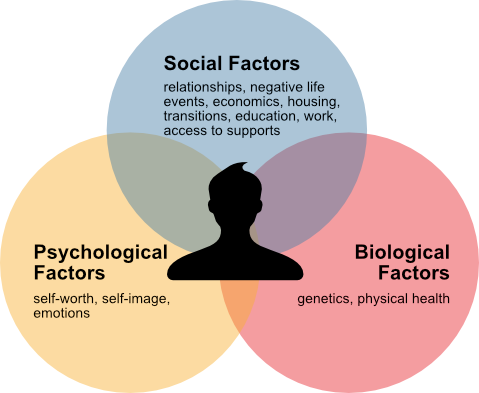
For those navigating these challenges, understanding that “pain does not always equal damage” is a foundational concept. The International Association for the Study of Pain (IASP) provides extensive resources on how chronic pain affects the nervous system and how cognitive strategies can help recalibrate that response. By integrating these insights into clinical practice, we move away from purely symptom-focused care toward a more holistic, patient-centered model that prioritizes quality of life and functional independence.
Future Directions in Clinical Research
While current findings are promising, the field continues to evolve. Ongoing mediation analyses are currently investigating exactly how changes in pain self-efficacy and cognitive factors influence subsequent outcomes in disability. These studies are essential for refining how we deliver care, ensuring that interventions are not only effective but also highly personalized to the individual’s specific needs and psychological profile.
As we look toward future publications in this area, the focus will remain on transparency and utility. For clinicians and patients alike, the priority is clear: we must continue to translate complex clinical data into actionable information that empowers patients to take an active role in their own health journey. Whether through better standardized testing or more effective communication of results, the goal remains consistent—improving the lives of those affected by chronic back pain through evidence-based, compassionate care.
The medical community expects further longitudinal data on these intervention strategies to be released in the coming months. I encourage our readers to remain engaged with these updates as they become available through peer-reviewed medical literature. If you or a loved one are managing back pain, please consult with your healthcare provider to discuss how these biopsychosocial approaches might be integrated into your personalized care plan.
What has your experience been with physical therapy and self-management for chronic pain? Share your thoughts in the comments section below, or join the conversation on our social media platforms.
Keep reading