South Korea is bolstering support for its food service and processing industries with low-interest loans aimed at facility improvements and operational stability. The initiatives, spearheaded by cities like Bucheon and Yongin, offer a significant financial boost to businesses navigating economic pressures and striving to meet evolving hygiene standards. This comes as part of a broader effort to ensure food safety and enhance the dining experience for citizens.
The programs provide access to funding at an annual interest rate of just 1%, a substantial reduction from typical commercial loan rates. This affordability is designed to encourage investment in upgrades that improve both the quality of food production and the overall customer environment. The loans are available to a range of businesses, from large-scale food manufacturers to smaller restaurants and cafes.
Loan Details and Eligibility
Bucheon City, for example, is offering loans up to 500 million Korean Won (approximately $367,000 USD as of March 3, 2026) for food manufacturing and processing businesses undertaking facility improvements, requiring a 20% self-funding contribution from the applicant. According to the Maeil Ilbo, food service establishments can access up to 100 million Won ($73,400 USD) for similar upgrades, even as funding for restroom improvements is capped at 20 million Won ($14,680 USD). Recognized establishments, such as model restaurants and those with hygiene certifications, are eligible for operational funding up to 30 million Won ($22,020 USD).
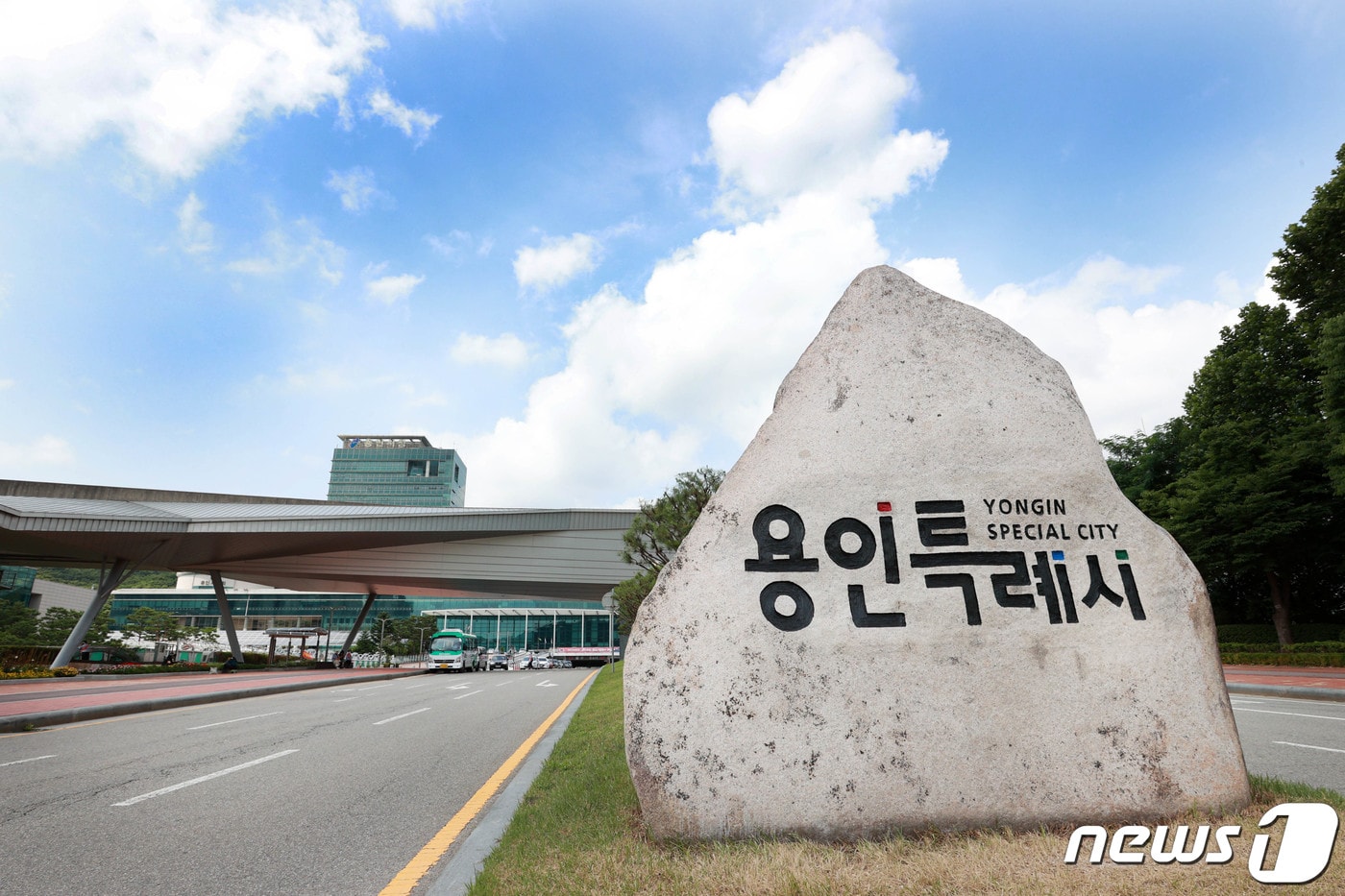
Yongin City offers a similar structure, with loans available for production facility improvements (up to 500 million Won with a 20% self-funding requirement), facility upgrades for food service businesses (up to 100 million Won), restroom renovations (up to 20 million Won), and operational funds for model restaurants and hygiene-certified businesses (up to 30 million Won). As reported by Suwon News, both cities emphasize the importance of these loans in supporting the local economy and ensuring public health.
Repayment Terms
Repayment schedules vary depending on the loan type. Facility improvement loans generally offer a 2-year grace period followed by 3 years of equal installments. Loans for restroom improvements and operational funding have a 1-year grace period followed by 2 years of equal installments. These terms are designed to provide businesses with sufficient time to benefit from their investments before repayment obligations become significant.
Exclusions and Application Process
It’s important to note that franchise businesses are excluded from eligibility for facility improvement loans in both Bucheon and Yongin. This restriction appears to be aimed at supporting independent businesses that may have less access to capital. Businesses with recent violations of food safety regulations – specifically, those receiving administrative orders for business suspension twice within the past year – are ineligible. Gidaily reports that businesses that are closed or unregistered are too ineligible for these loans.
The application process requires prospective borrowers to first consult with Nonghyup Bank (also known as the National Agricultural Cooperative Federation) to assess their loan eligibility. Following this consultation, food manufacturing businesses in Bucheon must apply through the city’s Food Hygiene Division, while food service businesses apply through the industrial hygiene department of their respective district offices. In Yongin, applications are submitted to the city’s Hygiene Division. City officials will then review applications and conduct on-site inspections to determine final approval.
The Broader Context of Food Safety in South Korea
These loan programs reflect a growing emphasis on food safety and hygiene standards in South Korea. Recent years have seen increased public awareness of foodborne illnesses and a corresponding demand for greater transparency and accountability within the food industry. The South Korean government has responded with stricter regulations and increased investment in food safety infrastructure. These initiatives are intended to not only protect public health but also to enhance the competitiveness of the South Korean food industry on the global stage.
The focus on upgrading restroom facilities is particularly noteworthy. Public restrooms in South Korea have historically been a source of concern for hygiene and cleanliness. Investing in improvements in this area is seen as a key step in enhancing the overall dining experience and promoting public health. The inclusion of model restaurants and hygiene-certified businesses in the loan program further reinforces the government’s commitment to recognizing and rewarding businesses that prioritize food safety and hygiene.
Impact and Future Outlook
The availability of these low-interest loans is expected to have a significant positive impact on the food service and processing industries in Bucheon and Yongin. By reducing the financial burden of facility improvements, the programs will enable businesses to invest in upgrades that enhance food safety, improve operational efficiency, and create a more welcoming environment for customers. This, in turn, is expected to boost consumer confidence and support the growth of the local economy.
The success of these programs could serve as a model for other cities and regions in South Korea. As the country continues to prioritize food safety and public health, This proves likely that we will observe further investment in initiatives that support the food service and processing industries. The ongoing commitment to providing affordable financing for facility improvements will be crucial in ensuring that businesses have the resources they need to meet evolving standards and maintain a competitive edge.
The loan programs are currently scheduled to run through December 2026, but officials have indicated that they may be extended depending on demand and available funding. Businesses interested in applying are encouraged to contact Nonghyup Bank and their local city officials as soon as possible to learn more about the eligibility requirements and application process.
Key Takeaways:
- Low-interest loans (1% annual rate) are available to food service and processing businesses in Bucheon and Yongin.
- Funding is available for facility improvements, restroom renovations, and operational expenses.
- Franchise businesses are excluded from facility improvement loan eligibility.
- Applicants must first consult with Nonghyup Bank to assess loan eligibility.
The initiatives represent a proactive approach to supporting the food industry and safeguarding public health in South Korea. As these programs unfold, it will be important to monitor their impact and assess their effectiveness in achieving their stated goals. Further updates will be provided as they become available.
What are your thoughts on these initiatives? Share your comments below, and please share this article with your network.