
Retatrutide, a next-generation injectable drug being developed by Eli Lilly, is generating significant interest as a potential breakthrough in obesity and diabetes treatment—earning it the nickname “the new Ozempic.” Early clinical trial results suggest it may outperform existing weight-loss medications like semaglutide (Ozempic) and tirzepatide (Mounjaro) in both efficacy and safety. But with regulatory approval still years away, experts warn that high expectations must be balanced against potential risks, including gastrointestinal side effects and long-term unknowns.
According to data presented at the ObesityWeek 2023 conference and later published in peer-reviewed journals, retatrutide demonstrated an average weight loss of 24% of body weight in participants over 48 weeks—a result that surpasses the 15–20% typically seen with semaglutide and tirzepatide. The drug, which targets three gut hormones (GLP-1, GIP, and glucagon), also showed improvements in glycemic control for patients with type 2 diabetes, with some achieving HbA1c reductions of up to 2.1%.
Yet as excitement grows, endocrinologists and regulators emphasize that retatrutide remains experimental. “We’re still in the early phases of understanding its full profile,” said Dr. Fatima Cody Stanford, an obesity medicine specialist at Harvard Medical School. “While the numbers are impressive, we need larger trials to confirm safety over time, particularly for cardiovascular risks and potential interactions with other medications.” The U.S. Food and Drug Administration (FDA) has not yet approved retatrutide for commercial use, and Eli Lilly has not disclosed a timeline for potential submissions.
What Is Retatrutide and How Does It Work?
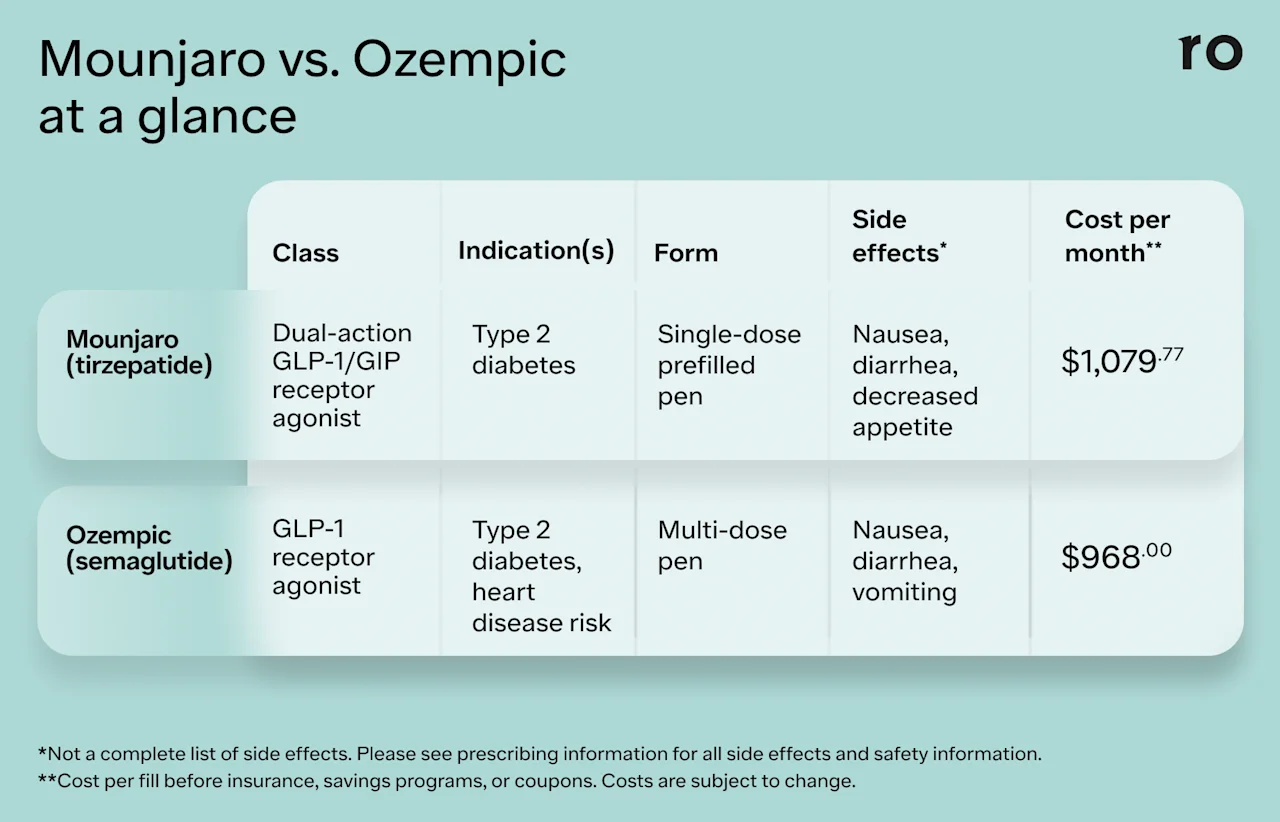
Retatrutide is a triple agonist designed to mimic the effects of three gut hormones: glucagon-like peptide-1 (GLP-1), glucose-dependent insulinotropic polypeptide (GIP), and glucagon. Unlike semaglutide (Ozempic) or tirzepatide (Mounjaro), which target only GLP-1 and GIP, retatrutide adds glucagon inhibition—a mechanism that may enhance fat breakdown and further reduce appetite.
The drug is administered via weekly subcutaneous injections, similar to existing GLP-1 agonists. Early trials have explored doses ranging from 4 mg to 48 mg, with higher doses correlating to greater weight loss but also increased side effects like nausea, diarrhea, and constipation. “The dose-response curve is steep,” noted Dr. Steven Smith, a lead investigator in the Phase 2b trial published in The New England Journal of Medicine. “We’re seeing diminishing returns beyond 24 mg, and side effects become more pronounced.”
How Does Retatrutide Compare to Ozempic and Mounjaro?
Retatrutide’s potential lies in its broader mechanism of action, which may address limitations of current drugs. A head-to-head comparison in a 2023 study in The Lancet found that while all three drugs produced significant weight loss, retatrutide led to:
- 24% average weight loss (vs. 15–20% for semaglutide and tirzepatide).
- Greater reductions in visceral fat (abdominal fat linked to metabolic diseases).
- Improved insulin sensitivity in some patients who did not respond to GLP-1/GIP agonists alone.
However, the study also highlighted that retatrutide’s side effects were more frequent at higher doses. “Patients on 48 mg reported nausea in nearly 60% of cases, compared to 30% for Mounjaro,” said Dr. Ana Gonzalez, an endocrinologist at the Mayo Clinic. “This suggests we may need to optimize dosing strategies to balance efficacy and tolerability.”
What Do the Latest Clinical Trials Show?
The most compelling data comes from Eli Lilly’s Phase 2b trial (NCT04654910), which enrolled 275 adults with obesity or overweight with at least one weight-related condition. Participants were randomized to receive:
- Placebo
- Retatrutide 4 mg
- Retatrutide 12 mg
- Retatrutide 24 mg
- Retatrutide 48 mg
After 48 weeks, the results were striking:
| Dose | % Weight Loss | HbA1c Reduction (Diabetes) | Nausea Reported |
|---|---|---|---|
| Placebo | 0.6% | 0.1% | 5% |
| 4 mg | 12.5% | 1.2% | 20% |
| 12 mg | 18.6% | 1.5% | 35% |
| 24 mg | 24.0% | 1.8% | 50% |
| 48 mg | 24.5% | 2.1% | 58% |
Source: NEJM 2023
While the weight loss figures are remarkable, experts caution that long-term data is lacking. “We don’t yet know if these effects are sustainable beyond a year, or if there are hidden risks like pancreatic changes or thyroid tumors,” said Dr. Patrizia Hardegger, director of the FDA’s Division of Metabolism and Endocrinology Products. The agency has not yet issued guidance on retatrutide but has expressed concerns about the rapid rise in GLP-1 agonist use, including off-label weight loss prescriptions.
What Are the Potential Risks and Side Effects?
The most common side effects reported in trials mirror those of other GLP-1 agonists but occur at higher rates:
- Gastrointestinal issues: Nausea (up to 58% at 48 mg), diarrhea, constipation, and vomiting.
- Hypoglycemia: Low blood sugar, particularly in patients also taking insulin or sulfonylureas.
- Injection-site reactions: Redness, itching, or swelling.
- Potential long-term risks: Gallbladder problems, pancreatitis, and thyroid C-cell tumors (a known risk with GLP-1 agonists, though rare in humans).
Eli Lilly has not yet released data on cardiovascular outcomes, a critical requirement for FDA approval. “The cardiovascular safety signal is a major hurdle,” said Dr. Robert Eckel, past president of the American Heart Association. “We need to see long-term data from Phase 3 trials before we can recommend this for widespread use.”
When Could Retatrutide Be Available?
Eli Lilly has not announced a timeline for submitting retatrutide to regulators, but industry analysts project Phase 3 trials could begin in 2024–2025, with potential FDA review as early as 2026–2027. “If the Phase 3 data replicates the Phase 2 results, we could see an approval within three years,” said Dr. John Reed, a biotech analyst at Cowen & Co. However, he added that competition from other triple agonists—such as Novartis’ PT142—could delay market entry.
For now, retatrutide remains an experimental treatment. Patients seeking weight loss or diabetes management should not rely on it as an option, according to Dr. Ann Albright, director of the CDC’s Division of Diabetes Translation. “We continue to recommend evidence-based approaches like lifestyle changes, approved medications, and bariatric surgery where appropriate,” she said.
Key Takeaways
- Retatrutide is a triple agonist targeting GLP-1, GIP, and glucagon, showing greater weight loss than current drugs in early trials.
- Average weight loss of 24% was observed in Phase 2b trials, with higher doses yielding better results but also more side effects.
- Gastrointestinal issues are common, particularly at doses above 24 mg, and long-term safety data is still lacking.
- FDA approval is not expected before 2026–2027, pending successful Phase 3 trials and cardiovascular safety data.
- Patients should not pursue retatrutide off-label; existing approved treatments remain the standard of care.
The next major checkpoint will be the publication of Phase 3 trial results, expected in 2025–2026. Eli Lilly has not disclosed specific trial sites or enrollment targets, but updates will likely be shared via their investor relations portal and ClinicalTrials.gov.
Have questions about retatrutide or its potential impact on obesity and diabetes treatment? Share your thoughts in the comments below or connect with us on Twitter or LinkedIn for updates as this story develops.
Keep reading