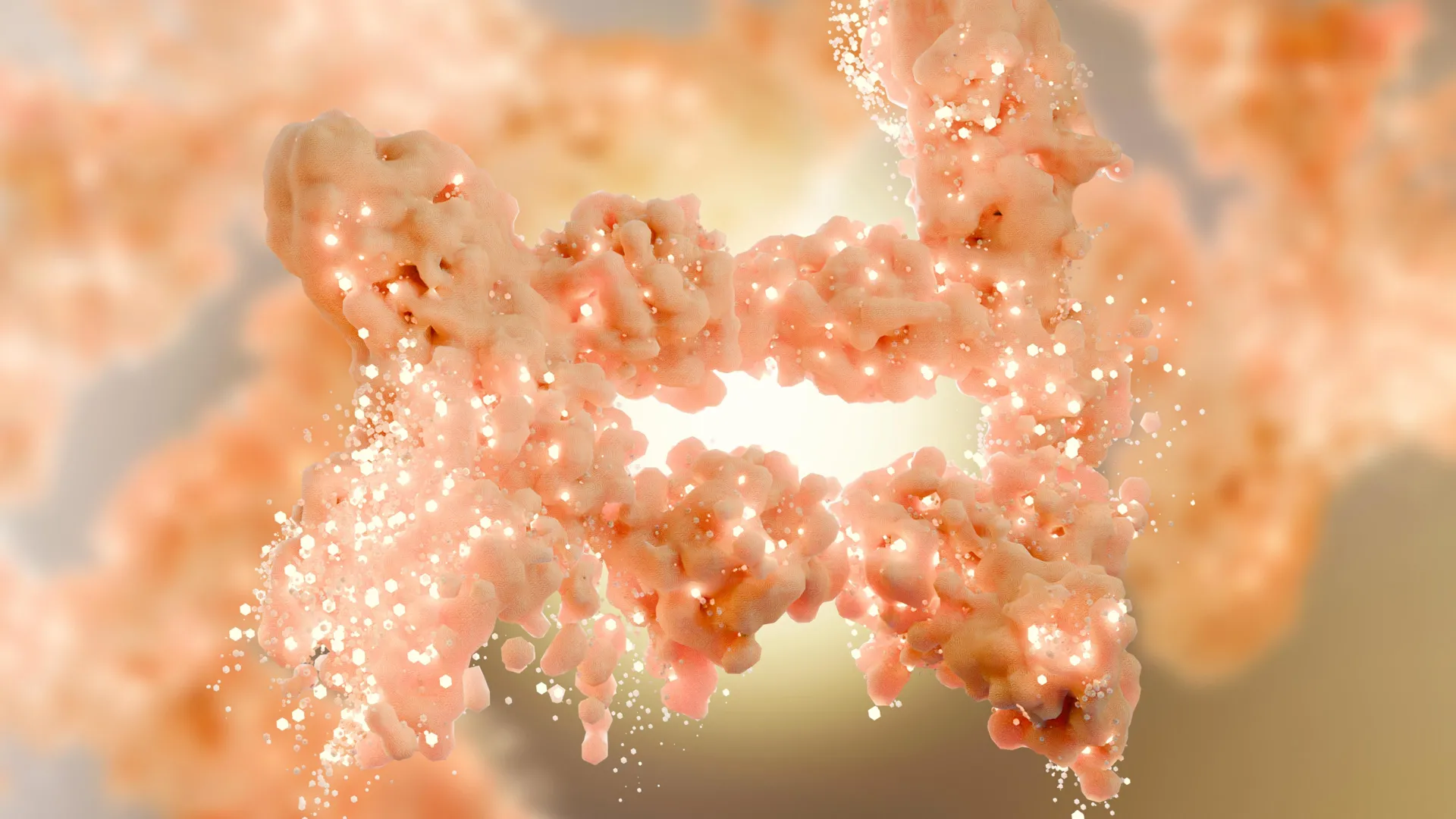
For decades, the scientific consensus on fat metabolism has been relatively straightforward: certain proteins act as keys to unlock energy stores. Specifically, Hormone-Sensitive Lipase (HSL) was understood primarily as the engine of lipolysis, the process of breaking down stored fats into energy. However, a groundbreaking discovery by researchers at the University of Toulouse is rewriting this fundamental understanding of how our bodies manage adipose tissue.
The new research reveals that HSL does far more than simply release fat. Contrary to the long-held belief that inhibiting this protein would lead to weight gain, the study found that when HSL is missing or disrupted, the body does not accumulate more fat. Instead, it suffers from a catastrophic loss of healthy fat tissue, leading to a condition known as lipodystrophy. This discovery shifts the paradigm of obesity research, suggesting that HSL is essential for maintaining the structural integrity and balance of fat tissue itself.
This shift in understanding has profound implications for how medical professionals approach metabolic disease. Rather than viewing fat simply as a reservoir to be depleted, this evidence suggests that the quality and maintenance of fat tissue are critical for overall metabolic health. When the body cannot maintain healthy fat depots, lipids spill over into other organs—such as the liver and muscles—increasing the risk of severe metabolic dysfunction.
The HSL Paradox: Beyond Energy Release
In traditional metabolic models, HSL was viewed as a catalyst for weight loss because it facilitates the release of fatty acids from adipocytes. Naturally, researchers hypothesized that a deficiency in HSL would lead to an inability to mobilize fat, thereby resulting in obesity. However, the findings from the University of Toulouse demonstrate a biological paradox: individuals and animal models with HSL mutations actually exhibit a reduction in fat mass.
The research indicates that HSL plays a vital role in the homeostasis of the adipocyte. Without it, the fat cells cannot maintain their healthy structure, leading to the premature disappearance of adipose tissue. This results in lipodystrophy, a state where the body lacks sufficient subcutaneous fat to safely store lipids. This is a critical distinction in obesity science, as it proves that the absence of a “fat-releasing” protein does not necessarily lead to “fat accumulation.”
From Healthy Storage to Metabolic Chaos
The danger of this discovery lies in what happens when the body loses its ability to store fat healthily. When HSL is disrupted and fat tissue vanishes, the body still consumes calories and produces lipids, but it has nowhere to put them. This leads to ectopic lipid deposition, where fats accumulate in non-adipose tissues.

This process often leads to:
- Hepatic Steatosis: The accumulation of fat in the liver, which can progress to inflammation, and scarring.
- Insulin Resistance: When lipids infiltrate muscle tissue, they interfere with the body’s ability to respond to insulin, significantly increasing the risk of Type 2 diabetes.
- Cardiovascular Strain: The systemic imbalance of lipids can lead to higher levels of circulating triglycerides, affecting heart health.
Redefining Obesity and Metabolic Disease
This discovery challenges the simplistic “calories in, calories out” narrative and even the more complex “hormonal balance” models of obesity. It introduces the concept of adipose tissue health as a primary driver of metabolic stability. Obesity, in this new light, may not just be about having too much fat, but about the failure of the body to manage that fat healthily.
By identifying HSL as a maintainer of fat tissue balance, researchers have opened a new door for therapeutic intervention. Instead of focusing solely on the depletion of fat, future treatments may aim to support the health and “expandability” of adipose tissue to prevent the toxic spillover of lipids into the organs.
As a physician and journalist, I find this particularly compelling because it highlights the necessity of “healthy” fat. For years, public health messaging has focused on the elimination of fat; however, this science reminds us that the body requires functional, healthy adipose tissue to protect the rest of the endocrine system from metabolic collapse.
Key Takeaways for Patients and Researchers
- HSL’s Dual Role: HSL is not just for energy release; It’s critical for the survival and maintenance of healthy fat cells.
- The Risk of Lipodystrophy: A lack of HSL can lead to the loss of fat tissue, which is more metabolically dangerous than having excess fat.
- Ectopic Fat: When healthy fat storage fails, lipids accumulate in the liver and muscles, driving insulin resistance.
- New Therapeutic Targets: The focus of obesity treatment may shift toward maintaining adipose tissue health rather than just reducing fat mass.
What Happens Next?
The scientific community is now looking toward how these findings can be translated into clinical practice. The next confirmed checkpoint for this line of research involves the development of targeted therapies that can mimic the tissue-maintaining effects of HSL without triggering excessive lipolysis. Researchers are currently analyzing genomic data from patients with rare HSL mutations to determine if specific “protective” variants exist that could serve as a blueprint for new medications.
As we continue to uncover the complexities of human metabolism, it becomes clear that the path to health is not always about less, but about balance. We invite our readers to share their thoughts on these developments in the comments below and share this article with those interested in the future of metabolic medicine.
Keep reading