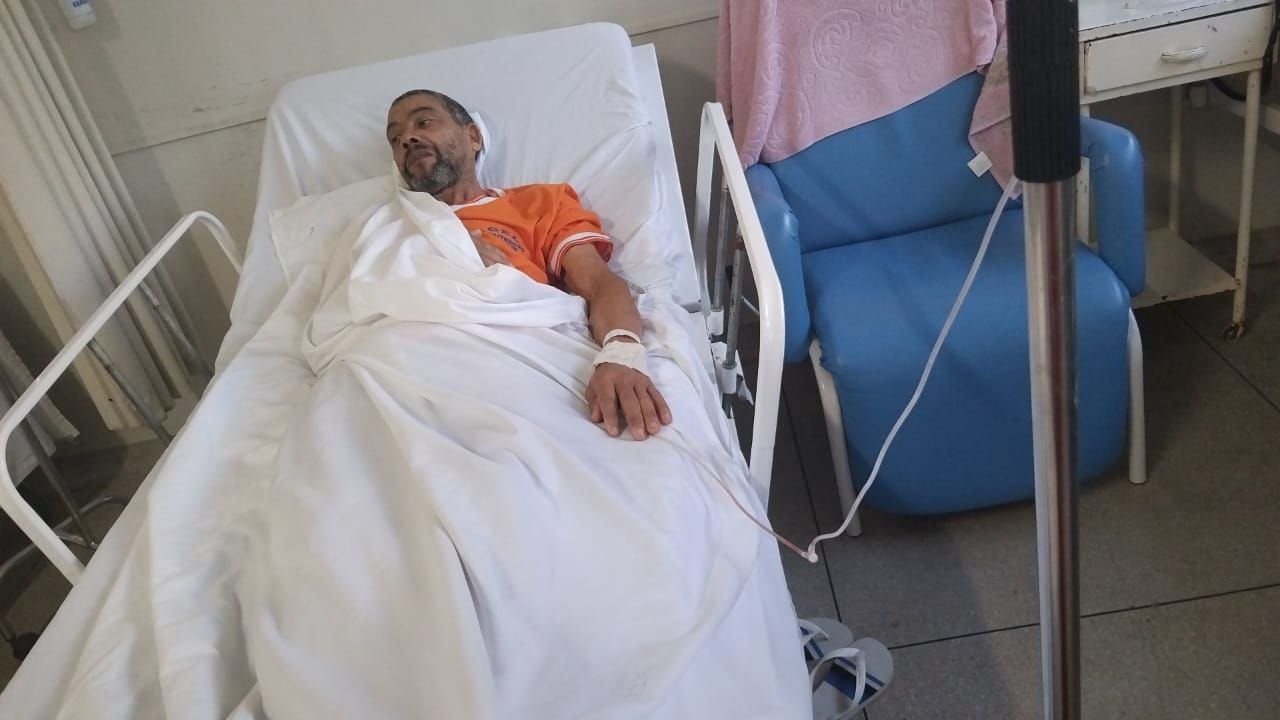
In the complex landscape of regional public health infrastructure, the timely transfer of patients between healthcare facilities remains a critical challenge for medical systems globally. When patients require specialized neurological interventions that are unavailable at their local point of care, the efficiency of inter-hospital coordination can become a matter of urgent clinical necessity. Recently, concerns have been raised regarding the logistics of patient transfers in the Tocantins region, highlighting the systemic pressures faced by regional hospitals when managing complex cases that necessitate specialized diagnostics and tertiary care.
For patients facing neurological conditions, such as suspected Normal Pressure Hydrocephalus (NPH), the path to diagnosis and treatment often involves highly specific imaging and surgical consultation. As medical professionals emphasize, the management of these conditions—which may manifest through symptoms like gait disturbances or cognitive changes—requires a multidisciplinary approach that is frequently concentrated in larger, high-complexity medical centers. The inability to secure a transfer bed in a timely manner can delay the initiation of essential diagnostic protocols, creating significant stress for both the patients and their families as they navigate the limitations of the current healthcare network.
The Challenges of Specialized Neurological Care
Neurological conditions require a specialized environment for both accurate diagnosis and ongoing management. In cases involving suspected hydrocephalus, clinicians typically look for specific clinical markers that necessitate advanced neuroimaging, such as magnetic resonance imaging (MRI) with flow studies to evaluate cerebrospinal fluid dynamics. These diagnostic tools are not universally available in all regional facilities, which often rely on a referral system to larger, more equipped hospitals to ensure patient safety and optimal outcomes.
The process of transferring a patient from a smaller regional unit to a larger, more specialized facility is governed by regional health coordination protocols. These systems are designed to match the patient’s clinical needs with the available resources of the network. However, the reality on the ground often involves a high volume of requests, where the availability of beds—particularly in specialized units like neurology or neurosurgery—is strictly limited. When these beds are occupied, the receiving facility must triage based on clinical acuity, which can lead to prolonged waiting periods for patients whose conditions, while serious, may be managed under clinical observation in their current location.
Infrastructure and Systemic Limitations
The broader conversation regarding hospital capacity often touches upon the distribution of medical specialists and diagnostic equipment. In many regions, there is a recognized gap between the demand for highly technical medical services and the physical infrastructure available to provide them. This geographic disparity necessitates the movement of patients across large distances, a process that inherently carries its own risks and logistical hurdles. Medical administrators and health policy experts frequently cite the need for enhanced regional integration to ensure that no patient is left waiting for care due to procedural bottlenecks.
For families, the uncertainty of waiting for a transfer can be an overwhelming experience. The emotional toll of observing a loved one undergo clinical monitoring in a facility that may not be equipped for their long-term neurological needs is significant. Clear communication from hospital leadership regarding the status of transfer requests is an essential component of patient-centered care, as it helps families understand the logistical realities—such as the lack of available vacancies at referral hospitals—that currently dictate the pace of medical transfers.
Moving Forward: Addressing the Gap in Care
Addressing the challenges of patient transfers requires a multifaceted strategy that includes investment in regional diagnostic capabilities and better coordination between primary, secondary, and tertiary care providers. By improving the ability of local units to perform initial diagnostics, healthcare systems can potentially reduce the number of necessary transfers, thereby alleviating the pressure on high-complexity centers. The implementation of more robust digital health records and real-time bed management systems can provide administrators with a clearer view of available resources, allowing for more efficient decision-making during critical patient care scenarios.

As the healthcare sector continues to evolve, the focus remains on ensuring that every patient, regardless of their location, has access to the specialized care they require. The ongoing efforts to streamline transfer protocols and expand the reach of neurological expertise are vital steps toward building a more resilient and responsive medical network. Continuous monitoring of these systems, coupled with transparent reporting on capacity and wait times, will be crucial in maintaining public trust and improving outcomes for patients with complex neurological needs.
For those seeking to understand how patient transfer systems function in their own jurisdictions, it is recommended to consult with local health department guidelines or the patient advocacy offices within their regional hospital networks. These offices can provide information on the standard procedures for requesting transfers and the criteria used to prioritize patients in need of specialized care. We invite our readers to share their perspectives on how healthcare systems can better address the logistical challenges of patient transfers, as we continue to track developments in regional medical infrastructure and public health policy.
Related reading