
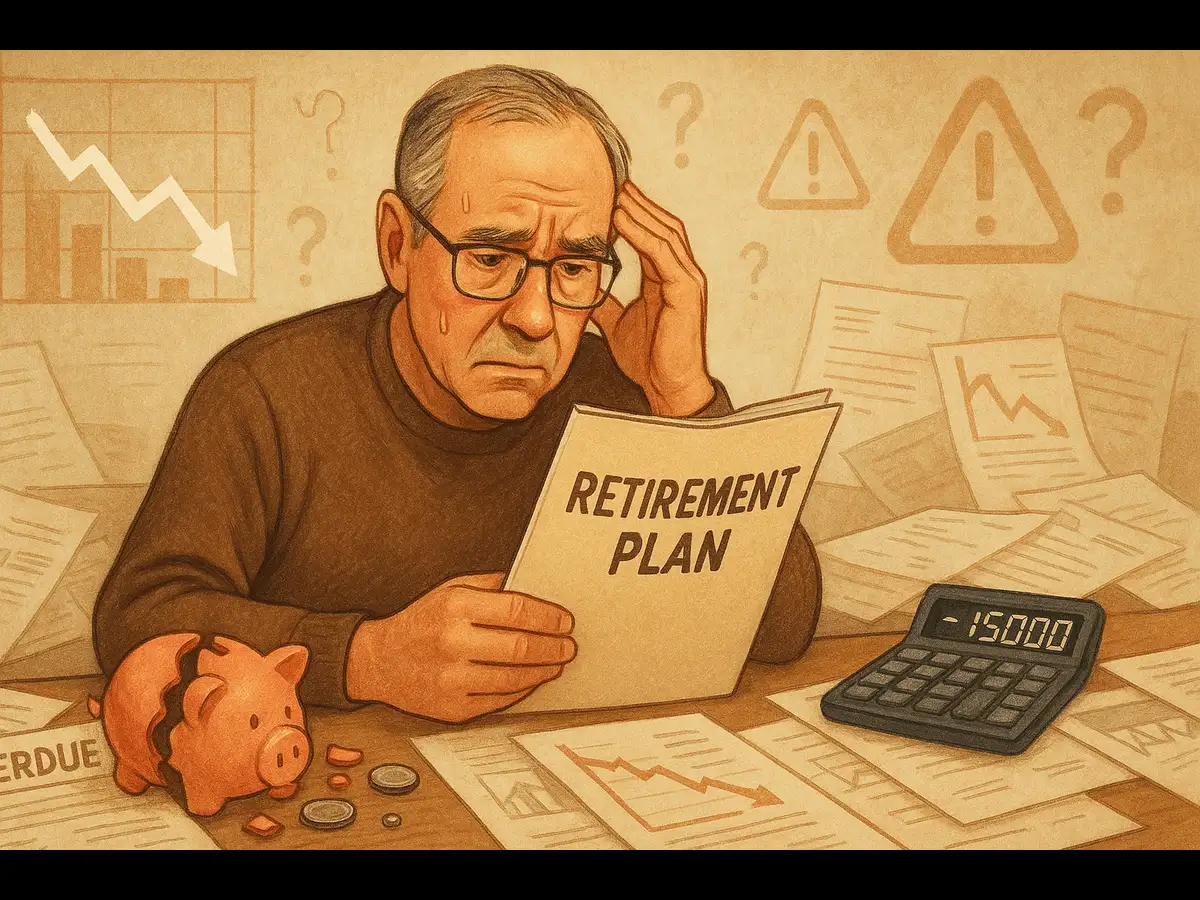
In South Korea, where retirement often brings reduced income but persistent financial obligations, retirees face a growing frustration: the burden of national health insurance premiums—a cost that continues to rise even as their earnings shrink. This disparity has become a focal point for political debate, particularly as opposition parties, including the Democratic Party of Korea (더불어민주당, Daebureo Minju-dang), push for reforms to make the system more equitable. The issue underscores a broader tension between fiscal sustainability and social welfare, with retirees demanding relief from what they perceive as an unfair system.
The core of the controversy lies in the structure of South Korea’s National Health Insurance Service (NHIS), a mandatory program that covers nearly all citizens. Premiums are calculated based on income, meaning retirees with lower pensions or savings still face significant monthly deductions. According to recent data from the NHIS, retirees in the bottom income quintile—those earning less than 1.5 million won monthly—pay an average of 250,000 won per month in premiums, a figure that can strain fixed-income budgets. Meanwhile, the NHIS’s total revenue in 2025 exceeded 58 trillion won, with premiums accounting for roughly 60% of its funding. Critics argue that the system is designed more for middle-class earners than for retirees whose incomes have plateaued or declined.
Opposition lawmakers, including those from the Democratic Party, have framed the issue as a matter of intergenerational fairness. “Retirees have contributed their entire working lives to this system, yet they are now being asked to bear an outsized burden in their golden years,” said Rep. Lee Jae-myung, a senior member of the party and a vocal advocate for reform. “This is not just about affordability—it’s about recognizing the sacrifices of an entire generation.” The party’s proposals include capping premiums for retirees at a fixed percentage of their pension income, currently set at a sliding scale that can reach up to 9% of monthly earnings for high-income retirees. They argue for subsidies or exemptions for low-income retirees, though specifics remain under debate.
The government, led by President Yoon Suk-yeol’s conservative administration, has defended the current system, citing its role in maintaining universal healthcare. In a statement released last month, the Ministry of Health and Welfare emphasized that premiums are tiered to ensure solvency and that adjustments are made annually based on economic conditions. However, the ministry has not yet proposed concrete reforms to address retirees’ concerns, leaving the Democratic Party to frame the issue as a political priority ahead of next year’s legislative elections.
Why the Debate Over Retiree Health Premiums Matters
The tension between retirees and the NHIS reflects deeper challenges in South Korea’s social safety net. With a rapidly aging population—over 16% of Koreans are now 65 or older—the government faces pressure to balance healthcare costs with pension sustainability. The NHIS, while widely praised for its efficiency, has long relied on income-based premiums, a model that assumes earners will continue to see wage growth. For retirees, however, this assumption often fails, leaving them vulnerable to premium increases that outpace inflation.
Economists note that the issue is not unique to South Korea. Many advanced economies grapple with similar dilemmas as populations age and healthcare costs rise. However, South Korea’s dual-pension system, which combines public pensions with mandatory private savings, adds complexity. Retirees who relied heavily on private savings may face higher out-of-pocket costs for healthcare, exacerbating the disparity. “The system was designed for a younger workforce, not a society where half the population is over 50,” said Dr. Park Sung-bae, a professor of economics at Seoul National University. “We need a fundamental reassessment of how we fund healthcare in an aging society.”
The Democratic Party’s Proposals: What’s on the Table?
The Democratic Party has outlined several policy options to alleviate retirees’ premium burdens, though none have yet been formally introduced as legislation. Key proposals include:

- Income-based caps: Limiting premiums to a maximum of 7% of pension income for retirees, down from the current sliding scale that can reach 9% for high earners.
- Subsidized premiums: Introducing a means-tested subsidy for retirees earning below 2 million won monthly, covering up to 30% of their premium costs.
- Asset-based adjustments: Allowing retirees to offset premiums by declaring non-pension assets (e.g., property, savings) to reduce their effective income bracket.
- Phased reductions: Gradually lowering premiums for retirees over a 5-year period, funded by reallocating savings from administrative costs or fraud prevention.
Critics of these proposals warn that any changes must be paired with measures to prevent a shortfall in NHIS revenues. The NHIS’s 2025 financial report projects a 1.2% deficit if premiums are reduced without corresponding increases in other revenue streams, such as taxes or co-payments. The Ministry of Health and Welfare has not ruled out tax adjustments, but political resistance remains high given South Korea’s already high tax burden.
Who Stands to Gain—or Lose?
The impact of any reforms would vary significantly by income group. Retirees in the lowest quintile—those with pensions under 1.5 million won monthly—would see the most immediate relief, with potential savings of up to 150,000 won annually under the Democratic Party’s cap proposal. Middle-income retirees (earning between 2 and 4 million won monthly) might see modest reductions, while high-income retirees could face little change unless broader tax reforms are enacted.
However, the NHIS’s overall financial health could be at risk. The service’s reserve fund, which stood at 8.7 trillion won in 2025, provides a buffer but is not infinite. Economists caution that aggressive premium reductions could force the NHIS to rely more heavily on government subsidies, increasing the fiscal burden on taxpayers. “This is a zero-sum game in the short term,” said Kim Hyun-joong, a senior researcher at the Korea Institute of Public Finance. “We need to find a way to protect retirees without destabilizing the system for future generations.”
What Happens Next: The Path to Reform
With the Democratic Party positioning healthcare reform as a centerpiece of its 2027 election platform, the issue is likely to dominate legislative debates in the coming months. The party has signaled it will introduce a health insurance reform bill in the third quarter of 2026, though passage is far from guaranteed given the current conservative majority in the National Assembly. President Yoon’s administration has not indicated support for the Democratic Party’s proposals but has acknowledged the need for “targeted relief” for vulnerable retirees.
The next critical deadlines include:
- June 2026: The NHIS is expected to release its 2026 financial outlook, which may influence the government’s willingness to consider premium adjustments.
- September 2026: The Democratic Party plans to hold a public hearing on retiree healthcare costs, inviting economists, retiree advocacy groups, and NHIS officials to discuss policy options.
- November 2026: The National Assembly’s Health and Welfare Committee is scheduled to review potential legislative changes, with a vote expected in early 2027.
For retirees watching this debate unfold, the stakes are personal. The NHIS’s official portal offers tools to estimate premium costs based on income, and retirees are encouraged to submit feedback via the NHIS Customer Service Center (1331). Advocacy groups, such as the Korean Federation of Retirees’ Associations, are also mobilizing to push for reform, organizing protests and petition drives.
Key Takeaways
- The National Health Insurance Service (NHIS) in South Korea relies on income-based premiums, which disproportionately burden retirees with lower pensions.
- The Democratic Party of Korea is advocating for premium caps and subsidies, framing the issue as a matter of intergenerational fairness.
- Reforms face financial risks, as NHIS reserves are limited and any reductions in premiums may require additional revenue sources.
- The next steps include NHIS financial reports in June 2026, a Democratic Party hearing in September, and potential legislative action in late 2026 or early 2027.
- Retirees can use the NHIS portal to estimate costs and submit feedback to policymakers.
As South Korea’s population continues to age, the debate over retiree healthcare costs will likely intensify. For now, retirees remain in a precarious position—caught between a system designed for a younger workforce and political gridlock over how to adapt. The coming months will be critical in determining whether South Korea can strike a balance between fiscal responsibility and social equity.
What are your experiences with healthcare costs in retirement? Share your thoughts in the comments below, and don’t forget to follow World Today Journal for updates on this developing story.
- Best Used Motorcycles to Buy in 2026: Durable, Fuel-Efficient, and Value-Stable Models
- Spain’s Foreign Policy Crisis: Losing Trust as a Western Ally
- Walnuts vs. Almonds: Which Is Better for Heart Health? (newsdirectory3.com)
- RAP vs. IBR: What Your New Student Loan Bill Actually Costs (daybreakwire.com)