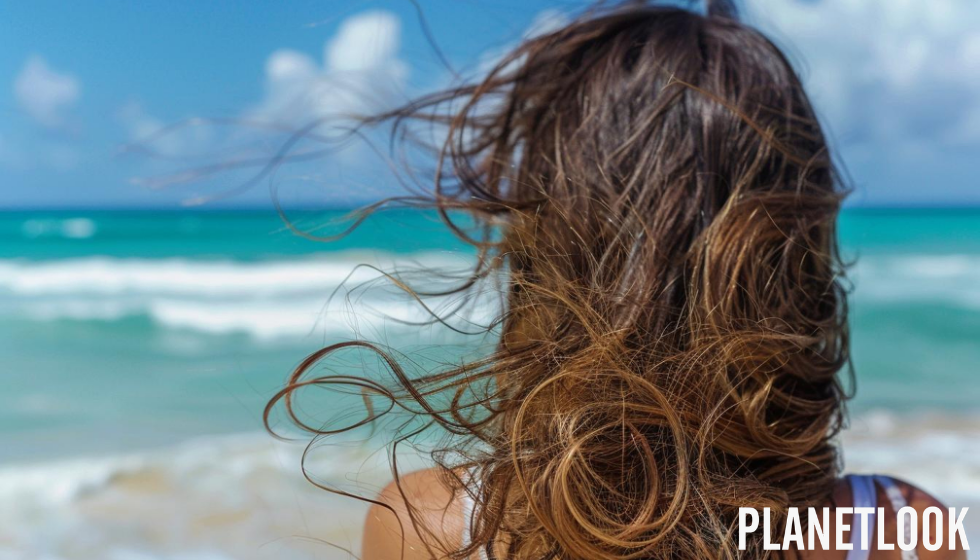
As the summer season transitions into autumn, many individuals report an increase in hair concerns, ranging from dryness and brittleness to seasonal shedding. Dermatological experts often highlight that environmental factors such as prolonged UV exposure, chlorine from swimming pools, and increased humidity can compromise the integrity of the hair cuticle. Addressing these post-summer hair recovery needs, RevitaLash Cosmetics has outlined a structured approach to scalp and hair health, emphasizing the role of targeted conditioning agents in stabilizing the hair fiber.
The core of this approach involves a multi-step regimen designed to restore hydration and structural support. According to clinical guidance on hair care, the transition to cooler weather is an optimal time to assess scalp health, as the skin barrier can become dehydrated following months of environmental stress. For those seeking to mitigate damage, the integration of specific thickening conditioners is frequently recommended to improve the appearance of volume and provide essential nourishment to the hair shaft.
The Science of Hair Recovery Post-Summer
Hair fiber is composed primarily of keratin, a structural protein that is susceptible to degradation by ultraviolet radiation. Research published by the American Academy of Dermatology indicates that sun exposure can break down the protein structure of the hair, leading to increased porosity and split ends. When hair is porous, it loses moisture more rapidly, making it essential to use products that can effectively seal the cuticle and provide a protective layer.
RevitaLash Cosmetics suggests that their Thickening Conditioner serves as a foundational element in this recovery process. By focusing on the health of the scalp—the site of hair follicle activity—these formulations aim to create an environment conducive to stronger growth. The application of conditioning agents is not merely cosmetic; it serves a functional purpose by reducing friction between hair strands, which in turn minimizes mechanical breakage during brushing and styling.
Optimizing the Scalp Microbiome
A healthy scalp is the primary determinant of hair quality. The scalp contains a complex microbiome that can be disrupted by sweat, salt, and product buildup accumulated during the summer months. According to the National Center for Biotechnology Information (NCBI), maintaining a balanced scalp environment is critical to preventing inflammation, which can negatively impact the hair growth cycle. Products designed for thickening often include ingredients intended to soothe the scalp and clear debris from the follicles.
When selecting a conditioner for recovery, dermatologists generally advise looking for formulations that avoid harsh sulfates, which can strip the scalp of its natural oils. The emphasis on hydration in modern hair care products, such as the Thickening Conditioner mentioned in recent industry updates, reflects a shift toward holistic scalp maintenance. These products typically work by depositing lipids and humectants that penetrate the cortex, effectively reinforcing the hair fiber from the inside out.
Practical Steps for Hair Maintenance
Effective hair recovery requires consistency. Beyond the use of specialized conditioners, experts recommend several practices to support the hair during the seasonal change:
- Gentle Cleansing: Utilize lukewarm water instead of hot water to prevent further stripping of natural moisture from the scalp.
- Moisture Retention: Apply conditioners from the mid-lengths to the ends, focusing on the areas most affected by sun and environmental damage.
- Reduced Heat Styling: Minimize the use of blow dryers and flat irons to allow the hair to recover its natural elasticity.
- Scalp Massage: Incorporate light manual massage during product application to stimulate blood flow to the hair follicles, as noted in studies regarding scalp massage and hair thickness.
As users transition their beauty routines for the upcoming months, the focus remains on replenishing the protein and moisture lost during the summer. While recovery takes time—often requiring several weeks of consistent care to observe visible improvements in hair texture and volume—the combination of proper nutrition, hydration, and targeted topical treatments provides the most effective pathway to restoration.
Readers interested in tracking the latest developments in dermatological research and hair care innovation can monitor updates from the American Academy of Dermatology for ongoing guidance on seasonal hair maintenance. We encourage you to share your experiences or questions regarding your own hair recovery journey in the comments section below.
Worth a look