
The Revival of Iconic Italian Cars: How Classic Automobiles Are Being Reborn for Modern Drivers
In an era where electric vehicles dominate headlines and futuristic designs shape the automotive landscape, Italy’s automotive heritage is experiencing a remarkable renaissance. From the rolling hills of Tuscany to the bustling streets of Milan, manufacturers are breathing new life into cult classic cars from the mid-20th century—marrying timeless Italian design with cutting-edge technology and modern sustainability. This revival isn’t just about nostalgia; it’s a strategic move to appeal to younger generations while preserving automotive history for future admirers.
The trend has gained significant traction in recent years, with major Italian automakers announcing limited-edition reissues, full-scale restorations, and even entirely new models inspired by legendary predecessors. Industry analysts suggest this resurgence is driven by a global appetite for authenticity in an age of mass-produced vehicles, as well as a growing interest in sustainable mobility that classic cars—when properly maintained—can embody.
For automotive enthusiasts and collectors, this revival represents more than just a marketing strategy; it’s a cultural phenomenon that bridges generations. As we explore this movement, we’ll examine which iconic models are making a comeback, how modern technology is transforming these vintage vehicles, and why this trend is resonating with drivers worldwide.
Why Are Classic Italian Cars Making a Comeback?
The resurgence of Italian classic cars can be attributed to several key factors. First, there’s the undeniable emotional appeal of these vehicles. Italian automakers like Ferrari, Lamborghini, Alfa Romeo, and Fiat have long been synonymous with passion, craftsmanship, and performance. Models from the 1950s through the 1980s—such as the Ferrari 250 GTO, Lamborghini Miura, Alfa Romeo Giulia, and Fiat 124 Spider—have achieved near-mythical status among collectors and enthusiasts.
Second, the global economy’s fluctuation in recent years has led to a surge in interest for alternative investments. Classic cars, particularly Italian models, have historically appreciated in value, making them attractive assets for investors. According to a 2023 Bonhams report, Italian classic cars consistently rank among the top performers at auction, with certain models achieving record-breaking prices. For instance, a restored Ferrari 250 GTO sold for over $70 million at auction in 2022, underscoring the enduring demand for these automotive masterpieces.
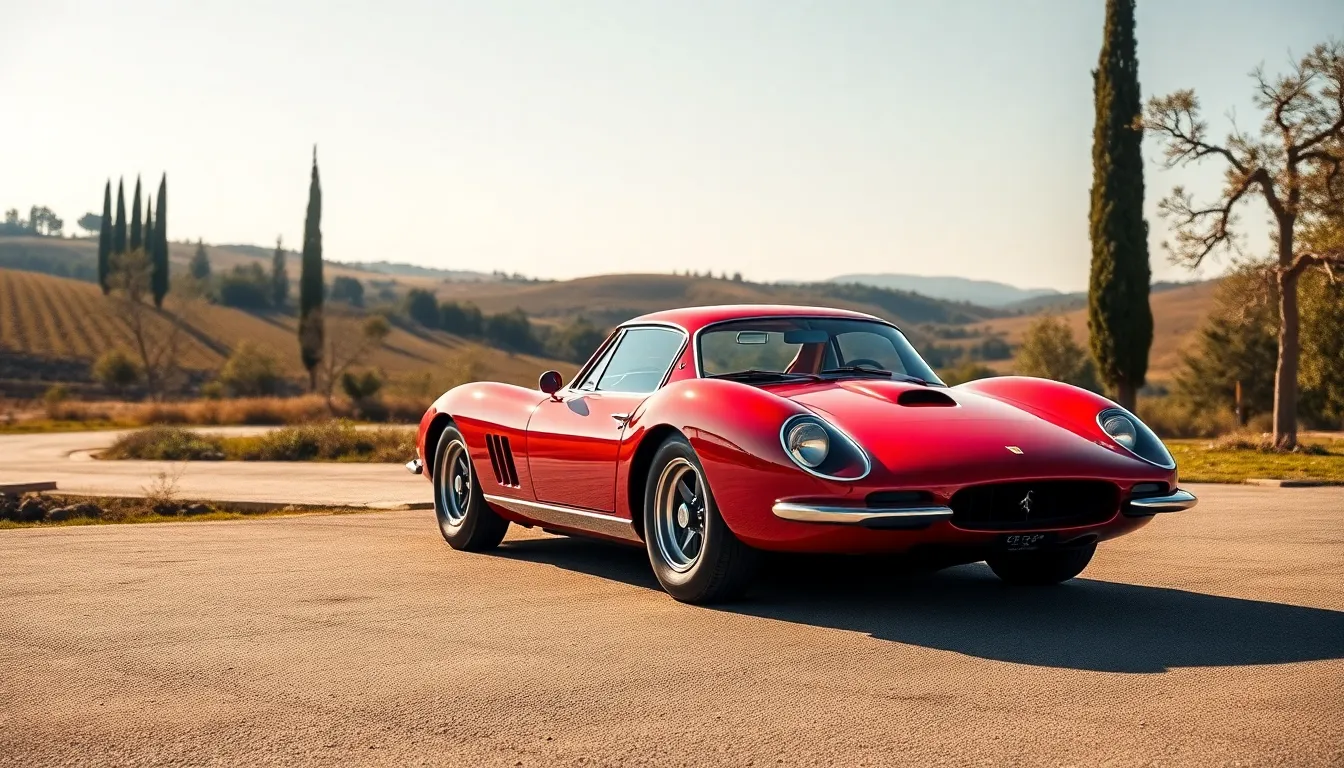
Finally, there’s the growing movement toward sustainability within the automotive industry. While electric vehicles (EVs) dominate discussions around eco-friendly transportation, classic cars—when maintained with modern emissions standards and sustainable practices—offer a unique alternative. Many of these vehicles were originally designed with lightweight materials and efficient engines, making them surprisingly eco-conscious compared to modern SUVs and trucks. The restoration and preservation of classic cars create jobs in specialized workshops and foster a culture of sustainability through reuse and repurposing.
Iconic Italian Models Being Reborn
The revival of Italian classic cars is perhaps best illustrated by the models that are being reintroduced or reimagined by their original manufacturers. Here are some of the most notable examples:
- Ferrari 250 GT California: Ferrari’s modern interpretation of the 1950s roadster, the 250 GT California, has become one of the most sought-after classic cars in recent years. The original model was a symbol of luxury and performance, and Ferrari’s 2020 reissue—limited to just 599 units—sold out within hours of its announcement. The new version features modern safety and comfort upgrades while retaining the original’s iconic design cues, such as the long hood and distinctive headlights.
- Lamborghini Miura: Often regarded as one of the most beautiful cars ever made, the Miura was Lamborghini’s first mid-engine sports car, debuting in 1966. While Lamborghini hasn’t announced a direct reissue, the brand has paid homage to the Miura in recent concept cars and limited-edition models, such as the Huracán Sterrato, which borrows elements from the Miura’s aggressive styling.
- Alfa Romeo Giulia: The Giulia, produced from 1962 to 1977, is celebrated for its timeless design and sporting prowess. Alfa Romeo’s modern Giulia Quadrifoglio, introduced in 2016, is a spiritual successor to the classic model, featuring a four-wheel-drive system and a powerful V6 engine. The new Giulia has been praised for its blend of retro styling and contemporary performance, appealing to both purists and younger drivers.
- Fiat 124 Spider: Fiat’s iconic roadster, produced from 1966 to 1985, has seen a resurgence in popularity, particularly in its modern form. The Fiat 124 Spider, reintroduced in 2016 as a joint venture between Fiat and Mazda, has become a symbol of affordable Italian sports car heritage. Its lightweight construction and rear-wheel-drive layout make it a favorite among driving enthusiasts, while its retro design pays homage to the original.
- Maserati Quattroporte: The Quattroporte, Maserati’s flagship sedan, has a storied history dating back to 1963. The modern Quattroporte, introduced in 2013, builds on this legacy with a blend of luxury and performance. Maserati has also reintroduced classic models like the MC12, a limited-edition homage to the brand’s racing heritage, which sold for over $2 million each.
These models represent just a fraction of the Italian classics being celebrated and reimagined today. Other notable mentions include the Lancia Fulvia, Abarth 1000SP, and Iso Rivolta GT, all of which have seen renewed interest from collectors and manufacturers alike.
Modern Technology Meets Classic Design
One of the most fascinating aspects of this revival is how modern technology is being integrated into classic Italian cars. Manufacturers are not simply reissuing old models; they are enhancing them with contemporary innovations to make them safer, more efficient, and more enjoyable to drive.
For example, Ferrari’s modern 250 GT California features advanced driver-assistance systems (ADAS), including adaptive cruise control and lane-keeping assist, which were unheard of in the 1950s. The car also incorporates modern suspension technology and braking systems, ensuring that drivers experience the same thrilling performance as the original while benefiting from improved safety and comfort.
Similarly, Alfa Romeo’s Giulia Quadrifoglio combines the classic Giulia’s iconic design with a turbocharged V6 engine, eight-speed automatic transmission, and a four-wheel-drive system. The interior has been updated with premium materials and cutting-edge infotainment, including a 10.25-inch touchscreen display and Apple CarPlay integration. These upgrades not only enhance the driving experience but also make the car more appealing to a younger audience.
In the realm of sustainability, some manufacturers are exploring hybrid or electric versions of classic models. For instance, Pininfarina, the legendary Italian design house, has collaborated with various automakers to develop concept cars that blend vintage aesthetics with modern electric powertrains. While these concepts are not yet in production, they represent a promising direction for the future of classic car revival.
The Role of Collectors and the Secondary Market
The resurgence of Italian classic cars is not solely driven by manufacturers; it’s also fueled by a passionate community of collectors and enthusiasts. The secondary market for classic Italian cars has seen unprecedented growth, with auction houses like Bonhams, Christie’s, and RM Sotheby’s reporting record sales for these vehicles.
According to a 2023 Artnet report, the classic car market has become one of the most lucrative segments of the luxury goods industry, with Italian models leading the charge. The report highlights that the average sale price for a classic Italian car has increased by over 20% in the past five years, with certain rare models appreciating at a rate of 30% annually.
Collectors are not only interested in purchasing these cars; they are also investing in their restoration and preservation. Specialized workshops across Italy, such as those in Modena, Turin, and Milan, have seen a surge in demand for expert restoration services. These workshops employ master craftsmen who use original techniques and materials to bring classic cars back to their former glory.
the rise of online marketplaces and digital platforms has made it easier than ever for collectors to connect with sellers, auction houses, and restoration experts. Websites like Bring a Trailer, Classic.com, and even social media platforms like Instagram and Facebook have become vital tools for the classic car community, allowing enthusiasts to share their passion and discover rare finds.
Challenges and Considerations
While the revival of Italian classic cars is undoubtedly exciting, it is not without its challenges. One of the primary concerns is the authenticity of these modern reissues. Purists argue that some manufacturers are prioritizing sales over heritage, leading to criticisms that certain models lack the soul of their original counterparts.
For example, while Ferrari’s 250 GT California is widely praised for its faithfulness to the original, some enthusiasts have expressed disappointment with other reissues that feel more like marketing gimmicks than genuine tributes. To address these concerns, manufacturers are increasingly collaborating with historians, designers, and engineers who worked on the original models to ensure authenticity.

Another challenge is the environmental impact of classic car ownership. While these vehicles are often seen as eco-friendly compared to modern SUVs, their maintenance—particularly if they require frequent repairs or modifications—can be resource-intensive. To mitigate this, some collectors and manufacturers are exploring ways to make classic car ownership more sustainable, such as using recycled materials in restorations and promoting car-sharing programs for rare models.
Finally, the high cost of these vehicles remains a barrier for many enthusiasts. A restored Ferrari 250 GT California, for instance, can cost upwards of $500,000, while even the most affordable classic Italian models typically start at $50,000 or more. This exclusivity ensures that the market remains vibrant but also limits access to a broader audience.
What’s Next for Italian Classic Cars?
Looking ahead, the future of Italian classic car revival appears bright. Manufacturers are likely to continue reintroducing iconic models with modern upgrades, while the collector community will drive demand for rare and restored examples. Advancements in technology—such as electric powertrains and autonomous driving features—may lead to even more innovative reinterpretations of classic designs.
For those interested in exploring this world, We find several ways to get involved. Attending classic car auctions, joining enthusiast clubs, or even visiting historic Italian cities like Modena, where Ferrari and Lamborghini have their headquarters, can provide invaluable insights. Many museums and cultural institutions, such as the Maserati Museum in Modena and the Fiat Museum in Turin, offer exhibits that celebrate Italy’s automotive heritage.
As the industry continues to evolve, one thing is clear: the legacy of Italian classic cars is far from over. Their revival is not just a trend; it’s a testament to the enduring power of design, craftsmanship, and passion that has defined Italian automotive excellence for over a century.
Key Takeaways
- The revival of Italian classic cars is driven by nostalgia, investment potential, and a growing interest in sustainable mobility.
- Models like the Ferrari 250 GT California, Lamborghini Miura, Alfa Romeo Giulia, and Fiat 124 Spider are leading the resurgence, with modern technology enhancing their appeal.
- Collectors and the secondary market play a crucial role in maintaining demand, with auction houses reporting record sales for these vehicles.
- Challenges include ensuring authenticity, addressing environmental concerns, and managing the high cost of ownership.
- The future of Italian classic cars looks promising, with manufacturers likely to continue reintroducing iconic models and integrating modern innovations.
The next major checkpoint for this trend will be the 2026 Geneva Motor Show, where several Italian automakers are expected to unveil new classic-inspired models and limited-edition reissues. Keep an eye on announcements from Ferrari, Lamborghini, and Alfa Romeo, as they are likely to shape the direction of this revival in the coming years.
Have you experienced the thrill of driving a classic Italian car? Share your stories or favorite models in the comments below, or tag us on social media with #ItalianClassicCars. What iconic model would you love to see revived next?
Related reading