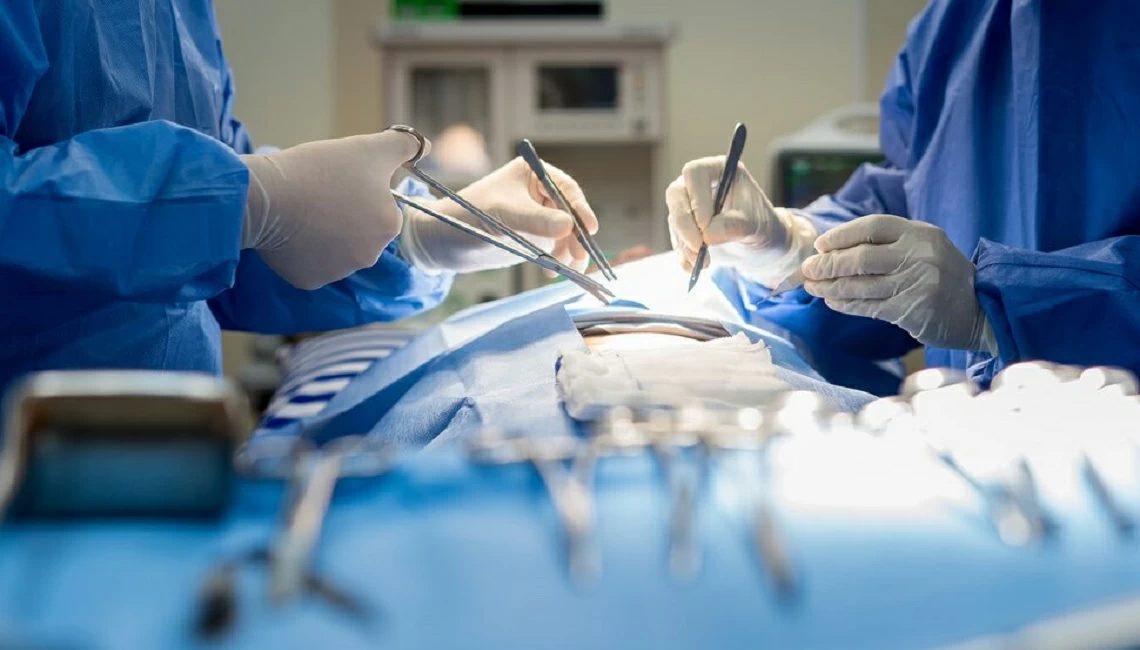
A transformative breakthrough in liver transplantation is emerging from research laboratories worldwide, offering hope to millions suffering from end-stage liver disease. Scientists are developing innovative techniques that could one day reduce or even eliminate the lifelong need for immunosuppressive drugs after a liver transplant. These advances, centered on inducing immune tolerance and engineering liver tissue in situ, represent a paradigm shift in transplant medicine. If successfully translated to clinical practice, such technologies could dramatically improve patient outcomes, reduce complications from long-term immunosuppression, and expand access to life-saving procedures.
The global burden of liver disease remains substantial, with cirrhosis and hepatocellular carcinoma accounting for over two million deaths annually, according to the World Health Organization. For many patients with acute liver failure or advanced cirrhosis, transplantation is the only curative option. Yet, the procedure carries significant risks, not least because recipients must take powerful anti-rejection medications for life. These drugs, even as preventing organ rejection, increase susceptibility to infections, kidney damage, diabetes, and certain cancers. Eliminating or minimizing this dependency has long been a holy grail in transplant immunology.
Recent studies have spotlighted several promising approaches. One strategy involves creating conditions where the recipient’s immune system learns to accept the transplanted liver as “self,” a state known as operational tolerance. Researchers at institutions including the University of Pittsburgh and Heidelberg University Hospital have identified specific biomarkers associated with tolerance in a small subset of liver transplant recipients who were able to safely discontinue immunosuppression under strict medical supervision. These findings, published in journals such as Hepatology and American Journal of Transplantation, suggest that mimicking this natural state could benefit a broader population.
Another avenue focuses on regenerative medicine techniques that encourage the growth of functional liver tissue within the patient’s own body. Using scaffolds seeded with liver cells or employing in vivo reprogramming of hepatocytes, scientists aim to boost the liver’s regenerative capacity so that partial transplants or even native tissue regeneration could suffice. A 2023 study in Nature Biomedical Engineering demonstrated that mice with liver injury showed improved function after receiving implanted bioengineered liver constructs that integrated with host vasculature and performed essential metabolic functions.
Cell-based therapies are also under investigation. Regulatory T cells (Tregs), which play a key role in maintaining immune tolerance, are being expanded ex vivo and reintroduced into transplant recipients to suppress harmful immune responses against the graft. Early-phase clinical trials, such as those conducted by the Immune Tolerance Network, have shown that Treg therapy is feasible and safe, with some patients exhibiting reduced inflammation markers and stable liver function without increased infection risk.
Meanwhile, advances in organ preservation and ex vivo perfusion systems are improving the quality of donor livers before transplantation. Technologies like normothermic machine perfusion allow organs to be maintained at body temperature with oxygenated blood and nutrients, reducing injury and enabling assessment of viability. This not only increases the number of usable organs but also creates opportunities to modify the graft immunologically — for example, by delivering tolerance-inducing agents directly to the liver prior to implantation.
Experts caution that while these developments are exciting, significant hurdles remain. Translating findings from animal models to humans requires rigorous clinical testing, and inducing durable tolerance without compromising the ability to fight infections is a delicate balance. Long-term data on safety and efficacy are still lacking for many of these approaches. Nevertheless, the convergence of immunology, bioengineering, and regenerative medicine is generating momentum toward a future where liver transplant recipients may enjoy graft acceptance without the burden of lifelong medication.
For patients and clinicians alike, the potential impact is profound. Freedom from immunosuppressants could mean fewer hospitalizations, better quality of life, and reduced healthcare costs over time. It could also make transplantation a viable option for more people, including those currently excluded due to concerns about drug toxicity. As research progresses, international collaboration and standardized protocols will be essential to move these innovations from the lab to the bedside safely and equitably.
The next milestone in this field is expected to come from ongoing Phase II clinical trials evaluating Treg-based therapies and engineered tissue constructs, with results anticipated in late 2025. These studies will provide critical insights into dosing, timing, and patient selection. Until then, the transplant community continues to advocate for cautious optimism — grounded in science, guided by ethics, and driven by the urgent need to improve outcomes for those awaiting a second chance at life.
To stay informed about the latest developments in transplant medicine and liver health, readers are encouraged to follow updates from authoritative sources such as the American Association for the Study of Liver Diseases (AASLD) and the European Liver Transplant Registry (ELTR). Share your thoughts and questions in the comments below, and help spread awareness of innovations that could redefine the future of liver transplantation.