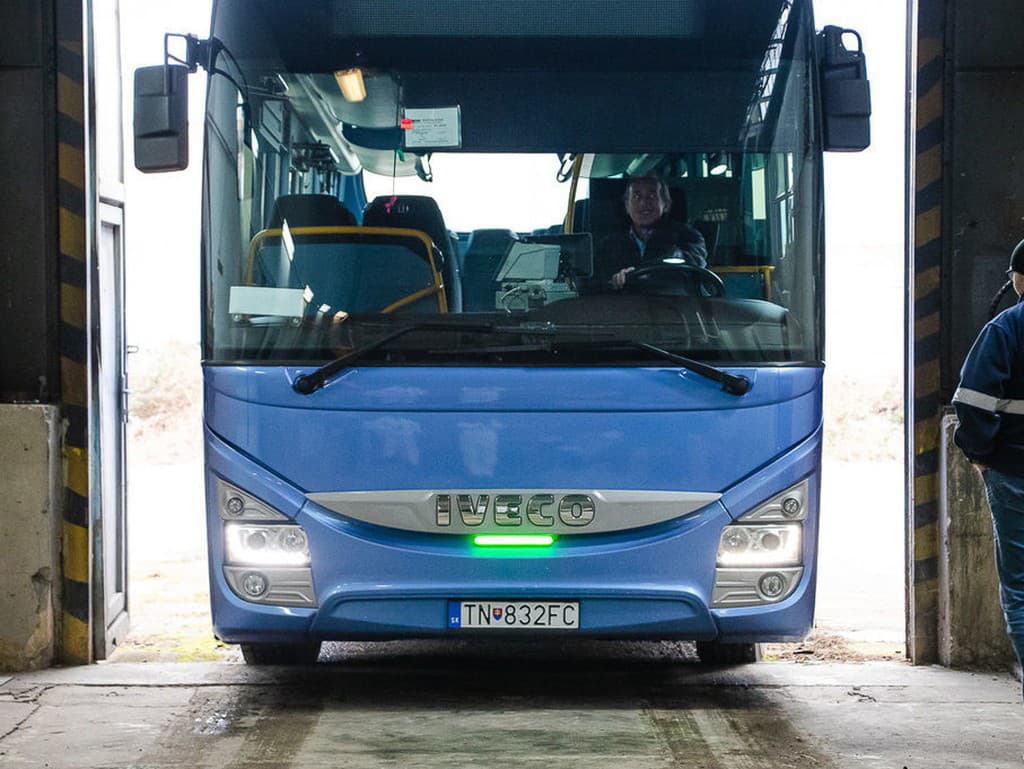
A Slovakian engineering firm has developed a modular kinetic energy recovery system designed to improve fuel efficiency and reduce emissions in internal combustion engine vehicles, with commercial integration expected within the coming months. The technology, which functions by capturing energy typically lost during braking and deceleration, is currently undergoing final testing protocols to meet European automotive regulatory standards for aftermarket and original equipment manufacturer (OEM) installation.
The system represents a significant shift in how secondary automotive components address the European Union’s increasingly stringent CO2 emission targets. By integrating a lightweight, modular kinetic storage unit, the developers aim to provide a scalable solution that can be retrofitted to existing vehicle platforms without requiring extensive chassis modifications. This approach is intended to lower the barrier for fleet operators and individual vehicle owners looking to comply with environmental mandates while reducing fuel expenditure.
The Engineering Behind Kinetic Recovery
At its core, the invention utilizes a proprietary flywheel-based energy storage mechanism. Unlike traditional battery-electric hybrids that rely on chemical energy conversion, this mechanical system stores kinetic energy as rotational force. When a driver engages the brakes, the system redirects energy that would otherwise be dissipated as heat through the brake pads into a high-speed rotor. According to specifications released by the engineering group, this stored energy is then released to assist the engine during acceleration, thereby reducing the load on the primary internal combustion powertrain.
The effectiveness of such systems is grounded in established thermodynamics and automotive engineering principles. The European Commission has long incentivized the adoption of “eco-innovation” technologies that contribute to real-world CO2 reduction beyond the standard test cycle. For a technology to be recognized under the EU CO2 emission performance standards, it must demonstrate a quantifiable and verifiable reduction in fuel consumption under varied driving conditions.
Path to Commercialization
The transition from laboratory prototype to consumer vehicle integration involves a rigorous certification process. Automotive components entering the European market must undergo type-approval testing to ensure they do not compromise vehicle safety or structural integrity. The Slovak developers have stated that they are coordinating with national transport authorities to finalize the necessary homologation documentation required for road-legal use across the European Economic Area.
Industry analysts suggest that the primary market for this technology will likely be commercial light-duty vehicles and logistics fleets. These sectors face intense pressure to lower operational costs, particularly as fuel prices remain volatile across the continent. By extending the service life of braking components and improving fuel efficiency by a projected margin of several percentage points, the system addresses two of the most significant line items in commercial vehicle maintenance. Official updates regarding the pilot programs for these fleets are expected to be published by the company in the next quarter.
Broader Implications for European Transport
The emergence of this technology underscores a broader trend in the European automotive sector: the optimization of legacy platforms to meet modern environmental goals. While the transition to full electrification remains the long-term objective for many manufacturers, the sheer volume of internal combustion vehicles currently on European roads necessitates intermediate solutions. Technologies that can be integrated into existing infrastructure offer a pragmatic bridge for reducing the total carbon footprint of the current fleet.
Furthermore, the European Investment Bank has previously highlighted the importance of supporting innovation in the automotive supply chain to maintain the competitiveness of European manufacturers. By fostering local engineering expertise, projects of this nature contribute to the regional economic base while simultaneously supporting the goals outlined in the European Green Deal. The success of this Slovakian invention will depend on its ability to maintain consistent performance metrics across diverse vehicle architectures and weather conditions, a hurdle that the development team is addressing through extensive cold-weather and high-load testing.
Next Steps for Implementation
The developers have indicated that the next phase of the project involves the release of technical white papers and the commencement of public road trials. Interested parties and stakeholders can monitor the progress of the regulatory approval process through official announcements from the relevant national transport ministries. Future filings will clarify the specific vehicle models eligible for the initial rollout of the kinetic recovery units.
As the project advances toward its market launch, further data regarding the long-term durability and maintenance requirements of the system will be made available. Readers are encouraged to keep track of official industry bulletins for updates on availability and installation guidelines. We welcome your thoughts on the role of mechanical efficiency improvements in the broader transition to greener transport; feel free to share this report or join the discussion in the comments section below.