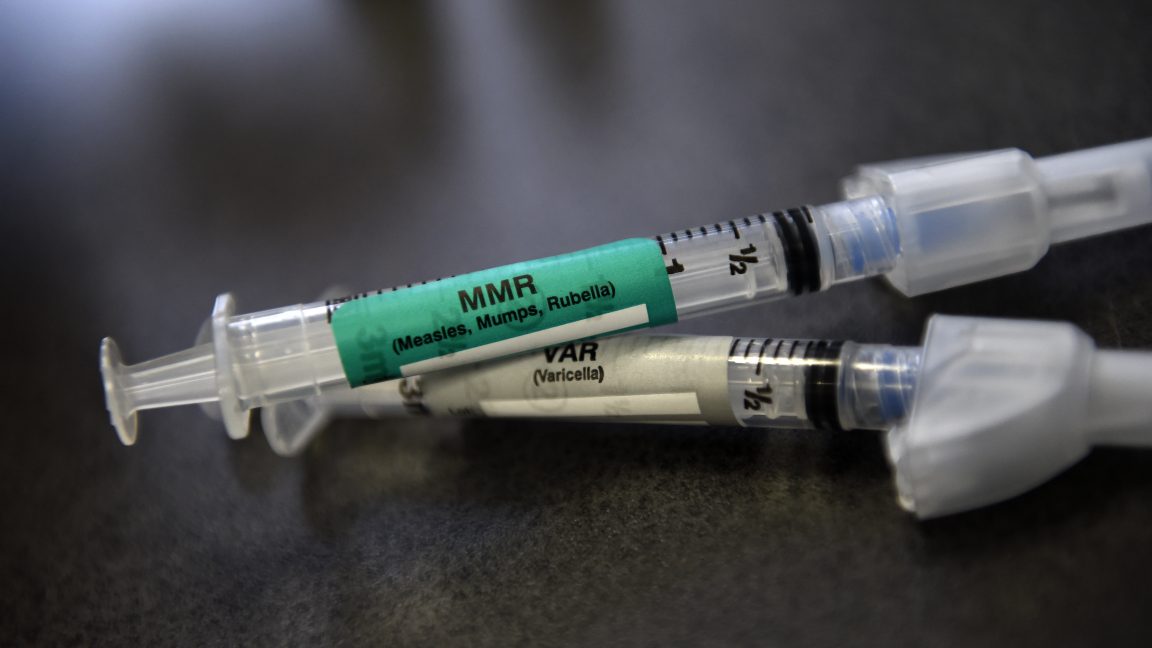
MMRV vs. MMR + V: Understanding Vaccine Choices for Measles, Mumps, Rubella, and Varicella
Choosing the right vaccinations for your child can feel overwhelming. When it comes to protecting against measles, mumps, rubella, and varicella (chickenpox), parents often encounter two options: the MMRV vaccine and the conventional MMR + V schedule. This article breaks down the differences, the data behind the recommendations, and what you need to know to make an informed decision.
What are MMRV and MMR + V?
For years, children received separate vaccinations for measles, mumps, and rubella (MMR) and varicella (V). This meant two shots during a single doctor’s visit. In 2005, the Food and Drug Management (FDA) approved MMRV, a combination vaccine offering all four protections in a single injection - simplifying the process for both children and parents.
However, the story doesn’t end there. Post-market surveillance revealed a potential, albeit small, increased risk associated with the MMRV vaccine. Let’s delve into the details.
the Febrile Seizure Question
Shortly after the MMRV vaccine’s introduction, data suggested a slightly elevated risk of febrile seizures – seizures triggered by fever – following the first dose of MMRV.It’s crucial to understand what febrile seizures are and why they aren’t typically cause for long-term concern.
Febrile seizures are relatively common, affecting up to 5% of children before the age of five. They usually occur between 14 and 18 months, often stemming from common childhood illnesses like ear infections, the flu, or even vaccinations themselves. While understandably frightening for parents, these seizures are generally short (under a minute or two) and have an “excellent” prognosis, according to the Centers for Disease Control and Prevention (CDC). Almost all children recover fully without lasting effects.
What Did the Studies Show?
Researchers analyzed data from over 400,000 children to quantify the risk. Here’s a breakdown of the findings:
* MMRV (First Dose): 7 to 8.5 febrile seizure cases per 10,000 vaccinations.
* MMR + V (Separate Shots): 3.2 to 4.2 febrile seizure cases per 10,000 vaccinations.
This translates to roughly one additional febrile seizure for every 2,300 to 2,600 children vaccinated with MMRV compared to the separate MMR + V schedule. It’s crucial to note this increased risk was observed only with the first dose of the MMRV vaccine.
Current CDC Recommendations: A Nuanced Approach
In 2009, the CDC reviewed the available data and updated its recommendations. The CDC affirms that both MMRV and MMR + V are safe and effective.However, they now express a preference for the MMR + V schedule for the first dose, particularly for children aged 12-15 months.
This preference allows parents to minimize the slight risk of febrile seizure during that vulnerable age. However, the MMRV vaccine remains a viable option if a parent specifically requests it, prioritizing the convenience of a single injection. For the second dose (administered between 4-6 years), the CDC states a preference for the MMRV vaccine.
Making the Right Choice for Your Child
Ultimately, the decision between MMRV and MMR + V is a personal one.Here’s a rapid recap to help you discuss it with your pediatrician:
* MMRV: One injection, potentially a slightly increased risk of febrile seizure with the first dose.
* MMR + V: Two injections, a slightly lower risk of febrile seizure, especially with the first dose.
Both options provide excellent protection against these four serious diseases.
Evergreen Insights: The Importance of Vaccination
Vaccines remain one of the most significant public health achievements in history. Measles, mumps, rubella, and varicella can lead to serious complications, including pneumonia, encephalitis (brain swelling), and even death. Vaccination not only protects your child but also contributes to herd immunity, safeguarding vulnerable individuals who cannot be vaccinated. Staying up-to-date on your child’s vaccinations is a cornerstone of preventative healthcare.
Frequently Asked Questions
**Q: What is a febrile seizure,and should I be worried if my child