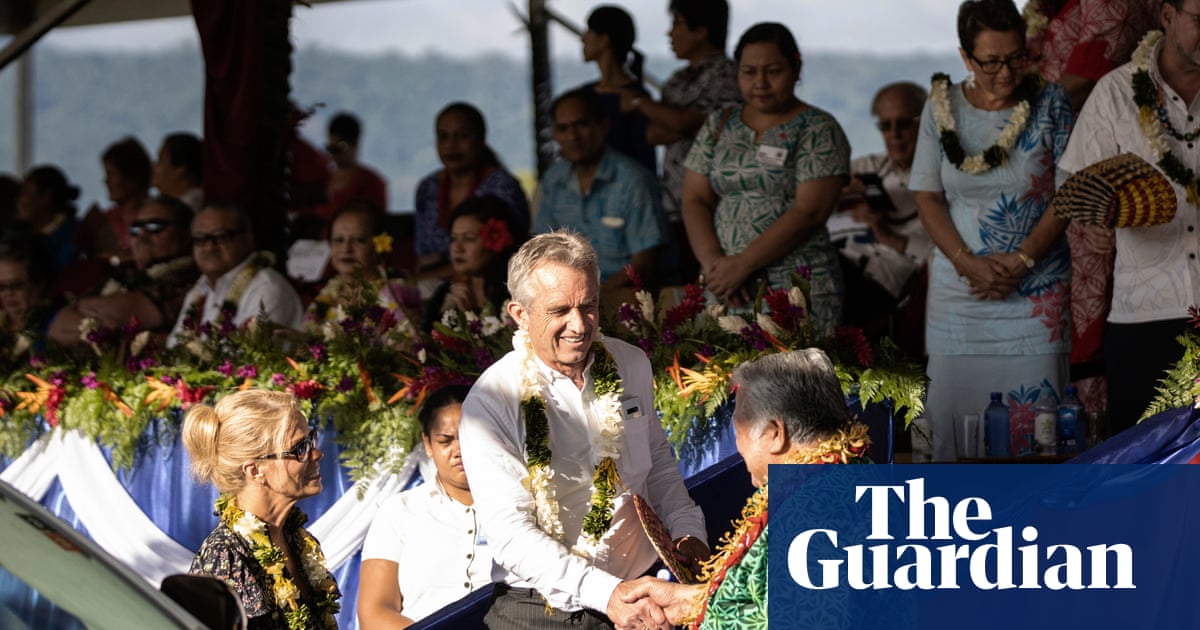
New evidence has emerged regarding Robert F. Kennedy Jr.’s 2019 visit to Samoa, casting doubt on his previous testimony before the U.S. Senate concerning the nature of his trip. While Kennedy stated under oath that his visit had “nothing to do with vaccines,” internal communications obtained from his former professional associates indicate that he and his team were engaged in a mission to analyze the nation’s medical records specifically in response to a “discontinuity in vaccinations.”
The discrepancy between these records and Kennedy’s Senate testimony has drawn scrutiny from public health experts and government oversight observers. As the U.S. Department of Health and Human Services (HHS) manages broad public health mandates, the accuracy of statements made during confirmation or oversight proceedings remains a central point of interest for policy analysts, according to Senate investigative protocols.
The 2019 Samoa Trip and Vaccination Records
In the lead-up to the 2019 measles outbreak in Samoa—which resulted in 83 deaths, mostly among children—Robert F. Kennedy Jr. traveled to the island nation. During his testimony before the U.S. Senate, Kennedy characterized the trip as unrelated to vaccination advocacy or policy. However, documentation surfaced showing that his then-colleagues communicated with local officials to arrange a review of medical data following a drop in national immunization coverage, as reported by major news outlets tracking the disclosure.
The measles epidemic in Samoa was documented extensively by the World Health Organization (WHO), which noted that the outbreak was exacerbated by a significant decline in the national measles, mumps, and rubella (MMR) vaccination rate, which had fallen to approximately 31% by 2018. This decline followed the tragic deaths of two infants in 2018 due to the improper administration of vaccines by local nurses, an event that led to a temporary suspension of the national immunization program, according to scientific reporting on the crisis.
Discrepancies in Congressional Testimony
The Senate confirmation process relies on the accuracy of witness testimony to evaluate a candidate’s fitness for office. When a public official provides statements that conflict with documented internal records, it often triggers requests for clarification or further investigation by relevant committees. Currently, there is no formal Senate order compelling a new hearing on this specific discrepancy, but the records have become a focal point for those monitoring the transparency of incoming health administration officials.
The tension between Kennedy’s public stance on vaccine safety and the internal planning of his 2019 trip highlights the broader debate over his alignment with established public health consensus. The Centers for Disease Control and Prevention (CDC) maintains that the MMR vaccine is the most effective tool for preventing measles, a position that has been a point of contention in Kennedy’s public discourse for many years.
What Happens Next?
As of this writing, there have been no official subpoenas issued regarding the 2019 Samoa records. The next confirmed checkpoint for such matters typically involves the standard oversight procedures of the U.S. Senate Committee on Health, Education, Labor, and Pensions, which holds the authority to request supplemental testimony or documentation from federal nominees and appointees. Any further developments regarding this inquiry will be managed through official committee filings and public hearing transcripts available via the Senate committee website.

The public health community continues to monitor how these revelations may impact future policy implementation. For readers interested in the ongoing status of this issue, updates are expected to appear in the official Congressional Record as committees proceed with their standard business. We invite our readers to share their perspectives on the importance of transparency in public health leadership in the comments section below.
Related reading