The Unexpected Genesis of Nanotechnology: Beyond Feynman’s Vision
for decades, a single lecture has been heralded as the spark that ignited the field of nanotechnology. Richard Feynman’s 1959 talk, “There’s Plenty of Room at the Bottom,” remains iconic, yet the story of nanotechnology’s origins is far more nuanced than commonly believed. Let’s explore the fascinating evolution of this revolutionary science.
Feynman’s presentation, delivered at the American Physical Society meeting, boldly proposed manipulating matter at the atomic level.He playfully illustrated the potential with a challenge: could you rewrite the entire text of ”A Tale of Two Cities” on the head of a pin? He even offered a prize to anyone who could build a tiny motor.
However, the term “nanotechnology” itself wouldn’t appear for another fifteen years. Norio Taniguchi formally coined the phrase in 1974, defining it as the precise processing of materials at the atomic or molecular scale. This definition focused on the how – the actual manipulation – rather than the visionary what Feynman proposed.
Manny historians of science now suggest nanotechnology was already developing along its own path. Feynman’s talk, while remarkably insightful, wasn’t necessarily the primary catalyst for innovation. In fact, prior to 1980, his lecture received surprisingly limited academic attention, being cited fewer than ten times.
So, what drove the field forward? Several factors converged, including advancements in microscopy and materials science. Here’s a breakdown of key milestones:
* Early Foundations: Research into semiconductors and thin-film deposition laid crucial groundwork.
* the Rise of Surface Science: Understanding interactions at material surfaces became paramount.
* Advancement of New tools: Instruments capable of observing and manipulating matter at the nanoscale were essential.
Despite the debate over its initial impetus, Feynman’s predictions have proven remarkably accurate. Consider these advancements:
* Scanning Tunneling Microscope (STM): Developed in 1986 and refined in 1990, the STM allowed scientists to manipulate individual atoms – a feat directly envisioned by Feynman.
* Exponential Computing Power: The miniaturization of computers has far surpassed even his optimistic forecasts, placing incredible processing power in yoru pocket.
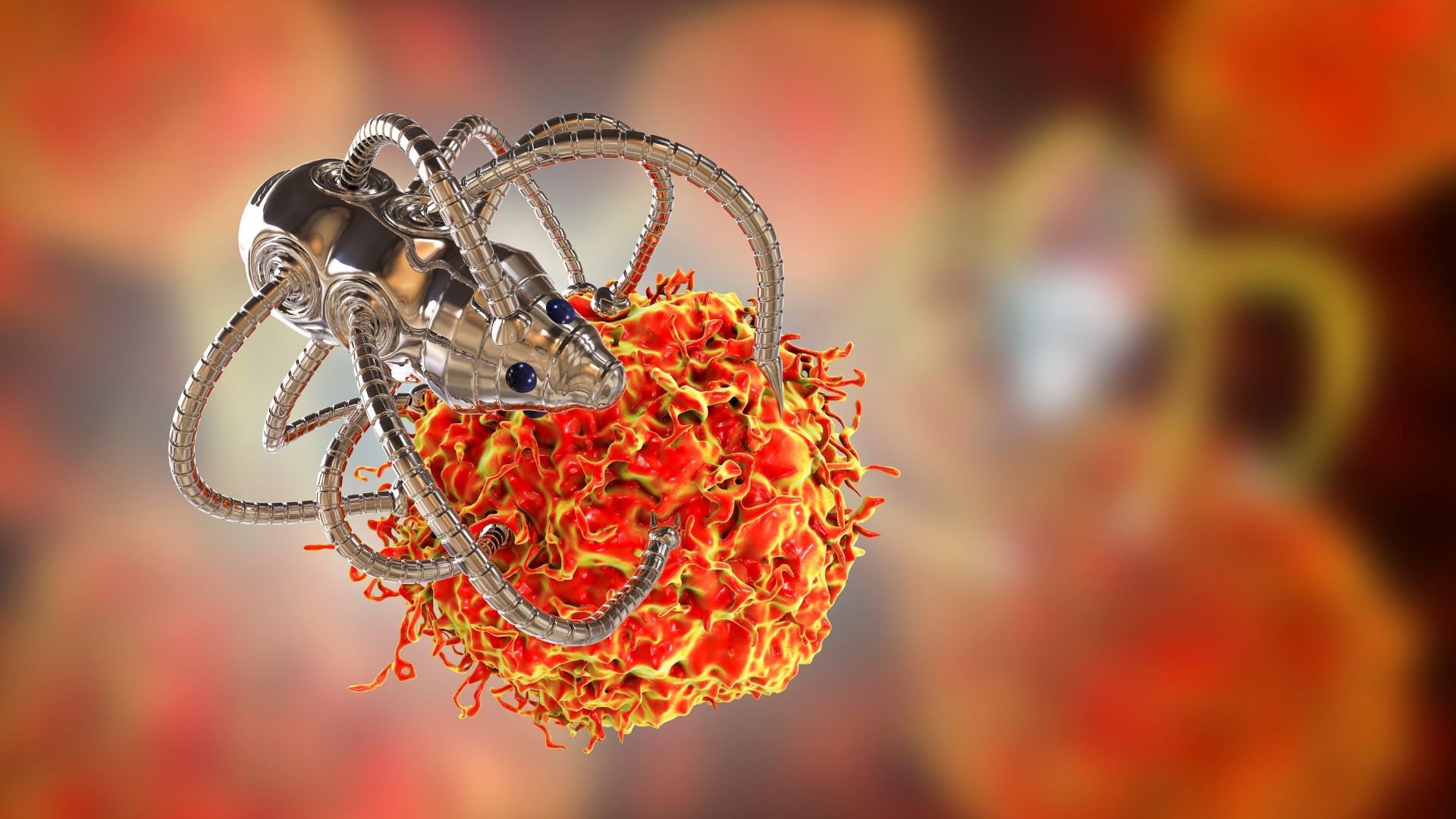
* Emerging Nanobots: Researchers are now designing nanobots capable of performing complex tasks within the human body, like repairing damaged blood vessels.
You might be wondering,what does this mean for the future? Nanotechnology continues to evolve at a rapid pace,promising breakthroughs in:
* Medicine: Targeted drug delivery,regenerative medicine,and early disease detection.
* Materials Science: Stronger, lighter, and more durable materials for various applications.
* Energy: More efficient solar cells and energy storage solutions.
* Electronics: Faster, smaller, and more energy-efficient devices.
Ultimately, the story of nanotechnology is a testament to the power of both visionary thinking and incremental scientific progress. while Feynman’s lecture undoubtedly inspired a generation of scientists, the field’s development was a collaborative effort, built upon decades of research and innovation. As nanotechnology continues to mature, it will undoubtedly reshape our world in ways we are only beginning to imagine.