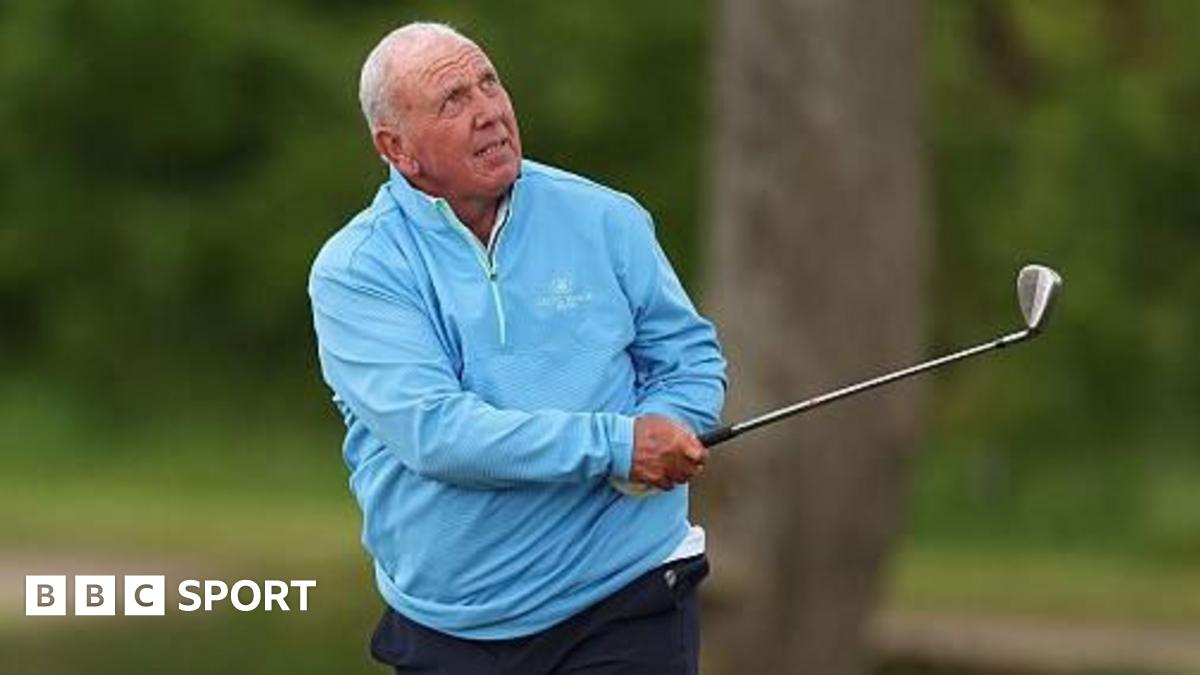
This proves the kind of moment that defines a sporting career—not by the trophy held at the end, but by the sheer defiance of the odds required to reach the starting line. For Richie Willis, standing on the first tee at the Celtic Manor Resort, the victory had already been won long before the first ball was struck.
As the Richie Willis G4D Open narrative unfolds this week in Wales, the story is less about the leaderboard and more about a miraculous journey of survival. For a man who was once told he had a slim chance of living, competing against the world’s finest golfers with disabilities is a testament to the resilience of the human spirit and the transformative power of adaptive sports.
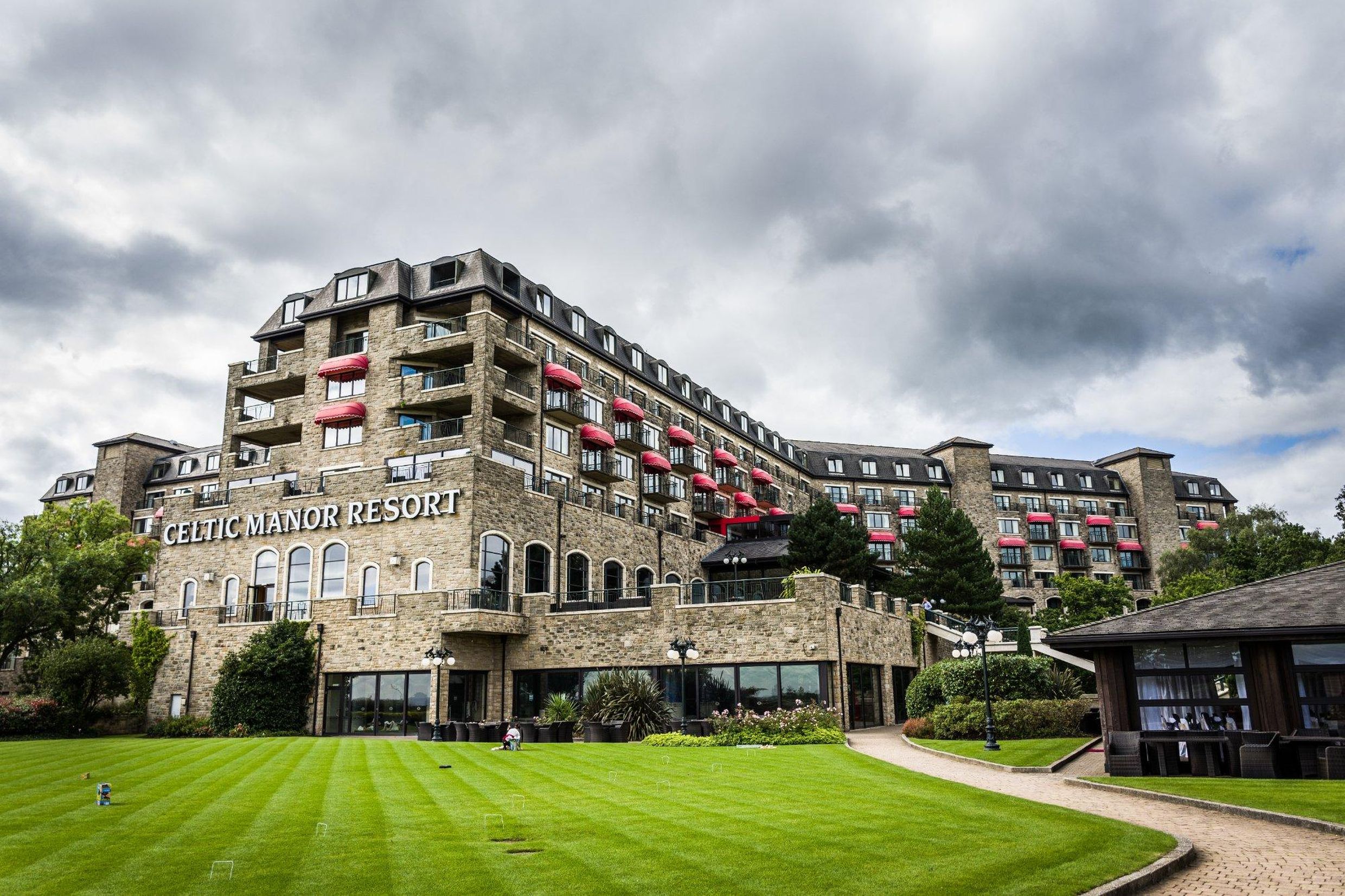
The G4D Open stands as one of the premier events for golfers with disabilities, bringing together elite talent in a display of skill and determination. For Willis, a 68-year-old member of the Celtic Manor for 25 years, the event is a homecoming of the most profound kind, occurring in a place where he has spent over two decades honing his game after a life-altering tragedy.
A Fight for Survival on the Severn Bridge
The road to the G4D Open began with a nightmare on December 22, 1999. Willis was driving an articulated lorry home to Wales when a freak gust of wind sent his vehicle onto its side and into the central reservation on the old Severn Bridge. The impact was catastrophic, leaving Willis in a state of shock that he recalls with vivid clarity.
In the immediate aftermath, Willis remembers looking up and believing he had escaped unscathed, only to realize the severity of his injuries. He looked down to find his leg had been completely torn off and his arm seriously damaged. While the loss of a limb was the most visible trauma, medical professionals discovered a more critical internal crisis: a lacerated liver, which Willis describes as his worst injury.
The medical battle that followed was grueling. While in the ambulance, Willis’ blood pressure plummeted, signaling the gravity of his internal bleeding. To keep him alive, hospital staff administered 40 pints of blood according to BBC Sport Wales. At the height of the crisis, doctors informed him that he had only a 10% chance of surviving the trauma.
The Long Road Back to the Fairway
Survival was only the first step. Willis spent five months in the hospital, navigating the physical and psychological wreckage of the accident. At 42 years old, he faced a future that looked vastly different from the one he had known as an athlete and a driver. However, the drive that had characterized his earlier sporting life remained intact.
Remarkably, barely a year after being allowed to return home, Willis was back holding a golf club. The transition to adaptive golf provided not only a physical outlet for rehabilitation but a mental sanctuary. His journey from a hospital bed to the manicured greens of Wales serves as a blueprint for recovery, demonstrating how sports can facilitate the reclamation of identity after a traumatic loss.
Willis’ commitment to the game is evidenced by his long-term association with the Celtic Manor Resort, where he has been a member for 25 years. This familiarity with the terrain adds a layer of poignant symmetry to his appearance in the G4D Open, as he competes on the extremely grounds that witnessed his evolution from a survivor to a competitor.
From the Pitch to the Green: A Lifelong Athlete
Golf was not Willis’ first love. Before the accident and the subsequent turn to the fairway, he had a career in football. A semi-professional player, Willis had a stint with Newport County AFC during a period when the club played over the border in Moreton-in-Marsh. This background in competitive athletics likely provided the mental toughness required to endure his five-month hospital stay and the subsequent years of adaptation.

He originally took up golf at the age of 35, following his retirement from football. This early introduction to the sport meant that when he faced the daunting task of relearning how to move and balance after the loss of his leg, he had a foundational knowledge of the game to return to. The transition from the high-impact nature of football to the precision of golf mirrored his life’s transition from the volatility of his accident to the disciplined pursuit of recovery.
The G4D Open and the Spirit of Adaptive Golf
The G4D Open is more than a tournament; it is a showcase of how disability does not define athletic capability. By featuring some of the world’s finest golfers with disabilities, the event challenges traditional perceptions of sport and accessibility. For the global audience, Willis’ presence in the field is a powerful reminder that the “odds” provided by a medical chart are not destiny.
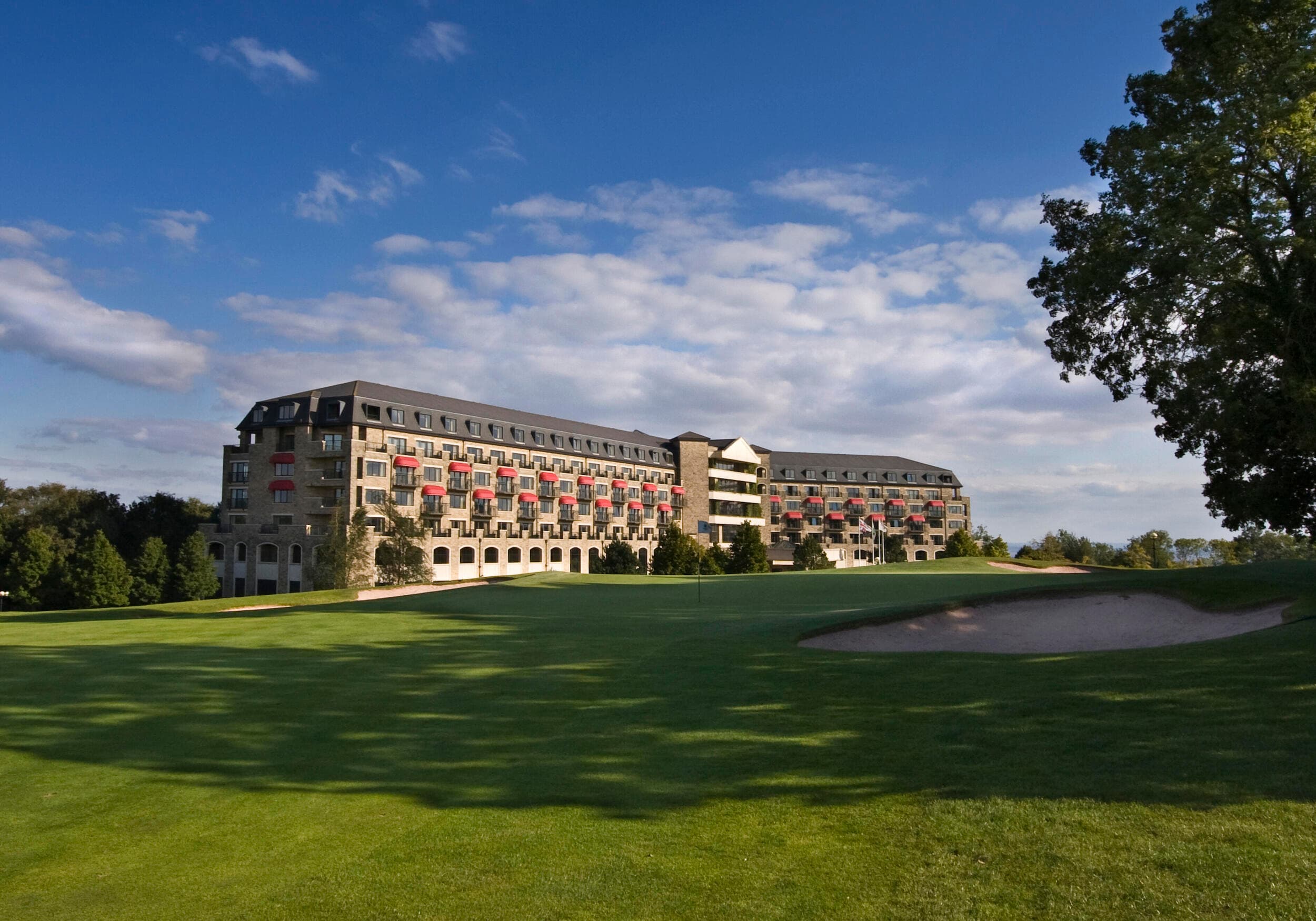
Adaptive golf allows players to compete using various modifications, ensuring that the core challenge of the game—the struggle between the player and the course—remains intact regardless of physical limitation. The event at Celtic Manor highlights the importance of inclusive sporting infrastructure and the role of high-profile tournaments in inspiring others with disabilities to pursue athletic excellence.
Key Takeaways: The Impact of the G4D Open
- Visibility: The event brings global attention to the capabilities of golfers with disabilities, breaking stigmas around adaptive sports.
- Psychological Recovery: Stories like that of Richie Willis highlight the role of sport in overcoming severe trauma and PTSD.
- Accessibility: Hosting the event at a world-class venue like Celtic Manor emphasizes the need for accessible sporting facilities.
- Inspiration: The transition from a 10% survival rate to international competition provides a powerful narrative of hope for others facing medical adversity.
As the tournament progresses, the focus remains on the skill and grit of the competitors. While the professional rankings will determine the winner, the narrative of the 2026 G4D Open will undoubtedly be shaped by those who fought simply for the right to play.
The event continues this week at Celtic Manor, with further rounds scheduled as the field narrows toward the final. Updates on the standings and further athlete profiles can be found through official event communications and regional sports reporting.
Do you believe adaptive sports receive enough coverage in mainstream media? Share your thoughts in the comments below or share this story to inspire others.
Keep reading