
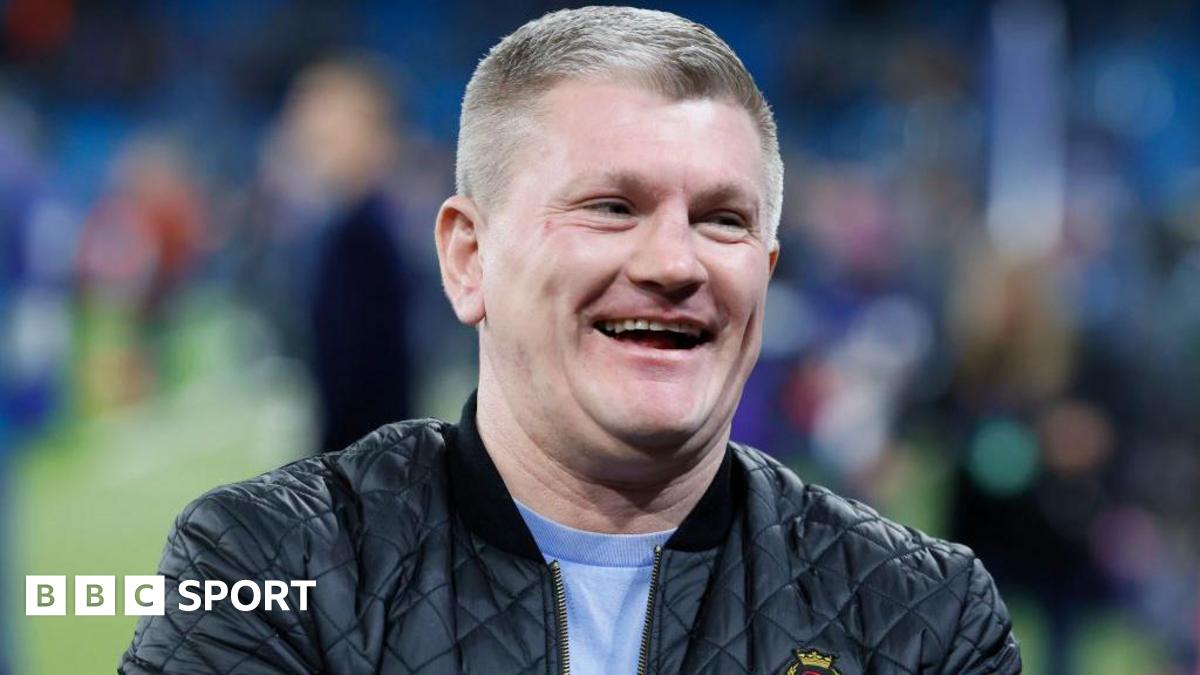
Ricky Hatton: Remembering a British Boxing Icon
Ricky “the Hitman” Hatton wasn’t just a boxer; he was a cultural phenomenon. His relentless, all-action style captivated a nation, transforming him into one of Britain’s most beloved sporting figures. This article explores Hatton’s remarkable career, his impact beyond the ring, and the outpouring of grief following his recent passing.
From Manchester to the World Stage
Born in Stockport, Greater manchester, Hatton’s journey began with amateur success before turning professional in 1997.He quickly rose through the ranks, fueled by a dedicated fanbase drawn to his aggressive fighting style and relatable personality.
Hatton’s early career saw him claim the British light welterweight title in 2000, followed by the WBO inter-continental title. These victories laid the foundation for bigger challenges and international recognition. He wasn’t just winning fights; he was building a loyal following that woudl travel the world to support him.
The Peak of Hatton’s Career
The early 2000s marked the peak of Hatton’s career. He secured the WBO light welterweight title in 2005, defeating Carlos Maussa. This victory signaled his arrival as a world champion and cemented his status as a major force in the boxing world.
He then moved up in weight, capturing the WBC light welterweight title in 2006 with a stunning victory over Jose Luis Castillo. This made him a two-weight world champion, a testament to his skill and determination.
But Hatton’s appeal extended beyond his boxing prowess. He embodied the spirit of his working-class roots, connecting with fans on a personal level. This connection translated into unprecedented support, most notably demonstrated by the 30,000+ British fans who traveled to Las Vegas in 2007 to witness his clash with Floyd Mayweather Jr. – a record for a British boxing event abroad.
The Mayweather Fight and Beyond
The 2007 fight against Mayweather was a defining moment, even in defeat. Hatton pushed Mayweather to the limit, showcasing his courage and tenacity. While he ultimately lost by unanimous decision, the event solidified his legacy as a true warrior. You can revisit the BBC’s coverage of the fight here.
Following the Mayweather fight, Hatton continued to compete, securing a victory over Juan Lazcano in 2008 before facing Manny Pacquiao later that year. His career concluded with a loss to Vyacheslav Senchenko in 2012.
A Legacy of Inspiration
Ricky Hatton’s impact extends far beyond his boxing record. He inspired a generation of British fighters and captivated a nation with his thrilling performances. His story is one of hard work, dedication, and unwavering belief in oneself.
Andy Burnham, the Mayor of Greater Manchester, eloquently captured the sentiment, stating hatton “made us smile and made us proud.” Manchester City honored him with a minute’s appreciation before a recent match against Manchester United, and a 10-bell salute was held at the World Boxing Championships in Liverpool as reported by the BBC.
Barry Hearn, founder of matchroom promotions, described Hatton as “an icon of the sport,” highlighting the profound loss felt throughout the boxing community.
Remembering “The Hitman” – A Lasting Impact
Ricky Hatton’s legacy will endure. He wasn’t just a champion in the ring; he was a champion of the people. His story serves as a reminder that with hard work, determination, and a genuine connection with your audience, anything is possible.
Evergreen Insights: The Power of Connection in Sports
Hatton’s success wasn’t solely based on his boxing skills. it was his ability to connect with fans on a deeply personal level that truly set him apart. This highlights a crucial element in the success of any athlete: authenticity.
Fans respond to athletes who are relatable, who embody values they admire, and who demonstrate genuine passion for their sport. Hatton’s working-class background, his unwavering dedication, and his infectious enthusiasm resonated with a broad audience, creating a loyal following that supported him through





