
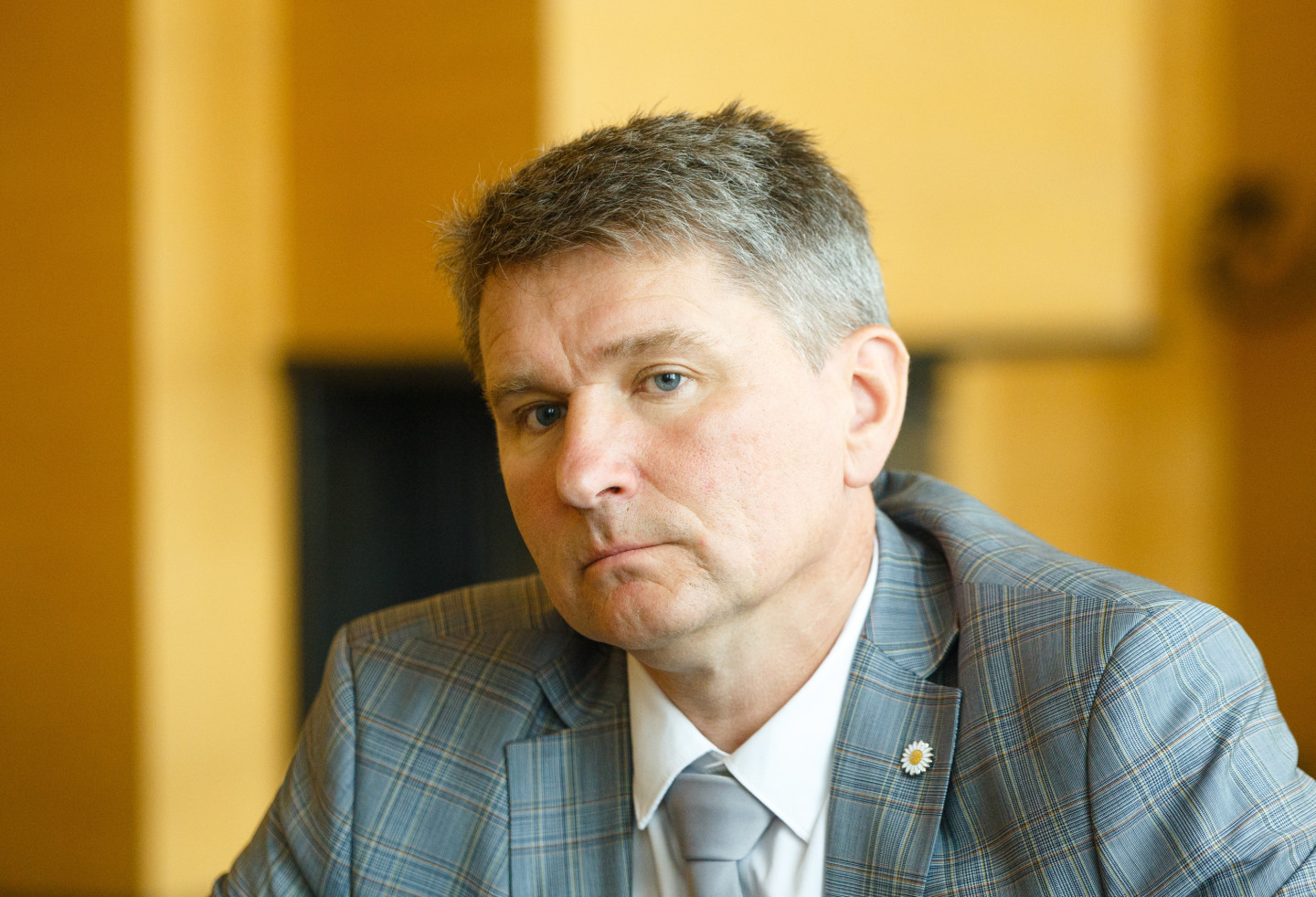
Riga is facing a critical juncture in its urban evolution, according to a stark warning from the city’s leadership. Filip Sprindžuks, the Deputy Mayor of Riga, has identified a systemic failure in the city’s long-term planning as the primary obstacle to its growth, suggesting that without a fundamental shift in governance, the situation for the Latvian capital will only deteriorate.
The warning comes amid a period of transition for the Riga City Council, as the administration attempts to reconcile decades of fragmented development with the modern requirements of a European capital. Sprindžuks’ assertion that “it will be worse” serves as a call to action for a unified strategic vision, moving away from the reactive, piecemeal management style that has characterized much of the city’s recent history.
For the residents of Riga, this is not merely a political debate but a matter of daily quality of life. From the efficiency of the public transit network to the preservation of the city’s historic architecture and the modernization of its outskirts, the lack of a cohesive master plan has left the city vulnerable to inefficiency, and stagnation.
The ‘Main Problem’: A Vacuum of Strategic Vision
According to Deputy Mayor Filip Sprindžuks, the “main problem” plaguing Riga is not a lack of resources or a specific failure of a single department, but rather the absence of a comprehensive, unified strategy for the city’s development. He argues that Riga has long operated on a reactive basis—addressing crises as they emerge rather than anticipating the needs of a growing, modern urban population.
This strategic vacuum means that various municipal projects often overlap or contradict one another. For instance, transportation initiatives may not align with housing developments, and environmental goals may clash with industrial zoning. Sprindžuks posits that this fragmentation creates a cycle of inefficiency where funds are spent on temporary fixes rather than permanent, systemic solutions.
The warning that “it will be worse” refers to the compounding nature of these failures. As the city’s infrastructure ages and the demands of climate change and urban migration increase, the cost of inaction rises. The Deputy Mayor suggests that continuing the status quo will lead to a decline in the city’s competitiveness and a decrease in the standard of living for its citizens.
Infrastructure and the Cost of Reactive Governance
The impact of this lack of strategy is most visible in Riga’s physical infrastructure. While the city boasts a stunning historic center—a UNESCO World Heritage Site—the surrounding urban fabric often reflects the chaotic planning Sprindžuks has criticized.

Key areas where the lack of strategic vision is felt include:
- Public Transportation: While Riga maintains a robust tram and bus network, the integration of new mobility solutions and the optimization of routes have often been slow, hampered by a lack of long-term forecasting.
- Urban Density and Zoning: The balance between preserving green spaces and allowing for necessary commercial and residential growth has remained contentious, often decided on a case-by-case basis rather than through a city-wide blueprint.
- Public Space Management: The development of pedestrian-friendly zones and the modernization of public squares have often felt disconnected, lacking a cohesive aesthetic or functional flow across the city.
By focusing on “firefighting”—solving immediate problems without a broader plan—the city administration has historically missed opportunities to leverage larger European Union grants and investments that require detailed, long-term strategic frameworks for approval.
Political Transitions and the Path to Reform
The current administration, led by the Riga City Council, is operating in the shadow of previous political turbulence. The shift toward a more transparent and strategic approach is part of a broader effort to restore trust in municipal governance. Sprindžuks’ willingness to publicly name the “main problem” is seen by analysts as an attempt to set a new baseline for accountability.

To combat this, the city is looking toward more integrated planning models. This includes the implementation of digital twins for urban planning—virtual replicas of the city that allow officials to test the impact of a new road or building before a single stone is laid. Such tools are essential for moving from a reactive to a proactive governance model.
there is an increasing emphasis on public consultation. The administration recognizes that a strategic vision cannot be imposed from the top down; it must be co-created with the people who inhabit the city. By involving residents in the planning process, the city hopes to ensure that the new strategy addresses the actual needs of the community rather than the preferences of a few political actors.
What This Means for the Future of Riga
The stakes for Riga are high. As the largest city in the Baltics and a hub for trade and culture in Northern Europe, its success is inextricably linked to the economic health of Latvia. A city that cannot plan for its future is a city that cannot attract new investment or retain its young, professional population.

If the administration succeeds in implementing a unified strategic vision, Riga could see a revitalization of its outskirts, a more seamless transit experience, and a more sustainable approach to urban growth. However, the transition will require significant political will and a departure from the “business as usual” mentality that Sprindžuks has warned against.
For those tracking the city’s progress, the focus now shifts to the concrete steps the Council will take to codify this strategy. The transition from identifying the problem to implementing the solution is where the most critical work remains.
Residents and stakeholders can monitor official updates and planning documents through the Riga City Council official portal, where upcoming zoning changes and strategic initiatives are periodically published.
Next Milestone: The Riga City Council is expected to provide further updates on its updated urban development guidelines during the next scheduled municipal budget and planning session. We will continue to track whether these guidelines translate into the strategic overhaul Deputy Mayor Sprindžuks deems necessary.
Do you think a unified strategic plan is the answer to Riga’s urban challenges, or are the problems more deeply rooted in funding and politics? Share your thoughts in the comments below.