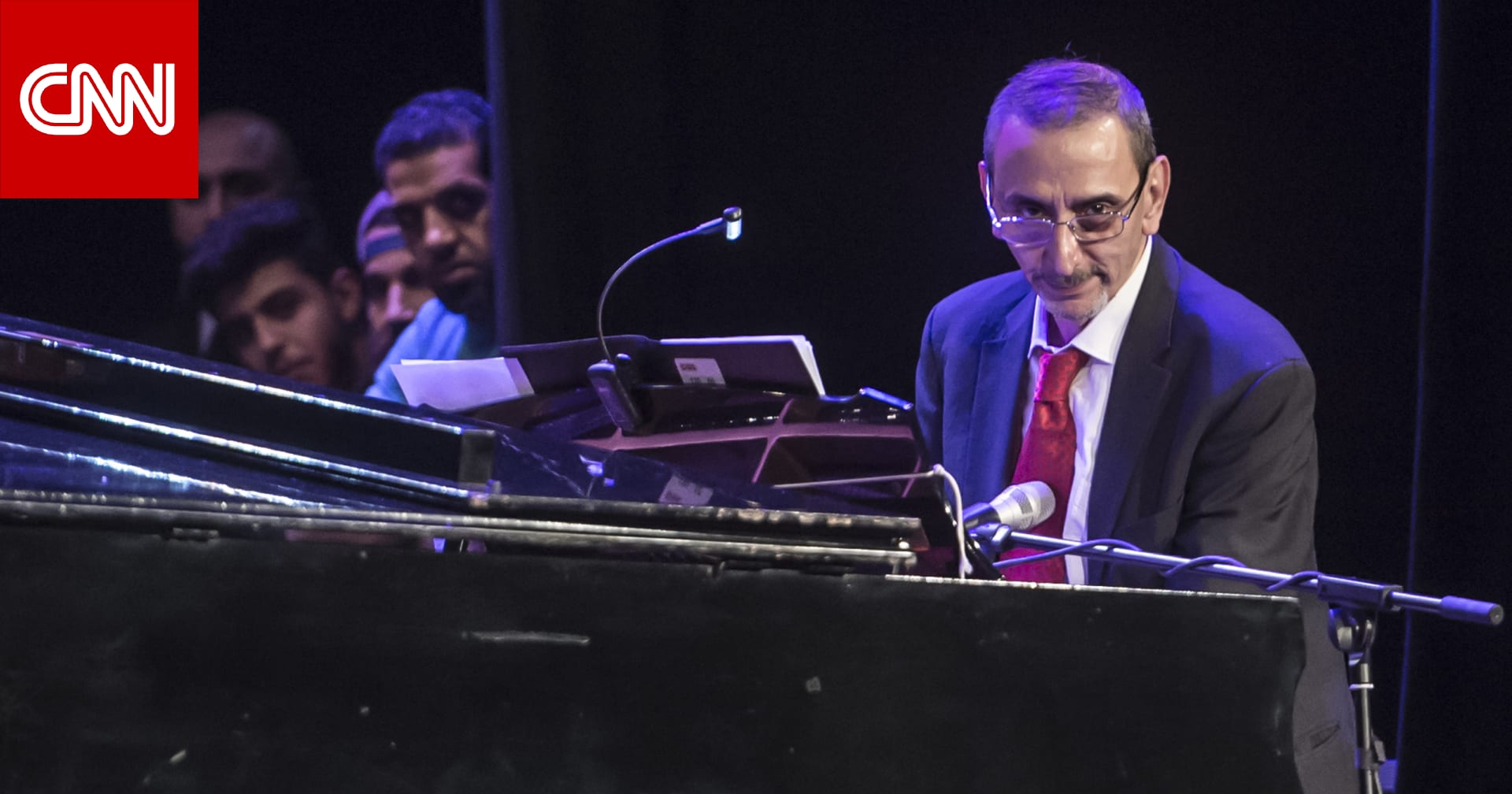
Rima Rahbani has formally stated her opposition to any unauthorized public tributes or commercial use of the name of her brother, Ziad Rahbani. In a series of public statements, Rima Rahbani emphasized that she will not permit the organization of events or celebrations honoring her brother’s career, citing his personal wishes and a desire to protect his legacy from being treated as a commercial project.
Stance on Public Tributes and Commercialization
The controversy surrounding the potential commemoration of Ziad Rahbani’s work centers on the tension between public appreciation for his artistic contributions and the family’s desire for privacy. Rima Rahbani has explicitly requested that the public and organizers leave her brother alone. She noted that her decision to block such events is not a reflection of her personal feelings toward her brother, but rather an adherence to his stated preferences regarding his public image and career management.

In her public communication, Rahbani underscored that she considers the commercialization of artistic legacies to be an issue of respect. By restricting public tributes, she aims to prevent the transformation of Ziad Rahbani’s name into a brand or a profit-driven venture.
The Rahbani Legacy in Lebanese Culture
Ziad Rahbani is a prominent figure in contemporary Lebanese music, theater, and political satire. His work often challenged social norms and reflected the turbulent political history of Lebanon, particularly during and after the civil war. As the son of Fairuz and Assi Rahbani—two pillars of the “Rahbani Brothers” creative partnership that defined much of Lebanon’s musical identity in the 20th century—his personal and professional life has remained a subject of intense public interest.

The Rahbani family, including Rima, has historically been protective of their collective artistic output. The current refusal to hold tributes marks a continuation of this protective stance, ensuring that any public engagement with their work aligns with the family’s established standards.
Understanding the Request for Privacy
For followers of Lebanese arts and culture, the request from Rima Rahbani highlights the complex reality of managing an artistic dynasty. The distinction she draws between public admiration and the commodification of a legacy is central to her message. According to her recent statements, the focus should remain on the existing body of work rather than the production of new, potentially unauthorized celebratory events.
While fans often seek to honor influential artists through festivals or anniversary tributes, the Rahbani family’s legal and personal position remains that such actions require explicit approval and must respect the artist’s autonomy. As of the current date, no official events are scheduled, and the family has not indicated any change in their position regarding the management of their intellectual property.
The situation remains a private family matter, and further updates regarding the management of the Rahbani musical catalog are expected to be communicated through official family channels if and when they occur. Readers are encouraged to keep track of official announcements from the family regarding any future exhibits or archives, as these are the only authorized sources for information on the legacy of the Rahbani family.