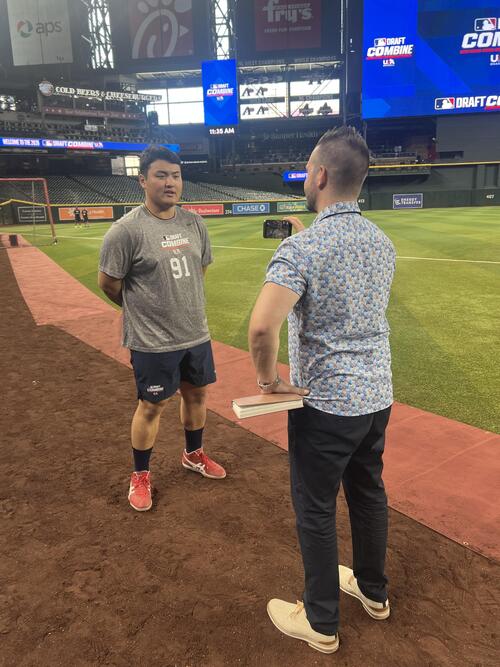
Stanford University infielder Rintaro Sasaki, one of the most prominent prospects in international baseball, participated in a recent showcase event in Phoenix, Arizona, as he prepares for potential selection in both professional Japanese and American leagues. The former high school standout, who made the decision to pursue collegiate baseball in the United States rather than entering the Nippon Professional Baseball (NPB) draft directly after graduation, is now navigating a path that could lead to interest from major professional organizations on both sides of the Pacific.
Sasaki’s participation in the showcase—often referred to in scouting circles as a “combine”—comes as he continues to build his profile following his freshman season at Stanford. While the infielder previously declined to enter the NPB draft, his status as a high-profile recruit remains a subject of intense scrutiny from scouts evaluating his power-hitting potential and transition to the rigorous demands of the American collegiate system. According to reports from the Stanford University Athletics Department, Sasaki has been working to adapt his game to the wood-bat environment and the increased velocity of collegiate pitching.
Transitioning to the American Collegiate Level
The move to Stanford followed an exceptional career at Hanamaki-Higashi High School in Japan, where Sasaki set a record with 140 home runs, surpassing the previous mark held by Kiyomiya Kotaro. By choosing the NCAA route, Sasaki opted for a developmental path that contrasts with the traditional Japanese pipeline, which typically sees top talent move directly from high school into the NPB professional system. This decision has placed him under a unique spotlight, as he is now subject to the rules and timelines of both Major League Baseball (MLB) and NPB eligibility.
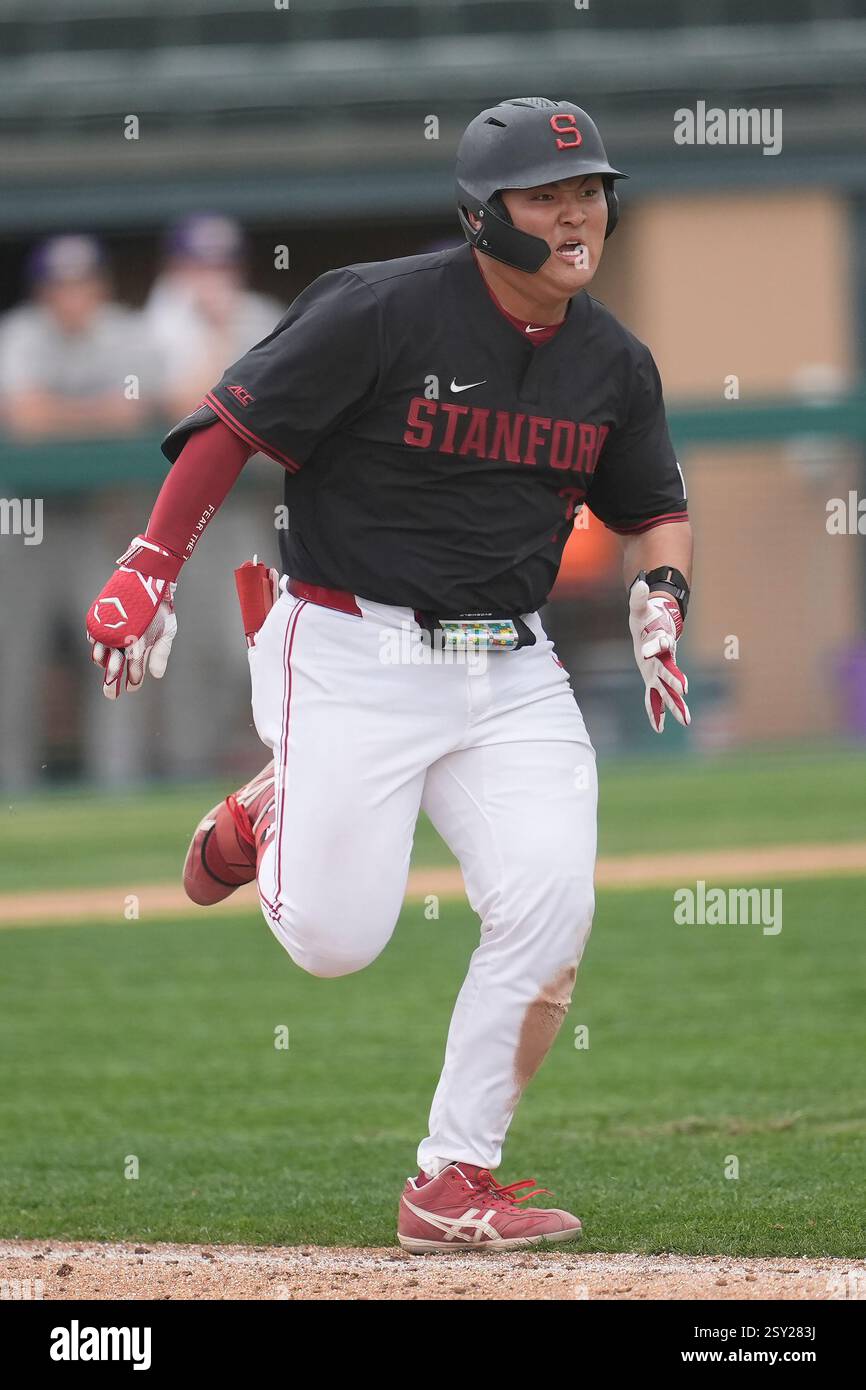
For observers of international baseball, Sasaki’s development is a case study in how top-tier Japanese prospects manage the transition to American collegiate baseball. The National Collegiate Athletic Association (NCAA) provides a structured environment that allows players to hone their skills while pursuing an education, a factor that Sasaki has cited as a primary motivation for his move to California. The showcase in Arizona serves as a critical opportunity for scouts to assess his physical progress and mechanical adjustments since he began his tenure with the Cardinal.
The Dual-Path Prospect Landscape
Sasaki faces a complex evaluation process as he looks toward his future in professional baseball. Because he bypassed the NPB draft to attend university, he remains a target for professional clubs across multiple jurisdictions. The interest from NPB teams remains consistent, as the domestic league continues to monitor his progress in the United States. Simultaneously, his presence in the U.S. collegiate system positions him within the broader ecosystem of MLB amateur scouting, where he is evaluated against the top domestic collegiate talent.
The Major League Baseball Draft remains a significant milestone for any player within the American system, and Sasaki’s eligibility is governed by the specific rules regarding international prospects and collegiate players. Unlike high school players who are drafted directly, collegiate players must meet specific age and tenure requirements. Scouts are currently focused on his plate discipline and his ability to handle advanced breaking balls, which are more prevalent at the NCAA Division I level than in Japanese high school baseball.
What Comes Next for Sasaki
Looking ahead, the focus for Sasaki remains the upcoming collegiate season at Stanford, where he will continue to compete against high-level competition. His performance in the spring will likely dictate his standing with professional scouts as he approaches the next potential draft cycle. There is no confirmed date for his next major public showcase, but scouts are expected to track his progress throughout the 2025 season.
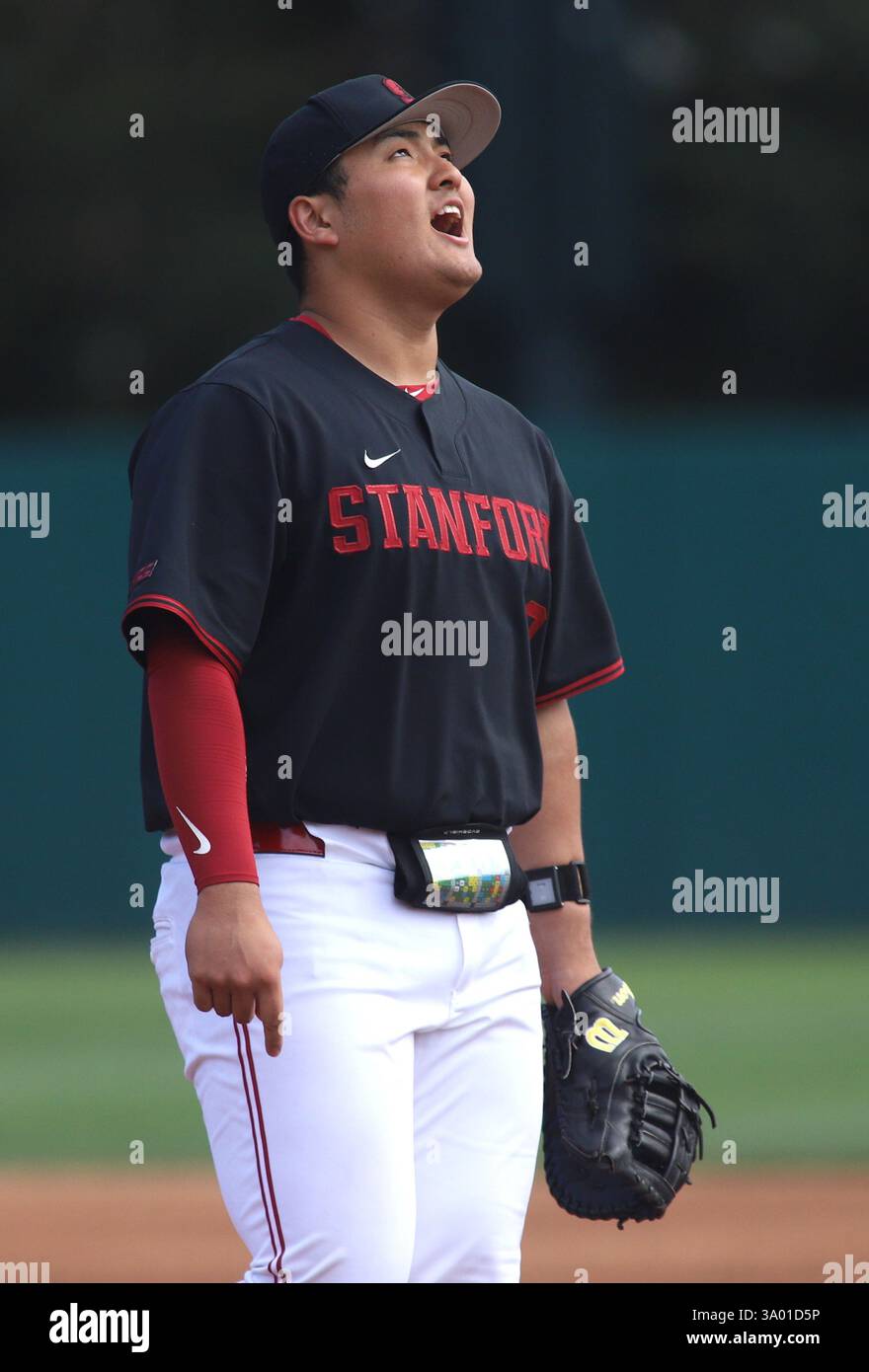
The intersection of his Japanese heritage and his American collegiate experience makes him one of the most closely watched players in international baseball. As he works to refine his skills, the global baseball community will continue to monitor whether he pursues a path in the United States or returns to the NPB. Readers interested in following his journey can find official schedule updates and roster news on the Stanford Baseball official website. We invite you to share your thoughts on his development path in the comments section below.
Related reading