
Public transportation in Rio de Janeiro is set for a significant technological upgrade, as municipal authorities prepare to integrate modern digital payment methods directly into the city’s bus fleet. The initiative, spearheaded by the local government, aims to modernize the passenger experience by transitioning away from traditional cash-based transactions in favor of more efficient, trackable electronic systems.
This shift toward digital-first transit infrastructure centers on the adoption of the Jaé payment system, which is managed by the city’s transport authorities. By allowing passengers to use Pix, debit cards, and credit cards directly at the turnstiles, the city expects to reduce boarding times, enhance security for transit workers, and streamline the collection of fare revenue across the metropolitan region.
Modernizing the Passenger Experience
The move to implement electronic payments is part of a broader effort to unify the city’s transport network under a single, digital-friendly platform. Currently, the transition involves upgrading the validators installed on buses to accept a wider variety of contactless payment methods. The Jaé system serves as the backbone for this integration, providing a centralized interface for commuters to manage their transit balances and travel history.
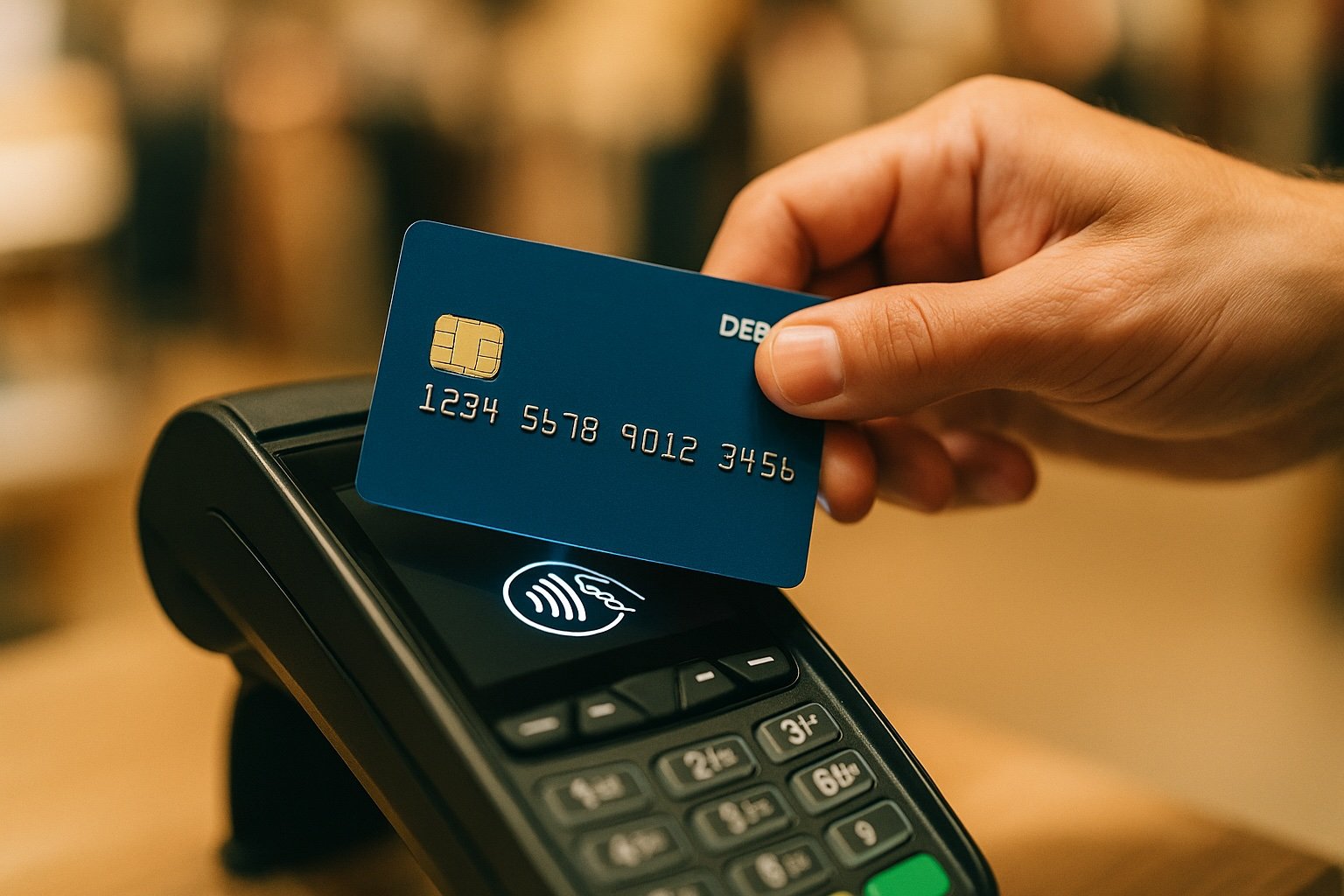
For many daily commuters in Rio de Janeiro, the ability to pay via Pix—Brazil’s instant payment platform—represents a major convenience. Unlike legacy systems that often required specific physical smart cards, digital payments leverage the ubiquitous nature of mobile banking and contactless card technology. This flexibility is expected to benefit both residents and tourists who may not carry a dedicated local transit card.
According to the City of Rio de Janeiro’s official communications regarding urban mobility, the modernization of payment infrastructure is a key component of improving the efficiency of the bus rapid transit (BRT) and municipal bus networks. The integration of credit and debit card readers is designed to minimize the reliance on onboard cash handling, which has historically been a point of friction and security concern for bus operators.
What the Shift Means for Commuters
As the city moves toward a “cashless” model for bus fares, the primary change for riders will be the diversification of payment options at the point of entry. Passengers will no longer be limited to specific transit cards; instead, they will be able to utilize their personal bank-issued cards or mobile devices to validate their fare. This change is intended to reduce the queues that often form at bus doors during peak hours, as digital transactions typically process faster than cash payments.
While the transition focuses on digital methods, the city has indicated that it remains committed to ensuring that all segments of the population retain access to public transport. The implementation phase includes technical upgrades to the physical validators, which are being retrofitted to support NFC (Near Field Communication) technology and QR code scanning for Pix payments. These updates are being rolled out systematically across the municipal fleet to ensure compatibility with existing transit infrastructure.
Strategic Goals and Future Outlook
The modernization of the city’s transit system is not merely about convenience; it is a strategic move to gain better data on passenger flows and optimize bus routes. By digitizing fare collection, municipal planners can gain real-time insights into how and when commuters use the system. This data-driven approach is expected to help the city better allocate resources and address service gaps in high-demand areas.
the reduction of cash on buses is a long-term safety goal. By minimizing the amount of physical currency held on vehicles, the administration aims to decrease the risk of robberies and improve the working conditions for bus drivers and collectors. This structural change is part of a larger, ongoing effort by the municipal government to align Rio de Janeiro’s public services with international standards for smart city technology.
As the city continues to update its transport policies, residents are encouraged to monitor official announcements from the Municipal Secretariat of Transportation for updates on the rollout schedule and instructions on how to register for the Jaé system. Information regarding specific bus lines and the timeline for full implementation is typically shared through the city’s primary digital portals, ensuring that commuters are informed of changes before they take effect.
Next Steps for Transit Users
The transition to a digital-payment-centric system is an iterative process. As of the latest updates from municipal authorities, the focus remains on ensuring the stability of the new validators and providing public support for those transitioning away from cash. Commuters who frequently use the bus network should verify that their preferred payment methods are compatible with the updated validators as they appear on their routes.
We will continue to follow the progress of this digital transformation as more bus lines are brought into the new system. For those interested in the latest developments, the city’s official transport website remains the most reliable source for operational changes and service alerts. We invite our readers to share their experiences with the new payment systems in the comments section below as the implementation continues throughout the year.
Worth a look