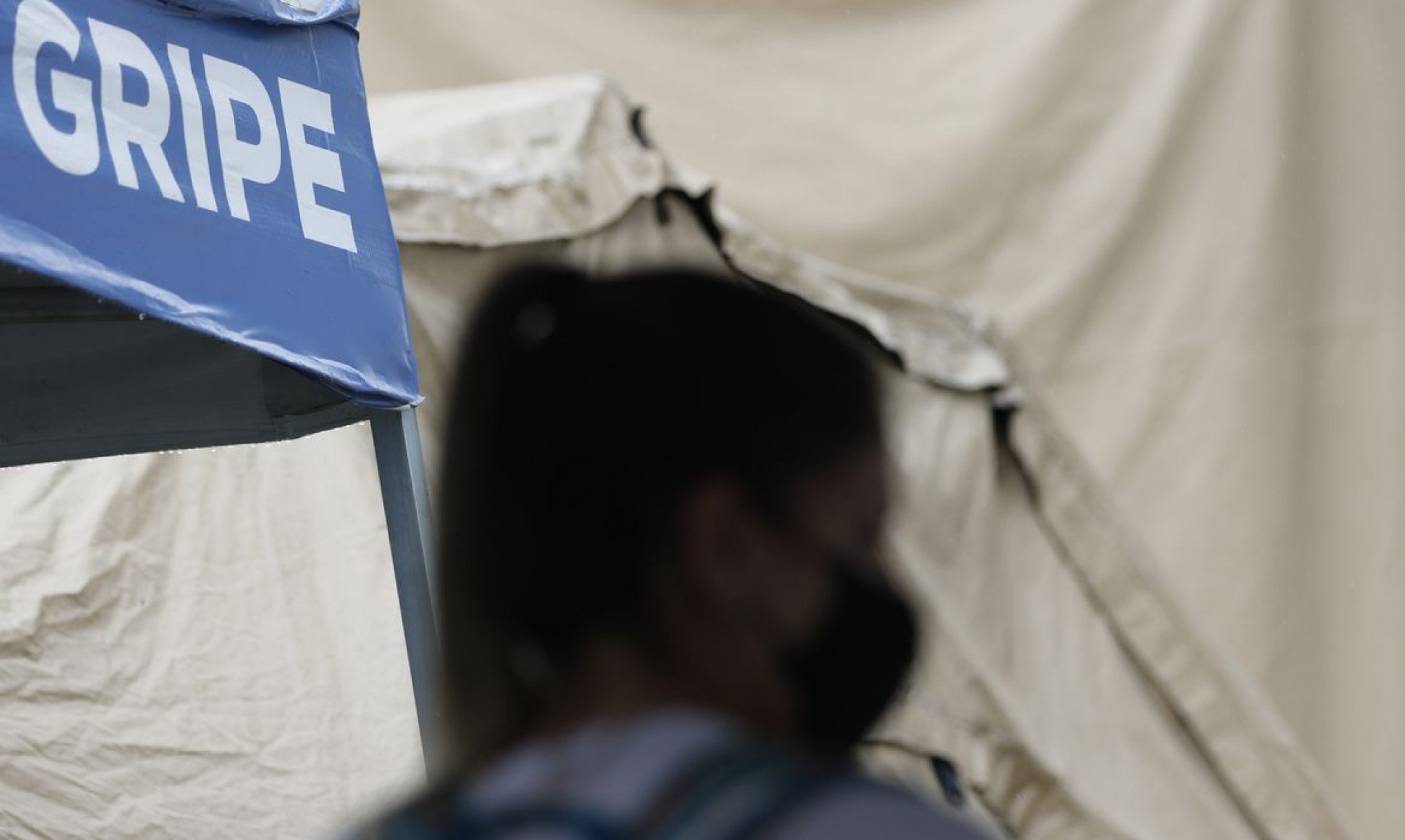
As a physician, I have long observed that public health crises often emerge from the intersection of environmental stressors and gaps in preventative care. Recently, health authorities in the Brazilian state of Rio Grande do Sul have raised alarms regarding a concerning rise in cases of Severe Acute Respiratory Syndrome (SRAG), a condition that demands immediate attention and a robust, community-wide response. As we navigate the current health landscape, it is critical to understand the factors driving this trend and the essential steps required to protect our most vulnerable populations.
The state has officially entered a period of heightened alert, with public health experts pointing to insufficient vaccination coverage as a primary driver of the current surge. When immunization rates for seasonal influenza and other respiratory pathogens fall below recommended thresholds, the resulting immunity gap leaves the population—particularly children, the elderly, and those with underlying health conditions—at a significantly increased risk of developing severe complications. The Oswaldo Cruz Foundation (Fiocruz), a leading scientific institution in Brazil, has consistently highlighted the correlation between low vaccine uptake and the escalating burden on hospital systems during peak respiratory seasons.
Understanding the Current Respiratory Health Landscape
Severe Acute Respiratory Syndrome, or SRAG as it is known in Portuguese, is not a diagnosis in itself but a clinical manifestation of severe lower respiratory tract infection. It often presents as acute respiratory failure, requiring specialized medical intervention, including oxygen therapy or mechanical ventilation. In Rio Grande do Sul, the uptick in these cases has placed significant pressure on the regional healthcare infrastructure. The situation is compounded by the seasonal circulation of multiple viruses, including Influenza and Respiratory Syncytial Virus (RSV), which frequently peak during the colder months in the Southern Hemisphere.
Public health officials are emphasizing that the most effective tool we possess to mitigate the impact of these viruses is the annual flu vaccine. Vaccination does more than provide individual protection. it fosters herd immunity, which is vital for shielding those who cannot be vaccinated for medical reasons. According to data provided by the Brazilian Ministry of Health, maintaining high vaccination coverage is the cornerstone of preventing hospitalizations and reducing mortality associated with preventable respiratory illnesses.
The Role of Preventative Measures in Educational Settings
Schools and childcare centers are frequent hubs for the transmission of respiratory pathogens, especially among younger children who are still developing their immune systems. In light of the current alert, health authorities are reiterating the importance of non-pharmacological interventions in educational environments. Beyond vaccination, simple hygiene practices remain highly effective in breaking the chain of transmission.
Key preventative strategies for school communities include:
- Hand Hygiene: Regular hand washing with soap and water or the use of alcohol-based sanitizers is essential for reducing the spread of viral particles.
- Respiratory Etiquette: Encouraging children to cover their mouths and noses when coughing or sneezing helps contain droplets.
- Environmental Cleaning: Frequent sanitization of high-touch surfaces, such as desks, doorknobs, and shared equipment, is a proven method to reduce environmental viral load.
- Ventilation: Improving indoor air circulation in classrooms can significantly decrease the concentration of airborne pathogens.
While these measures may seem fundamental, their consistent application is vital when community transmission rates are high. Schools that prioritize these protocols provide a safer environment for students and staff, helping to ensure that educational continuity is not disrupted by outbreaks of preventable disease.
Next Steps for Public Health and Community Action
The current situation in Rio Grande do Sul serves as a stark reminder of the necessity of proactive health management. As the region continues to monitor the incidence of SRAG, the primary focus remains on accelerating vaccination campaigns and ensuring that information reaches every segment of the population. Health departments are working to expand access to immunization sites, making it easier for citizens to receive their seasonal doses.

For our readers, the most important takeaway is to verify your vaccination status and that of your family members. If you reside in an affected area, stay informed through official updates from local health secretariats and follow the guidance provided by medical professionals. The Pan American Health Organization (PAHO) provides ongoing surveillance data and guidance that underscores the importance of regional cooperation in managing respiratory disease outbreaks.
We will continue to monitor the situation as official reports are updated. If you have questions about your local health requirements, I encourage you to consult your primary care physician or your local municipal health office. Please share this information with your community to help raise awareness about the importance of protecting our shared public health. We welcome your thoughts and experiences in the comments section below.
Related reading
- Optimizing Clinical Decision Support: Improving Patient Care and Health System Efficiency with Dr. Brian Fengler
- How to Preserve Brain Health: Tips to Boost Memory and Prevent Dementia and Alzheimer’s
- iPhone 18 Pro: Why Prices Are Set to Surge (archynewsy.com)
- Virginia Tech Study Reveals New Patterns in Storm Surge Behavior (newsdirectory3.com)