
The legacy of the Sitar: How One Musician is Bridging Tradition and Mental Wellbeing
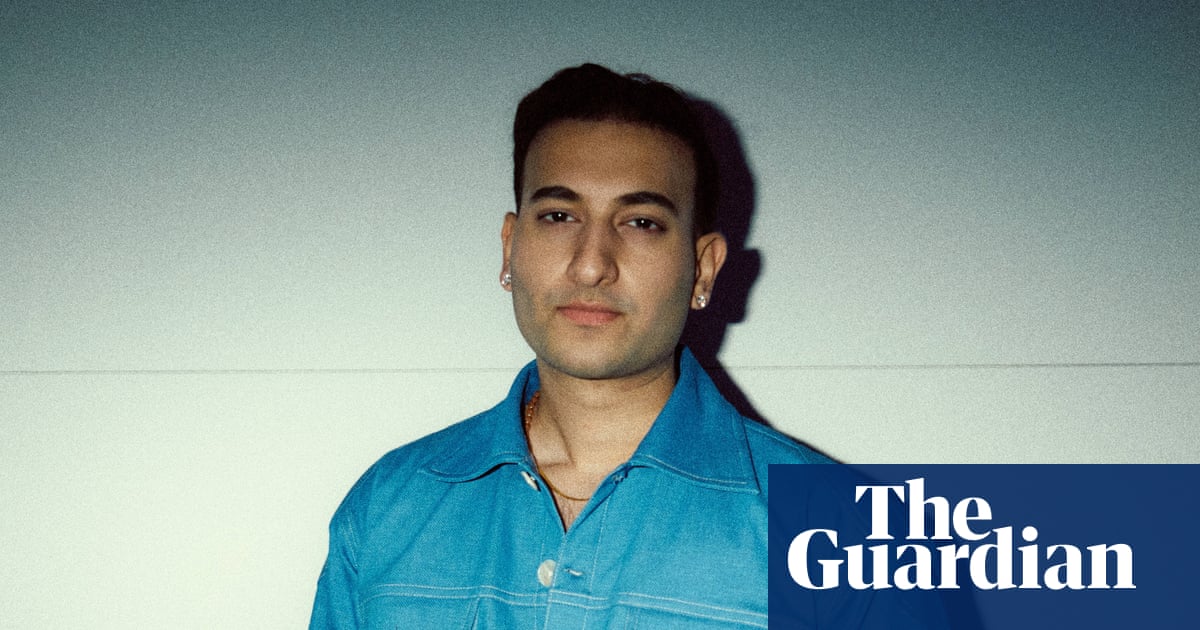
Rishab Sharma isn’t just a sitar player; he’s a torchbearer for a musical lineage stretching back generations. Growing up immersed in the craft of sitar making in Delhi, his family’s history is interwoven with the instrument’s most iconic figures. Sharma’s story is one of rapid ascension, guided by a master and fueled by a desire to share the sitar’s power with the world.
A Lineage of Craftsmanship and Musical Connection
Sharma’s grandfather once sold sitars to the Beatles during their famed 1960s visit to India,establishing a unique family connection to the instrument’s global rise.His father continued this legacy, crafting sitars for the legendary Ravi Shankar.This familial dedication paved the way for Sharma’s own remarkable journey.
Initially drawn to the guitar, a pivotal moment arrived at age 11 when his father allowed him to explore a family-made sitar. It felt remarkably natural, he recalls, instantly understanding the nuances of the sargam scale. A video of a small performance soon caught the attention of a true icon.
Mentorship Under a Sitar Pioneer
Ravi Shankar, already 89 years old, recognized Sharma’s potential and promptly took him on as a student. Sharma describes the prospect as “like God offering to teach you.” For two intense years, he dedicated six hours daily to rigorous practise under Shankar’s guidance.
Shankar was known for his demanding approach, yet balanced it with warmth and humor. sharma fondly remembers his guru’s playful side, often punctuated by unexpected jokes. He paints a picture of Shankar as ”India’s only rock star,” a figure who effortlessly blended tradition with innovation.
Carrying the Torch: Innovation and Tradition
Following Shankar’s passing in 2012, Sharma continued his training with senior disciples, solidifying his foundation. Today,he approaches his music with a constant internal dialog,asking himself what his guru would think and what would resonate with his younger self. This thoughtful approach allows him to explore new sonic territories while remaining deeply rooted in tradition.
Sharma isn’t afraid to challenge conventions. He embraces genre-bending and utilizes the sitar in innovative ways, especially in the realm of mental health. He understands that pushing boundaries is essential to keeping the instrument relevant and accessible.
The Healing power of music: Raga Chikitsa and Beyond
Sharma’s exploration extends beyond performance. He’s deeply researching Raga Chikitsa, an ancient Ayurvedic practice that believes musical vibrations can influence mood and wellbeing. This research forms the core of his upcoming debut album, a project designed to harness the sitar’s therapeutic potential.
Furthermore, Sharma is committed to making the sitar more accessible. He’s developing a line of affordable instruments,aiming to price them comparably to guitars. His goal is simple: to empower more young peopel to experience the transformative power of the sitar.
Experience the Music Live
You can experience Rishab Sharma’s captivating performances and explore the healing power of the sitar on his current tour:
* Royal Festival Hall, London – October 1st
* Symphony Hall, Birmingham – October 9th
* The Lowry, Salford – October 13th
sharma’s work represents more than just musical skill; it’s a dedication to preserving a cultural treasure while together expanding it’s reach and impact. He’s a compelling example of how tradition and innovation can coexist, creating a vibrant future for the sitar and its profound influence on the world.


