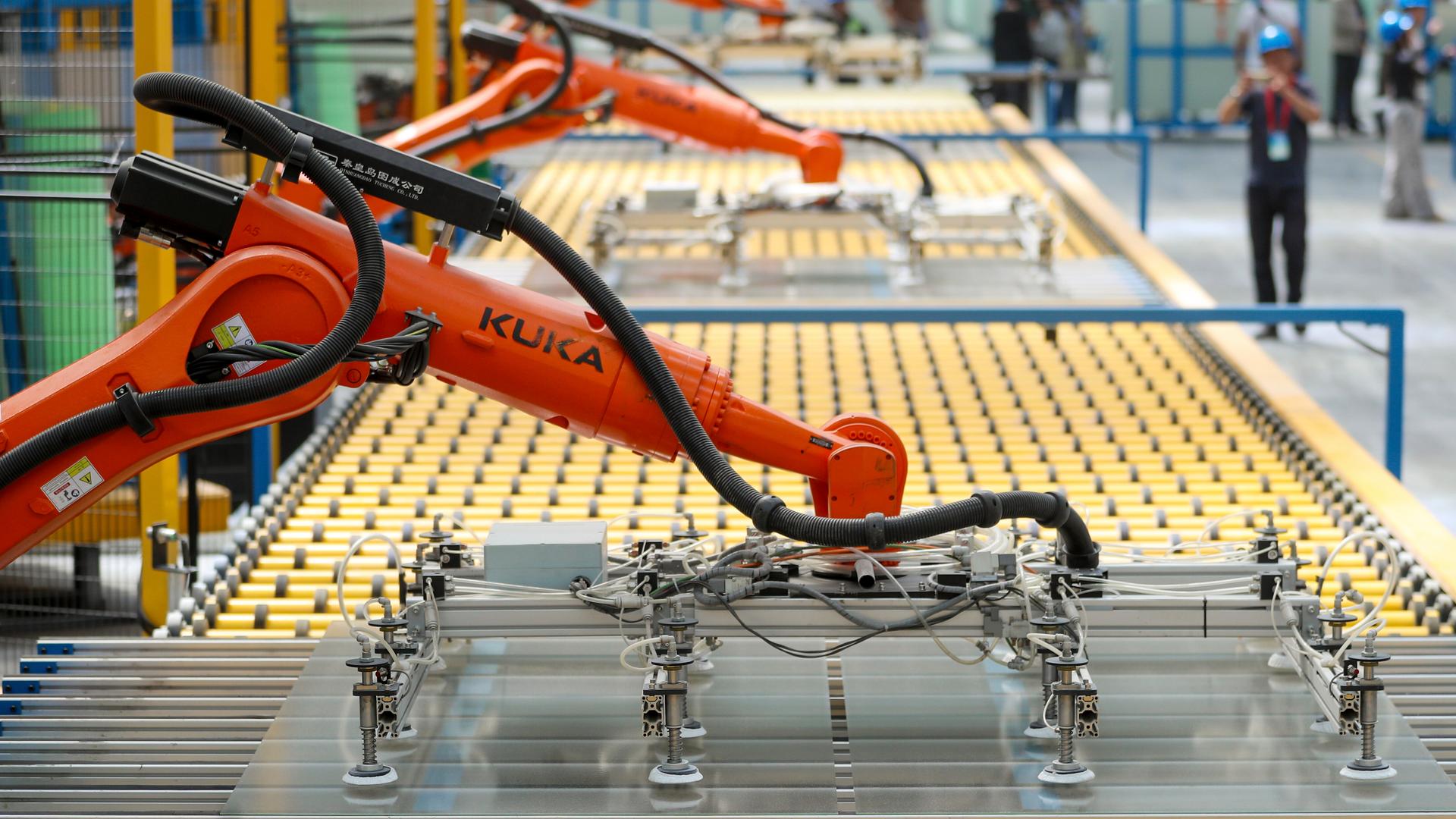
The landscape of global innovation is undergoing a quiet, yet profound, transformation. In recent years, the intersection of industrial policy and intellectual property has become a primary theater for economic competition. New research has highlighted a significant trend: Chinese enterprises have been aggressively acquiring German intellectual property, securing thousands of patents that form the bedrock of Europe’s industrial expertise. This development has sparked a rigorous debate among policymakers, industry analysts and security experts regarding the implications for technological sovereignty and the future of the European manufacturing sector.
According to a detailed analysis by the German Economic Institute (IW), Chinese companies have secured approximately 11,000 German patents since the year 2000. This influx of activity is not merely a statistical curiosity; it represents a strategic pivot by Chinese firms to integrate themselves into the German innovation ecosystem. As these companies navigate the complexities of international trade, the acquisition of patents serves as a bridge, allowing them to bypass lengthy research and development cycles while establishing a firm foothold in the European market.
For observers of global affairs, this trend underscores a broader shift in the geopolitical balance of power. Germany, long considered the engine of European industry, is now managing the dual challenge of maintaining its competitive edge while navigating an increasingly interdependent global supply chain. The question for many is not whether Chinese investment is beneficial—foreign direct investment remains a pillar of the German economy—but rather how to balance this openness with the protection of critical, dual-use technologies that are essential to national and regional security.
The Strategic Value of Intellectual Property
Patents act as the currency of modern industrial competition. By holding the legal rights to specific technical processes, materials, or software architectures, a company can effectively dictate the pace of innovation in a given sector. When foreign entities amass large portfolios of domestic patents, the domestic industrial base faces a dual pressure: the risk of losing market share and the potential for a “brain drain” of technical knowledge.
The IW study suggests that these acquisitions are often concentrated in sectors where Germany has traditionally held a global lead, such as automotive engineering, mechanical engineering, and specialized electrical components. The German Federal Ministry for Economic Affairs and Climate Action has previously noted that protecting key technologies is a top priority, particularly as the European Union strengthens its Foreign Direct Investment (FDI) screening mechanisms. These mechanisms are designed to prevent the acquisition of critical infrastructure or high-tech assets by non-EU entities that might pose a risk to public order or security.
However, the challenge lies in the distinction between standard commercial activity and strategic technological acquisition. In many instances, the purchase of a patent is a legitimate business transaction that facilitates cross-border collaboration. Yet, the sheer volume of these acquisitions—reaching into the thousands—has prompted calls for greater transparency and more rigorous scrutiny of how intellectual property rights are transferred across borders.
Germany’s Regulatory Response
The German government has not remained idle. In response to the evolving nature of global competition, Berlin has updated its foreign investment laws to provide the state with greater oversight regarding acquisitions by entities from outside the European Economic Area. These updates, often integrated into the Foreign Trade and Payments Ordinance (AWV), allow the government to review transactions that could threaten the security of critical technologies.
The effectiveness of these regulations is a subject of ongoing discussion. While the government aims to protect sensitive industries, it must also avoid creating a climate that discourages legitimate investment. The balance is delicate. German manufacturers rely on global markets for their own exports, and any shift toward protectionism could trigger retaliatory measures, potentially harming the incredibly companies the policies are intended to shield.
Industry associations, such as the Federation of German Industries (BDI), have frequently emphasized the need for a “level playing field.” This term, common in international trade discourse, refers to the expectation that Chinese companies should operate under the same transparency and regulatory standards in Europe that European companies are expected to follow when operating in China. The current disparity in market access remains a point of contention in EU-China bilateral relations.
Looking Ahead: Innovation and Security
As we look toward the future, the focus will likely shift from simple acquisition numbers to the quality and strategic importance of the patents being transferred. The digitization of the manufacturing sector, often referred to as “Industry 4.0,” means that software, algorithms, and data-handling processes are becoming as critical as physical hardware. Protecting these digital assets will be the next major hurdle for European policymakers.
For the average reader, this may seem like a distant issue of corporate law. However, the outcome of these struggles will eventually manifest in the products we use every day, from the electric vehicles on our roads to the energy-efficient systems in our homes. The capacity for European firms to continue innovating will depend on their ability to retain the fruits of their research while remaining active participants in the global economy.
Key Takeaways for Stakeholders
- Market Trends: The volume of Chinese acquisitions of German patents has grown significantly since 2000, reflecting a deeper integration of Chinese firms into the German industrial sector.
- Regulatory Oversight: Germany has strengthened its FDI screening processes to protect sensitive technologies, though the challenge remains to balance security with an open investment climate.
- Strategic Competition: The debate is increasingly focused on “dual-use” technologies—innovations that have both civilian and military applications—which remain a high priority for national security agencies.
- Global Context: This phenomenon is part of a larger, global realignment of economic power that is testing the resilience of existing international trade frameworks.
The next major checkpoint for this issue will be the publication of upcoming reports from the European Commission regarding the effectiveness of the EU-China Comprehensive Agreement on Investment, which remains a focal point for ongoing diplomatic engagement. As these discussions continue, the data provided by independent research institutes will be crucial for informing policy decisions that affect the future of the global industrial landscape. We will continue to monitor these developments closely as the regulatory environment in Berlin and Brussels evolves to meet the challenges of the 21st-century global economy. We welcome your thoughts on how technological sovereignty should be managed in an interconnected world—please join the conversation in the comments section below.
Worth a look