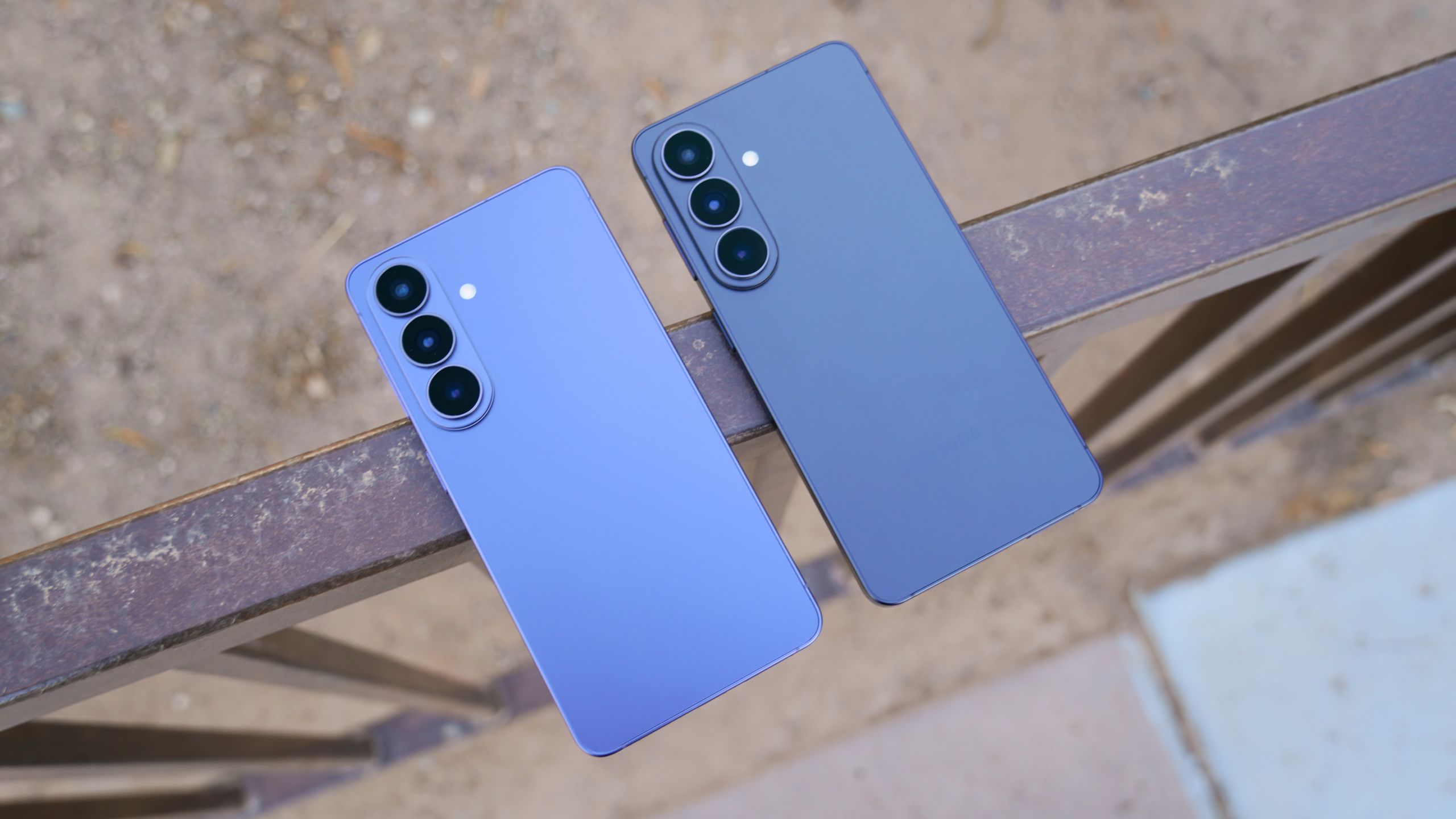
Samsung may limit hardware upgrades for its 2027 Galaxy S27 series to manage increasing component costs, according to industry rumors. Rising prices for advanced semiconductors and specialized AI hardware could force the company to prioritize price stability over significant generational leaps in specifications.
The rumors suggest that the manufacturer is facing a difficult balancing act between maintaining its premium market position and absorbing the escalating costs of next-generation silicon. As the industry moves toward more complex 2nm and potentially sub-2nm manufacturing processes, the price of the underlying hardware is expected to rise significantly. For Samsung, this could mean a more incremental approach to the Galaxy S27 series, focusing on software optimization and AI efficiency rather than massive hardware overhauls.
Why are component costs rising for Samsung’s upcoming flagship?
The primary driver behind these potential hardware limitations is the skyrocketing cost of semiconductor manufacturing. As mobile processors move toward even smaller process nodes, the complexity and cost of production increase non-linearly. Industry analysts have noted that the transition to advanced nodes, such as those being developed by TSMC and Samsung Foundry, requires massive capital investment in extreme ultraviolet (EUV) lithography equipment.
Furthermore, the integration of advanced Artificial Intelligence (AI) capabilities is placing new demands on hardware architecture. Modern smartphones now require high-performance Neural Processing Units (NPUs) and increased amounts of high-speed RAM to handle on-device large language models (LLMs). These components are more expensive to produce and consume more space on the silicon die, which directly impacts the final bill of materials (BOM) for a device like the Galaxy S27.
The cost of Qualcomm’s Snapdragon chipsets, which frequently power the Galaxy S series, has also been a point of discussion among industry observers. As Qualcomm integrates more sophisticated AI-ready architecture into its flagship chips, the licensing and manufacturing costs are passed down to manufacturers like Samsung. If Samsung cannot pass these costs entirely to the consumer through higher retail prices, they may be forced to find savings elsewhere in the device’s hardware stack.
What hardware upgrades could be limited in the Galaxy S27?
If the rumors regarding cost-cutting measures prove accurate, several key areas of the Galaxy S27 could see more conservative updates. While no official specifications have been released by Samsung, industry trends suggest three main areas of potential impact:
- Processor Scaling: Instead of a complete architectural overhaul, Samsung might rely on more incremental “refresh” versions of existing chipsets to manage costs.
- Camera Sensor Sophistication: While Samsung is known for high-resolution sensors, the cost of implementing larger physical sensors or more complex periscope zoom lenses could lead to more standardized hardware across the S27 lineup.
- Display Technology: While LTPO (Low-Temperature Polycrystalline Oxide) technology is becoming standard, the move to even more energy-efficient or brighter panel technologies may be paced more slowly to avoid extreme price hikes.
This approach would mirror a broader trend seen in the smartphone industry, where manufacturers move away from “revolutionary” yearly changes in favor of “evolutionary” updates that prioritize reliability and software-driven improvements. By focusing on software, Samsung can provide a premium experience through One UI updates and Galaxy AI enhancements without the immediate need for expensive new physical components.
| Component Category | Economic Driver | Potential Strategy |
|---|---|---|
| Processors (SoC) | Advanced 2nm node costs | Incremental performance gains |
| AI/NPU Hardware | Increased silicon area for AI | Software-led AI optimization |
| Camera Systems | High-resolution sensor pricing | Standardized high-end sensors |
| Memory (RAM) | High-speed LPDDR5X/6 costs | Optimized memory management |
How does this strategy affect Samsung’s position against competitors?
Samsung’s strategy regarding the Galaxy S27 will likely be viewed in comparison to Apple’s approach to the iPhone. Apple tends to maintain tight control over its entire hardware stack through its proprietary silicon, which allows for high levels of efficiency and potentially better margin management. Samsung, conversely, operates in a more fragmented ecosystem where it must negotiate with third-party providers like Qualcomm and various sensor manufacturers.
If Samsung chooses to keep the Galaxy S27 “mild” to maintain price competitiveness, it could face a two-pronged challenge. On one side, premium brands like Apple may continue to push the boundaries of hardware integration. On the other side, Chinese manufacturers such as Xiaomi and Vivo often introduce high-spec hardware at more aggressive price points. Samsung’s ability to maintain its “premium” brand identity while delivering incremental hardware updates will depend heavily on how much value they can add through the Galaxy AI ecosystem.
The success of this “mild” approach rests on consumer perception. If users feel that the software experience—driven by AI and seamless integration—is significantly better, they may overlook the lack of major hardware changes. However, if the hardware gap between generations becomes too wide, Samsung risks losing market share among tech enthusiasts who prioritize raw specifications.
Key Takeaways for Consumers
- Price Stability vs. Specs: Samsung may prioritize keeping the Galaxy S27 at a reachable price point rather than offering massive hardware leaps.
- AI is the Priority: Expect more investment in software-based AI features rather than expensive new physical sensors or processors.
- Incremental Cycles: The 2027 flagship may focus on refining existing technologies (like LTPO displays and high-res cameras) rather than introducing entirely new categories.
As of now, Samsung has not issued any official statements regarding the development or cost structure of the Galaxy S27 series. The company typically provides more concrete information regarding its flagship roadmap during its annual Galaxy Unpacked events. Given the current release cycles, more definitive information regarding the S27 is not expected until late 2026 or early 2027.

What do you think? Would you prefer a smartphone with cutting-edge hardware at a higher price, or a more affordable device with incremental upgrades? Let us know in the comments below and share this article with your tech network.
Keep reading